Why Culinary Travel is the New Frontier
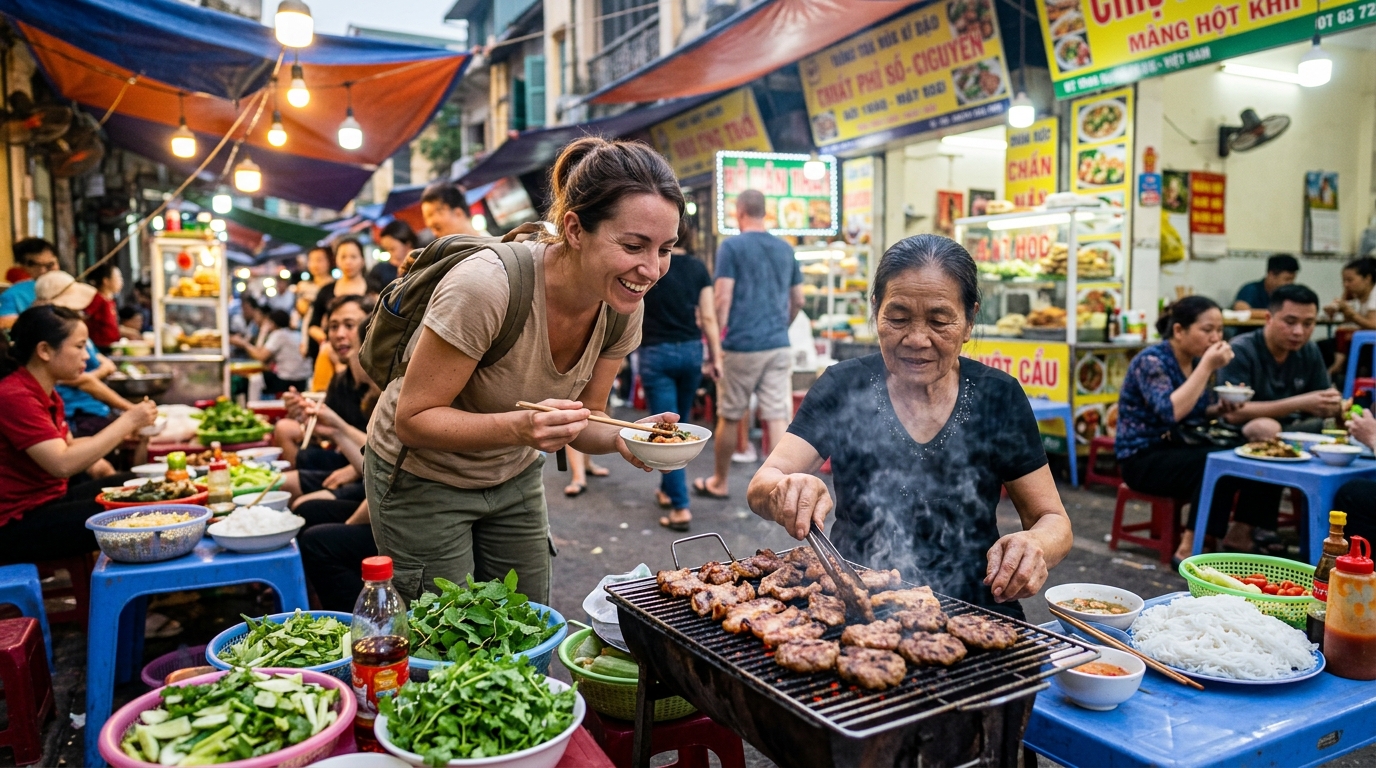
In recent years, culinary travel has gained momentum as more adventurers seek deeper, multisensory experiences. Unlike typical itineraries that revolve around landmarks and photo ops, food tourism invites you to explore a destination’s essence through its ingredients, cooking techniques, and serving customs. Each region’s cuisine is shaped by its geography, climate, and historical exchange, so a single dish can reveal centuries of story. Dining at a family-run trattoria in Tuscany might teach you about olive oil production and communal eating customs, while sampling fermented kimchi in South Korea offers insight into preservation methods and seasonal rituals. Food not only fills our stomachs but also nourishes our understanding of place and people. Embracing culinary travel means turning each meal into a memory that connects you with cultures worldwide.
Planning Your Food-Focused Journey
To maximize your culinary adventure, start with thorough preparation. Identify the iconic dishes of your destination and the best times to enjoy them. Consult travel forums, food blogs, and cookbooks to compile a list of must-try specialties. Consider booking slots at high-demand restaurants in advance, especially for popular cooking classes or tasting menus.
- Research Local Specialties: Gather information on signature dishes and street food favorites.
- Time Your Visit Align your trip with food festivals, harvest seasons, or market days.
- Balance Your Itinerary Mix guided food tours with independent discoveries at markets and eateries.
Allow flexibility in your schedule to wander off the beaten path. Often, the most memorable dining experiences happen in unplanned moments, like stumbling upon a busy night market or a roadside stall recommended by a local taxi driver.
Top Culinary Destinations Around the World
Southeast Asia: Vibrant Street Eats
Thailand, Vietnam, and Malaysia stand out for their bustling street food cultures. Early morning markets serve aromatic noodle soups, while evening hawker centers tempt you with grilled skewers and spicy salads. Don’t miss Thai coconut curries, Vietnamese pho, or Malaysian laksa.
Europe: Heritage and Innovation
From Italy’s family-run trattorias to Spain’s avant-garde tapas bars, Europe offers a range of dining experiences. Sample fresh pasta in Rome, pintxos in Bilbao, and pastries in Vienna, complementing your meal with regional wines and cheeses steeped in centuries-old traditions.
Latin America: Fusion and Freshness
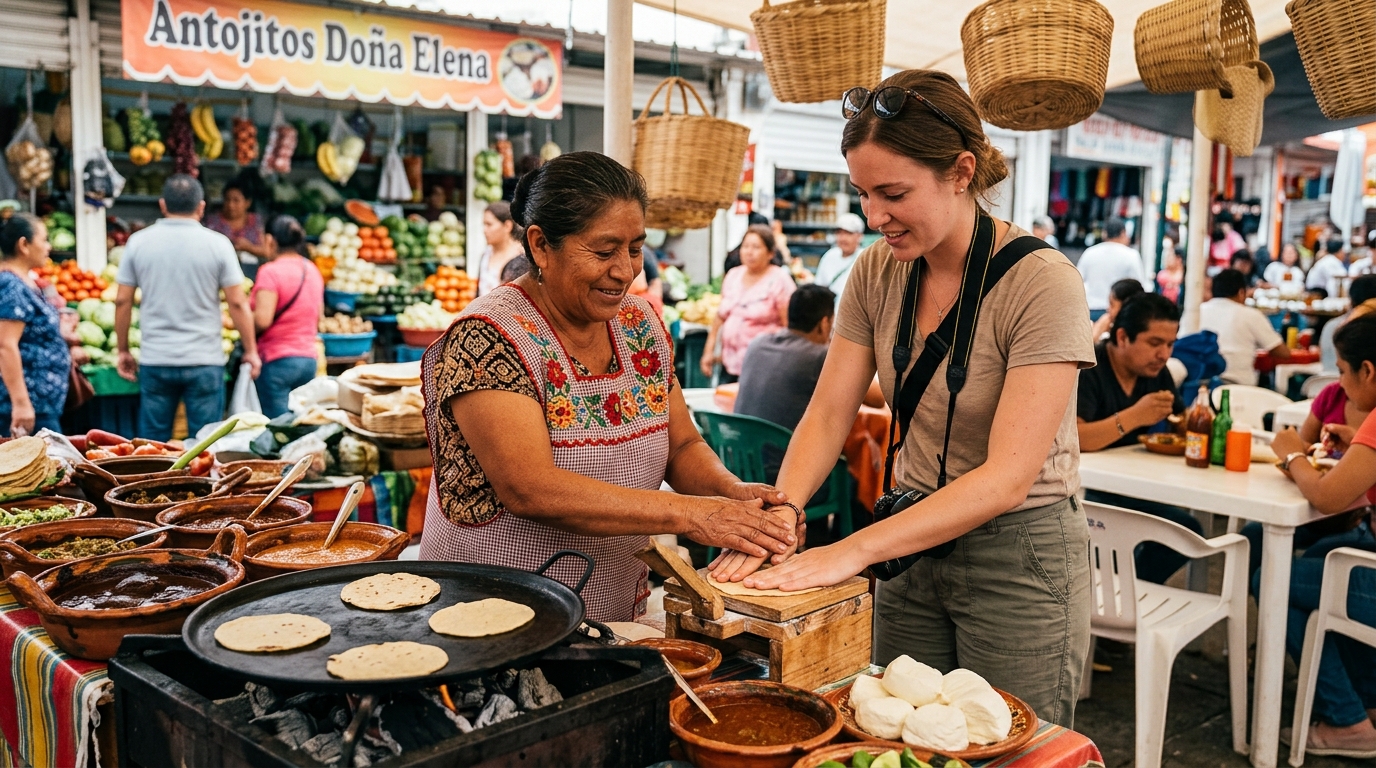
In Mexico, vibrant markets overflow with chiles, tortillas, and handmade salsas. Peru’s culinary capital, Lima, blends indigenous ingredients with modern techniques, while Argentina’s parrillas celebrate premium cuts of beef grilled over wood fires. Sustainability initiatives are reshaping farm-to-table practices across the region.
Eating Like a Local
Immersing yourself in local dining customs enhances both flavor and connection. Learn basic food-related phrases, observe meal times, and follow the locals to their favorite spots. In many cultures, meals are shared communally—embrace the communal table to foster conversation and cultural exchange. Always show respect for food traditions, whether that means eating with your hands, trying unfamiliar textures, or declining politely when a dish isn’t to your taste.
Food Tours vs. DIY Culinary Adventures
Organized food tours provide insider access to hidden gems, expert narration, and a curated sampling of flavors. They’re ideal for newcomers who want structure and local knowledge. Conversely, self-guided exploration grants flexibility and a deeper sense of discovery. Use guided tours to kickstart your trip, pick up insider tips, then venture solo armed with confidence. Balance both approaches to get the best of structure and spontaneity.
Managing Dietary Restrictions on the Road
Traveling with food allergies or dietary preferences requires extra planning. Research your destination’s accommodations for vegan, vegetarian, gluten-free, or allergy-friendly diets. Carry translated allergy cards to communicate restrictions clearly. Apps and local guides can pinpoint suitable restaurants. In many cities, you’ll find menus explicitly labeling dietary options. Don’t hesitate to ask chefs about ingredients—they often enjoy sharing their craft and accommodating special requests.
Budget-Friendly Tips for Foodies
Eating well doesn’t have to break the bank. Prioritize street food stalls, market hawkers, and casual neighborhood eateries over upscale restaurants. Share dishes to taste a wider variety without overspending. Seek out lunch deals, prix fixe menus, and happy-hour specials. For splurge-worthy dining, allocate one or two nights for upscale meals and balance the rest with budget-conscious but delicious finds. Keeping a flexible mindset allows you to adapt and seize impromptu culinary opportunities without worrying about costs.
Capturing Culinary Memories
Documenting your gastronomic adventures deepens the travel experience. Photograph dishes with natural lighting, jot down flavor notes, and record the names and addresses of standout spots. Consider keeping a digital or physical food diary, complete with sketches or tickets from restaurants. Later, your collection of stories, recipes, and photos will not only preserve memories but also inspire future trips and meals at home. Sharing your journey on social media or a personal blog can connect you with fellow food enthusiasts worldwide.
Culinary Travel and Cultural Connection
Culinary travel creates deeper cultural understanding by connecting travelers directly with local traditions, family recipes, and community dining customs. Every dish reflects history, geography, and identity, allowing travelers to experience destinations beyond tourist attractions. Sharing meals with locals often leads to meaningful conversations and authentic experiences. Food acts as a universal language that bridges cultural gaps and creates lasting emotional memories. Travelers who engage with local cuisine gain richer perspectives on traditions, lifestyles, and social values. This immersive style of exploration transforms ordinary vacations into educational and emotionally rewarding journeys centered around human connection and shared experiences.
Exploring Local Markets and Food Streets
Local food markets and street food hubs offer some of the most authentic culinary experiences available. These vibrant places reveal how locals shop, cook, and eat daily. Fresh produce, regional spices, handmade snacks, and sizzling street dishes provide insight into a destination’s food culture. Travelers can interact directly with vendors, learn cooking traditions, and sample flavors unavailable in restaurants. Night markets, fish markets, and seasonal bazaars also showcase local ingredients and cultural rituals. Exploring these spaces allows travelers to discover affordable, delicious meals while experiencing the energy and rhythm of everyday life in a destination.
Culinary Classes and Cooking Experiences
Taking cooking classes during travel allows visitors to bring a destination’s flavors home with them. Many culinary schools, local chefs, and family-run kitchens offer hands-on experiences teaching traditional recipes and cooking methods. Travelers learn ingredient selection, preparation techniques, and cultural significance behind meals. Cooking classes also encourage interaction with locals in a relaxed environment, making the experience more personal and memorable. From pasta-making in Italy to sushi workshops in Japan, these activities deepen appreciation for regional cuisine. Culinary education transforms travelers from passive diners into active participants in the cultural experience.
Sustainable and Ethical Food Tourism
Sustainable culinary travel focuses on supporting local farmers, small businesses, and environmentally responsible dining practices. Travelers increasingly seek farm-to-table restaurants, organic markets, and ethical seafood experiences that reduce environmental impact. Supporting local food systems strengthens regional economies and preserves traditional cooking practices. Responsible food tourism also encourages respect for seasonal ingredients and reduces food waste. Choosing locally sourced meals over mass-produced tourist dining helps maintain culinary authenticity while benefiting communities directly. Sustainable dining experiences create meaningful travel memories while promoting environmental awareness and cultural preservation across global destinations.
Luxury Culinary Experiences Around the World
Luxury culinary travel combines fine dining with cultural immersion and exceptional hospitality. Travelers can enjoy Michelin-starred restaurants, private vineyard tastings, chef-led experiences, and gourmet food tours in world-famous destinations. These experiences often highlight rare ingredients, innovative presentation, and elevated storytelling through cuisine. Luxury food travel is not only about expensive meals but also about exclusivity, craftsmanship, and unforgettable sensory experiences. Whether dining in a cliffside restaurant overlooking the sea or attending a private cooking demonstration, high-end culinary adventures provide travelers with personalized and immersive gastronomic memories.
Using Technology to Plan Culinary Adventures
Modern technology has made culinary travel easier and more accessible than ever. Food apps, restaurant reviews, digital maps, and social media platforms help travelers discover hidden gems and trending dishes worldwide. Translation tools assist with reading menus and communicating dietary needs. Travelers can also book cooking classes, food tours, and reservations online before arriving at their destination. Online food communities and travel blogs provide authentic recommendations from experienced travelers and locals. Technology enhances convenience while helping food lovers plan smarter, discover unique experiences, and navigate unfamiliar culinary landscapes confidently.
FAQs
1. What is culinary travel?
Culinary travel is a style of tourism focused on exploring destinations through food, local cuisine, cooking traditions, and dining experiences. Travelers connect with cultures by tasting regional dishes, visiting markets, and learning local food customs.
2. Why is culinary travel becoming popular?
People increasingly seek authentic and immersive travel experiences. Culinary travel allows visitors to understand local culture, traditions, and history through food while creating memorable sensory experiences beyond traditional sightseeing.
3. What are the best destinations for culinary travel?
Popular culinary destinations include Italy, Japan, Thailand, Mexico, France, Peru, South Korea, and Spain. These countries are known for rich food cultures, traditional cooking techniques, and diverse regional specialties.
4. How can travelers eat like locals?
Travelers can eat like locals by visiting neighborhood eateries, exploring food markets, learning dining customs, and trying traditional dishes recommended by residents instead of relying only on tourist restaurants.
5. Are food tours worth it for culinary travelers?
Yes, food tours provide expert local guidance, access to hidden spots, cultural insights, and opportunities to sample authentic dishes. They are especially helpful for first-time visitors exploring unfamiliar food scenes.
6. How can travelers manage dietary restrictions abroad?
Researching restaurants beforehand, carrying translated allergy cards, and using food apps can help travelers communicate dietary needs clearly and safely while exploring international cuisines.
7. Is culinary travel expensive?
Not necessarily. Travelers can enjoy affordable street food, local markets, and casual eateries while balancing occasional fine dining experiences. Culinary travel can fit both luxury and budget-friendly travel styles.
8. What should travelers pack for culinary trips?
Travelers should bring comfortable clothing, reusable utensils or bottles, a travel journal, portable chargers, and any necessary dietary or allergy information for easier communication abroad.
9. How do cooking classes improve culinary travel experiences?
Cooking classes provide hands-on cultural experiences where travelers learn traditional recipes, cooking methods, and ingredient selection while interacting directly with local chefs and communities.
10. How can travelers document culinary experiences?
Travelers can photograph meals, keep food journals, save restaurant details, record recipes, and share experiences through blogs or social media to preserve memories and inspire future adventures.
Conclusion
Culinary travel invites you to engage all senses, forge genuine connections, and appreciate the cultural tapestry woven through food. By planning thoroughly, embracing local customs, and balancing guided experiences with independent discovery, you’ll transform every meal into a memorable part of your journey. So whether you’re chasing the world’s best street tacos or indulging in gourmet dining, let your palate guide you—and embark on an epicurean adventure that resonates long after you’ve returned home.
Start your journey with our Guide to Wellness Travel.