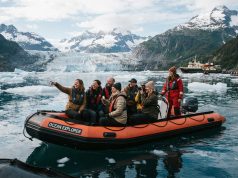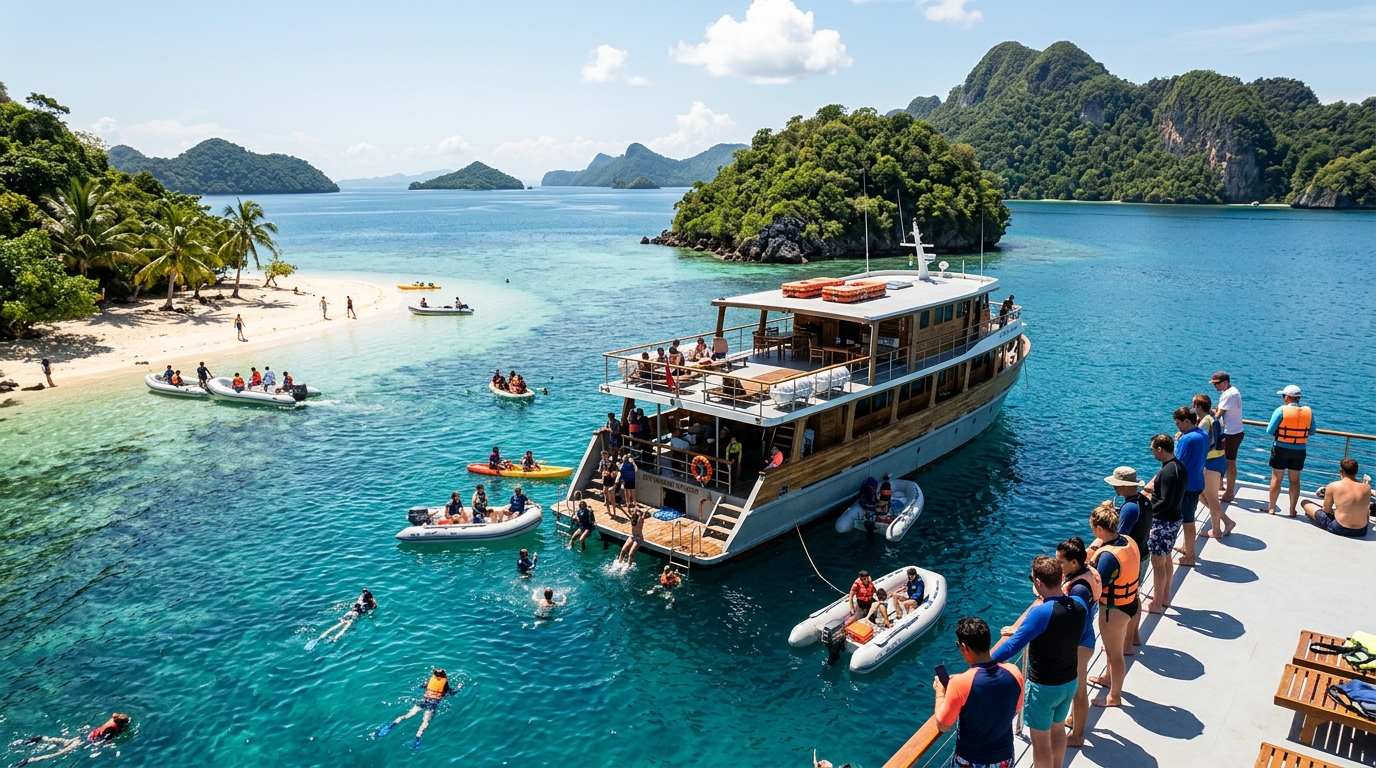
Affordable island hopping adventure cruise packages let travelers explore multiple destinations in a single trip, combining accommodation, meals, and guided excursions into one budget-friendly cost. With options across the Caribbean, Southeast Asia, Greece, and the Pacific, these packages are one of the most cost-effective ways to experience the world’s best island destinations.
Picture-perfect beaches, crystal-clear waters, and a new island every morning—this is the promise of an island hopping adventure cruise. For many travelers, this kind of trip sounds like a luxury reserved for the wealthy. But that assumption is outdated. The cruise industry has evolved dramatically over the past decade, and today dozens of affordable packages bring multi-island experiences within reach for budget-conscious travelers.
This post breaks down everything you need to know: what these packages include, which destinations offer the best value, how to plan your trip effectively, and why island hopping cruises are unlike any other form of travel. Whether you’re a solo traveler on a tight budget or a family looking for an unforgettable vacation, there’s a package out there designed for you.
By the end of this guide, you’ll have a clear picture of how to book an island hopping cruise without overspending—and without missing out on any of the magic.
What Are Island Hopping Adventure Cruise Packages?
At their core, island hopping adventure cruise packages are bundled travel deals that combine sea transportation, onboard accommodations, dining, and guided shore excursions across multiple island destinations. Rather than booking flights between islands separately—which can be expensive and logistically exhausting—travelers board a single vessel that moves between stops on a pre-planned itinerary.
These packages vary enormously in style and scale. Some are large ocean liners carrying thousands of passengers, while others are intimate small-ship expeditions with fewer than 50 people aboard. The “adventure” component typically refers to excursions involving snorkeling, kayaking, hiking, zip-lining, or diving—activities designed to immerse travelers in the natural and cultural environments of each island.
What’s Typically Included in a Cruise Package?
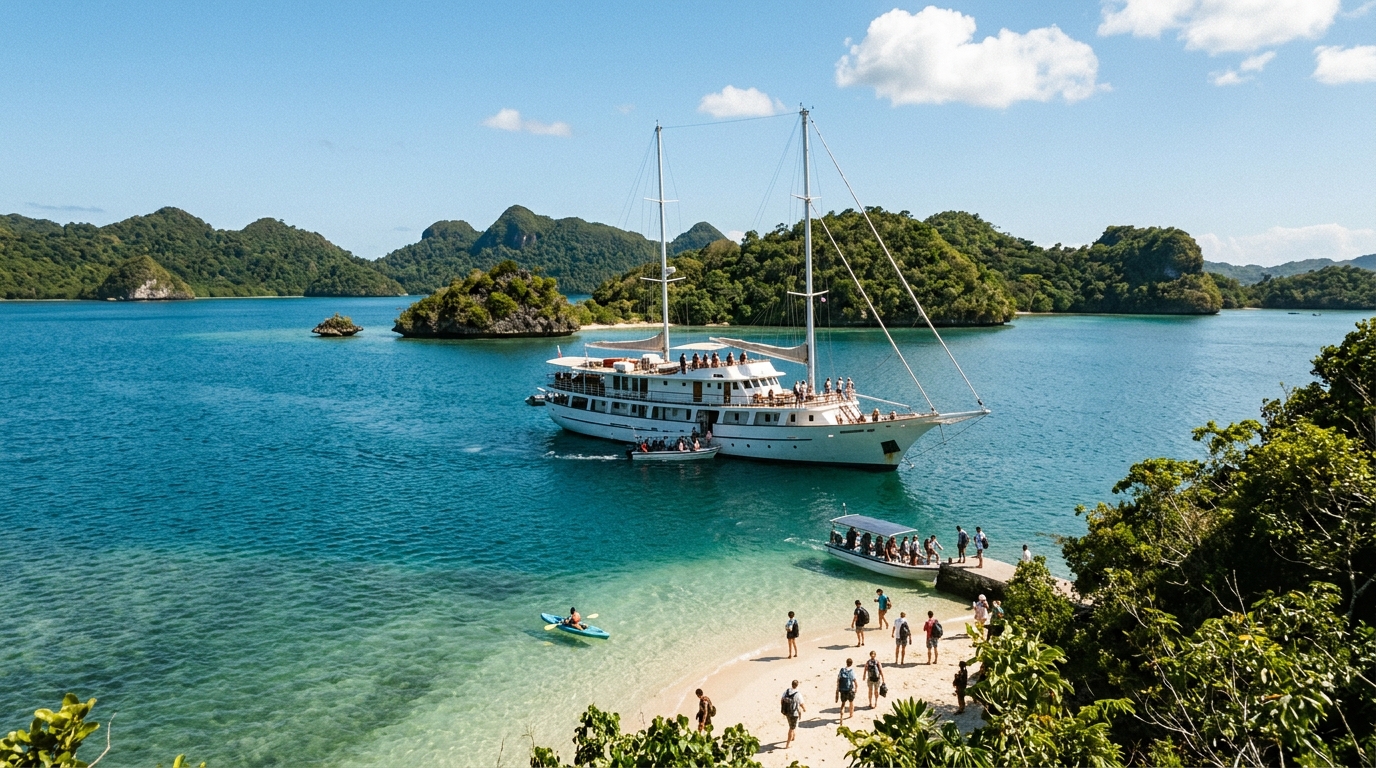 Most standard island hopping cruise packages include:
|
Inclusion |
Details |
|---|---|
|
Onboard accommodation |
Private or shared cabin, varying by tier |
|
Daily meals |
Breakfast, lunch, and dinner included |
|
Port fees and taxes |
Usually bundled into the package price |
|
Guided shore excursions |
Snorkeling, hiking, cultural tours, etc. |
|
Entertainment onboard |
Shows, activities, and evening events |
|
24/7 crew and support |
Safety personnel and hospitality staff |
Premium packages may also include open bars, spa access, specialty dining, and exclusive private beach stops. Budget-tier packages may require guests to pay for some excursions separately, so it’s worth reading the fine print before booking.
Understanding the difference between “all-inclusive” and “cruise-only” packages is critical. All-inclusive packages cover nearly everything, while cruise-only deals require you to budget separately for food, excursions, and additional activities ashore.
How Island Hopping Cruise Packages Work
Booking and navigating an island hopping adventure is straightforward once you understand the mechanics. Here’s a step-by-step breakdown of how the process typically works.
Step 1: Choose Your Route and Duration
Most cruises are structured around a geographic region—the Caribbean, the Greek Isles, Southeast Asian archipelagos, or the South Pacific. Route duration ranges from short three-night weekend getaways to extended voyages lasting 14 days or more.
Short cruises (3–5 nights) are ideal for first-time cruisers or those with limited time off. Longer voyages (10–14 nights) offer a deeper exploration of each destination and often provide better value per day.
Step 2: Select Your Ship Type
Your experience will differ significantly depending on the vessel size:
- Large cruise ships (2,000+ passengers): Best for families and travelers who want resort-style amenities, consistent Wi-Fi, and a wide range of dining options.
- Mid-size ships (500–2,000 passengers): A balance between amenities and a more personal atmosphere.
- Small expedition ships (under 200 passengers): Ideal for genuine island hopping adventure seekers who want access to remote ports, personalized service, and immersive shore experiences.
Step 3: Book in Advance or Hunt for Last-Minute Deals
Cruise pricing follows a predictable pattern. Booking 6–12 months in advance typically secures the best cabin selection and early-bird pricing. However, last-minute deals—typically available 30–60 days before departure—can yield significant discounts, sometimes as much as 50% off listed prices, according to travel deal aggregators like Cruise Critic.
Step 4: Understand Port Days vs. Sea Days
On a typical island hopping cruise, most days are “port days,” meaning the ship docks or anchors near an island and passengers go ashore. Sea days—spent entirely onboard—are less common on shorter itineraries but become more frequent on longer voyages crossing open water.
Port days are where the real island hopping adventure happens. You’ll typically have 6–10 hours ashore to explore on your own or through a booked excursion.
Best Island Hopping Cruise Destinations in the World
The world is full of archipelagos, island chains, and coastal regions perfectly suited to cruise exploration. Some destinations, however, offer a uniquely compelling combination of natural beauty, cultural richness, and affordable island hopping cruise options.
The Caribbean: The Classic Choice
The Caribbean remains the world’s most popular cruise destination, and for good reason. Islands like St. Lucia, Barbados, Antigua, and the U.S. Virgin Islands each offer distinct experiences—from rum distillery tours to rainforest hikes and world-class snorkeling. The region is extremely well-serviced by major cruise lines, which drives prices down through competition.
The Eastern and Western Caribbean circuits are particularly well-suited to budget travelers, with 7-night packages frequently available from major embarkation ports in Miami, Fort Lauderdale, and New Orleans for under $600 per person during off-peak seasons.
Greece and the Mediterranean: Culture Meets Coast
The Greek Islands represent a different kind of island hopping adventure—one rooted as much in history and gastronomy as in beach activities. Santorini, Mykonos, Rhodes, and Crete each carry a distinct identity, from volcanic landscapes to ancient ruins.
Mediterranean cruises tend to skew slightly higher in price than Caribbean options, but shoulder-season sailings (April–May and September–October) bring costs down considerably. Small-ship operators like Variety Cruises and Celestyal Cruises offer packages tailored specifically to the Greek archipelago, often at more competitive rates than large ocean liners.
Southeast Asia: The Rising Star
Southeast Asia has quietly emerged as one of the most exciting regions for island hopping adventure cruises. The Philippines alone comprises over 7,000 islands, and Vietnam, Thailand, and Indonesia each offer layered coastal itineraries that blend beach relaxation with cultural immersion.
Budget cruise operators have recognized the demand for affordable island hopping cruise options in this region, with expedition-style packages through Komodo National Park, Halong Bay, and the Banda Sea growing rapidly in availability and affordability.
The South Pacific: Remote and Rewarding
Fiji, Tahiti, Vanuatu, and the Marquesas Islands attract travelers seeking genuine remoteness. South Pacific island hopping adventure cruises tend to be longer in duration due to the distances involved, but the experience—pristine reefs, untouched beaches, and indigenous cultures—is unlike anywhere else on Earth.
Paul Gauguin Cruises and Ponant specialize in this region and occasionally offer promotional pricing for early or last-minute bookings.
The Galapagos Islands: A Natural Wonder
For travelers with a strong interest in wildlife and ecology, the Galapagos Islands off the coast of Ecuador are in a category of their own. Strict visitor limits mean these cruises are more regulated and typically higher in cost, but affordable island hopping cruise options do exist, particularly through local Ecuadorian operators rather than international luxury lines.
Affordable Island Hopping Cruise Options: How to Keep Costs Down
Cost is the most common barrier for travelers considering a multi-island cruise. The good news is that with the right strategy, island hopping adventure cruises can be made genuinely affordable without sacrificing the quality of experience.
Choose Interior Cabins
Cabin type is the single biggest driver of cruise pricing. Interior cabins—rooms with no window or porthole—are typically 30–50% cheaper than ocean-view or balcony options. Given that most of your time will be spent onshore or in communal ship areas, an interior cabin is a smart trade-off for budget-conscious travelers.
Travel During Shoulder Season
Peak cruise seasons vary by region, but traveling just outside these windows can dramatically reduce costs. In the Caribbean, hurricane season (June–November) sees reduced pricing—though modern ships are designed to navigate around storms. In the Mediterranean, avoiding July and August cuts costs and crowds simultaneously.
Compare Cruise Lines Directly
Rather than booking exclusively through travel agents, comparing packages directly on cruise line websites—alongside aggregators like CruiseDirect, Vacations To Go, and TripAdvisor Cruises—gives you a more complete picture of available deals.
Bundle Flights with Your Cruise
Some cruise lines offer “fly-cruise” packages that bundle airfare with the cruise fare, often at a lower combined rate than booking separately. This is worth investigating, particularly for international embarkation ports.
Opt for Cruise Line Excursions vs. Private Tours
While private tours ashore can be more personalized, they’re often more expensive. Cruise line-organized excursions are group-based, but they’re reliable, safety-vetted, and frequently more affordable—especially when you factor in transportation logistics.
Benefits of Island Hopping Adventure Cruises
Beyond the obvious appeal of seeing multiple destinations in one trip, island hopping adventure cruises offer a set of practical and experiential benefits that other forms of travel simply don’t replicate.
You Unpack Once
The perpetual annoyance of multi-destination travel—repacking bags, navigating airports, waiting for check-ins—disappears on a cruise. You unpack once, and your accommodation moves with you. This alone is a transformative quality-of-life improvement for multi-stop itineraries.
Built-In Logistics
Visas, ferry bookings, inter-island flights, hotel reservations—independently organizing a multi-island trip involves weeks of planning and significant cost. A cruise package consolidates all of this. The operator manages port clearances, docking schedules, and excursion coordination. You simply show up and enjoy the experience.
Cost Transparency
Unlike independent travel, where expenses accumulate unpredictably across accommodation, transport, and meals, a well-structured island hopping adventure cruise package gives you a clear total cost upfront. This makes budgeting far simpler and reduces the risk of overspending.
Social Connection
Cruises naturally foster social interaction. Traveling with a group of like-minded adventure seekers—people who signed up for the same island hopping cruise because they share similar interests—creates a communal atmosphere that independent travel rarely replicates.
Environmental Advantages of Small Ships
Expedition-style small-ship cruises often operate with a smaller environmental footprint than independent travel involving multiple flights. Some operators have committed to low-emission propulsion systems and responsible shore landing practices, particularly in ecologically sensitive destinations like the Galapagos and Antarctica.
How to Plan an Island Hopping Cruise Trip from Scratch
Planning an island hopping adventure requires more thoughtful preparation than booking a single-destination resort stay. Here’s a structured approach to making sure nothing is missed.
Define Your Travel Goals First
Before comparing packages, be clear about what you want from the trip. Are you prioritizing beach relaxation, cultural exploration, or active adventure? Do you want nightlife options onboard, or a quieter, more nature-focused experience? Your answers will determine whether a large resort-style ship or a small expedition vessel is the right fit.
Set a Realistic Total Budget
A common mistake is budgeting only for the cruise fare and underestimating the full cost of the trip. A complete budget should include:
|
Expense |
Estimate |
|---|---|
|
Cruise fare (per person) |
$500–$3,000+ depending on region and duration |
|
Flights to embarkation port |
$200–$1,200 depending on origin |
|
Travel insurance |
$50–$200 |
|
Pre/post-cruise hotel nights |
$80–$200 per night |
|
Additional onboard spending |
$100–$400 (drinks, spa, specialty dining) |
|
Independent shore excursions |
$50–$200 per port |
Research the Itinerary Carefully
Not all island hopping cruise itineraries are created equal. Some spend only a few hours at each port, limiting what you can realistically experience ashore. Look for itineraries that offer at least 8 hours in port at key destinations, and check whether the ship docks directly (allowing easy access to shore) or requires tendering via small boats.
Purchase Travel Insurance
This is non-negotiable. Cruise travel involves significant upfront financial commitment, and disruptions—from medical emergencies to weather events—can occur. Comprehensive travel insurance covering trip cancellation, medical evacuation, and missed port departures is essential.
Pack Smart for Multi-Climate Island Travel
Islands in different regions have different climates. A Southeast Asian island hopping adventure in November will involve tropical humidity, while a Greek Islands cruise in October may require a light jacket in the evenings. Research the climate conditions for each port on your itinerary and pack accordingly, keeping luggage manageable for cabin storage.
Best Time for Island Hopping Cruises by Region
Timing your cruise correctly can make a meaningful difference in both experience and cost. Below is a regional breakdown of optimal travel windows.
|
Region |
Best Time to Cruise |
Notes |
|---|---|---|
|
Caribbean |
December–April |
Dry season, peak pricing; May–June offers value |
|
Greek Islands |
May–June, September |
Avoid July–August for heat and crowds |
|
Southeast Asia |
November–February |
Dry season across most of the region |
|
South Pacific |
May–October |
Southern Hemisphere winter = cooler, drier conditions |
|
Galapagos Islands |
Year-round |
June–December for cooler water and marine wildlife activity |
|
Alaska / Pacific Northwest |
May–September |
Only viable window for glacier and fjord exploration |
Understanding monsoon patterns, hurricane seasons, and local festival calendars before booking ensures you arrive at each destination during the most favorable conditions.
What to Expect Onboard an Adventure Cruise Ship
For first-time cruisers, the onboard experience can feel overwhelming. Here’s what to expect across key areas of ship life.
Dining
Most cruise packages include a main dining room with set mealtimes and a buffet option for flexible eating. Premium ships offer additional specialty restaurants at an extra charge. Dietary requirements—vegan, gluten-free, halal, kosher—are typically accommodated with advance notice.
Activities and Entertainment
Adventure-focused cruises balance active programming with relaxation options. Onboard activities might include marine biology lectures, cultural presentations about upcoming ports, cooking demonstrations featuring regional cuisine, and fitness classes. Evening entertainment ranges from live music and comedy to film screenings and stargazing.
Connectivity
Wi-Fi is available on virtually all modern cruise ships, though connection quality varies significantly at sea. Expect speeds suitable for messaging and light browsing rather than video streaming. Many travelers use sea days as an intentional digital detox.
Health and Safety
Modern cruise ships are equipped with onboard medical facilities staffed by doctors and nurses. Safety drills are mandatory for all passengers and conducted at the start of each voyage. Emergency evacuation procedures are clearly outlined and rehearsed by crew members regularly.
Making the Most of Your Island Hopping Adventure Ashore
The time you spend ashore is the heart of any island hopping adventure cruise. Maximizing these port days takes some preparation and strategy.
Research Each Port Before You Arrive
Use the weeks before your cruise to research each island stop. Identify the top natural attractions, cultural sites, and local markets. Make a prioritized list of what you want to see and eat, and estimate realistic travel times from the port to each location.
Start Early
The first passengers ashore always have the best experience. Crowds build throughout the morning as more travelers disembark. Arriving at a beach or cultural site at 8 AM versus 11 AM makes a dramatic difference in how relaxed and authentic the experience feels.
Eat Local, Not Onboard
One of the genuine pleasures of port days is sampling local food culture. Resist the temptation to return to the ship for lunch. Street food stalls, local restaurants, and market vendors near port areas offer some of the most authentic and affordable dining experiences of any trip.
Keep an Eye on the Clock
Missing your ship’s departure time is a serious and costly mistake. Always know the “all aboard” time, set multiple alarms, and build buffer time into your day’s plan. Cruise ships do not wait for late passengers.
Your Island Hopping Adventure Starts Here
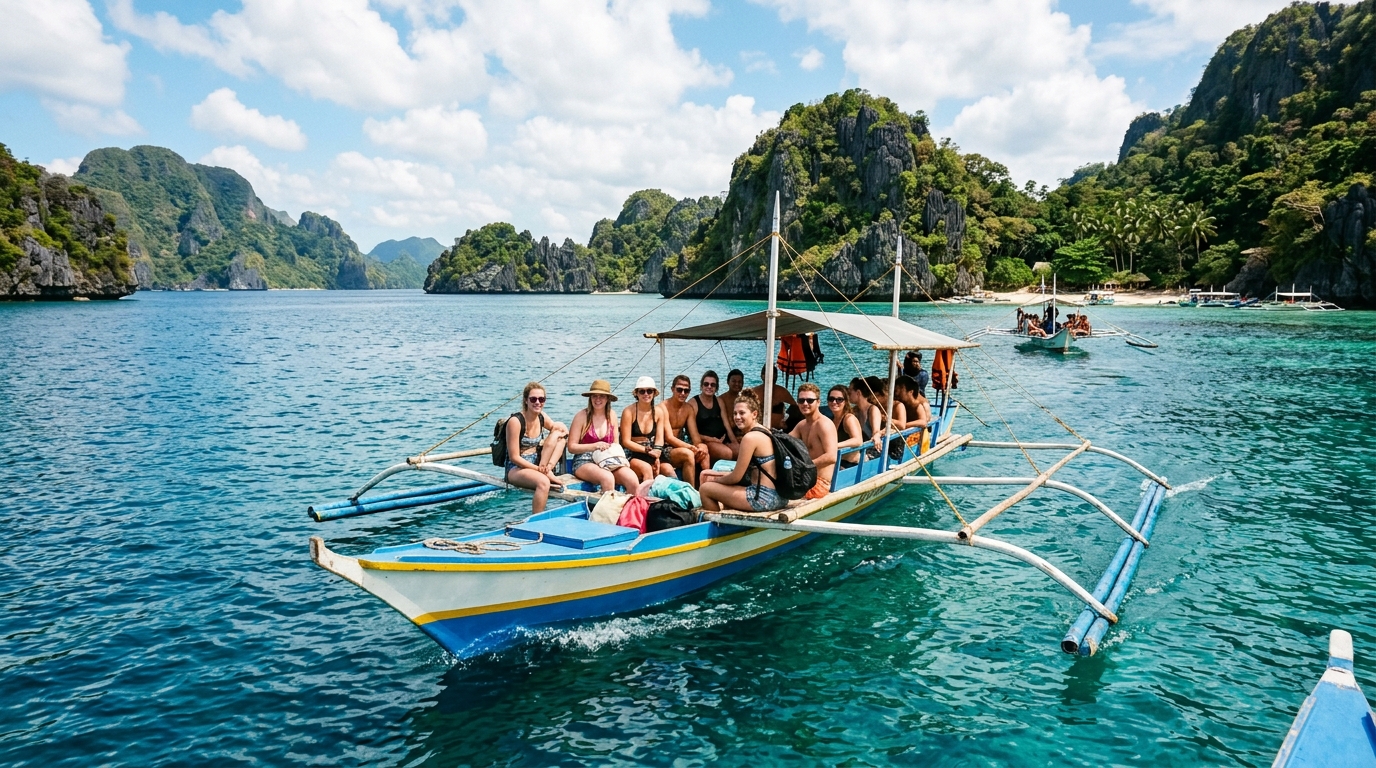
Affordable island hopping adventure cruise packages have made multi-island exploration accessible to a far wider range of travelers than ever before. The combination of transparent pricing, built-in logistics, and immersive shore experiences makes cruising a uniquely efficient and rewarding way to see the world’s most beautiful island destinations.
The key is going in prepared. Know your budget, choose your region based on personal travel goals, book at the right time of year, and invest the time to research your port days properly. Do those things, and an island hopping cruise will deliver memories that outlast any beach resort stay.
Start comparing packages today—your next island adventure is closer (and more affordable) than you think.
Frequently Asked Questions
1. What is an island hopping adventure cruise package?
An island hopping adventure cruise package is a bundled travel deal that includes transportation by sea, onboard accommodation, meals, and guided excursions across multiple island destinations. These packages simplify multi-island travel by consolidating logistics and costs into a single booking.
2. How much does an island hopping cruise typically cost?
Prices vary widely by region, ship type, and season. Budget Caribbean packages start at around $500–$800 per person for a 7-night voyage. Mediterranean and Southeast Asian cruises typically range from $800–$2,500 per person. Expedition cruises to remote regions like the Galapagos can exceed $3,000 per person.
3. What’s the difference between an all-inclusive cruise and a cruise-only package?
An all-inclusive cruise package covers accommodation, meals, beverages, and most onboard activities in the base price. A cruise-only package covers the fare and basic meals but requires separate payment for excursions, specialty dining, and beverages. Always confirm what’s included before booking.
4. Which region offers the most affordable island hopping cruise options?
The Caribbean consistently offers the most competitive pricing due to high supply and strong competition among cruise lines. Southeast Asia and the Greek Islands also offer excellent value, particularly during shoulder seasons.
5. How many islands do you typically visit on an island hopping cruise?
A 7-night cruise typically stops at 4–6 different islands, with one sea day for transit. Shorter 3–4 night cruises may visit 2–3 islands. Longer 14-night voyages can include 8 or more distinct island stops.
6. Is island hopping by cruise better than doing it independently?
For travelers who prioritize convenience, cost predictability, and safety, a cruise package is generally superior to independent island hopping. Independent travel offers more flexibility but requires significantly more planning, time, and often costs more when transport and accommodation are calculated separately.
7. What is the best time of year to book an island hopping cruise?
The best booking time depends on your destination. For the Caribbean, December through April is ideal. For the Greek Islands, May–June and September offer the best balance of weather and pricing. In Southeast Asia, November through February is the driest and most comfortable season across most destinations.
8. Are island hopping cruises suitable for solo travelers?
Yes. Many cruise lines offer solo traveler programs and single-occupancy cabins specifically designed to avoid the traditional double-occupancy pricing surcharge. The communal nature of cruising also makes it one of the most social forms of solo travel.
9. What should I pack for an island hopping adventure cruise?
Core packing essentials include lightweight, breathable clothing, reef-safe sunscreen, a reusable water bottle, snorkeling gear (if not provided by the cruise), a dry bag for shore excursions, and comfortable walking shoes. Always check your specific itinerary’s climate conditions before finalizing your packing list.
10. How do I find last-minute deals on island hopping cruise packages?
Websites like Vacations To Go, CruiseDirect, and the direct booking portals of major cruise lines frequently post last-minute deals 30–60 days before departure. Signing up for email alerts and following cruise deal forums on platforms like Reddit (r/cruise) and Cruise Critic can help you catch discounts as soon as they’re posted.