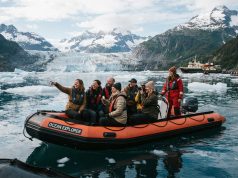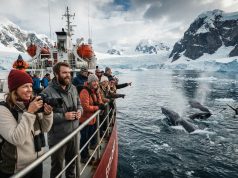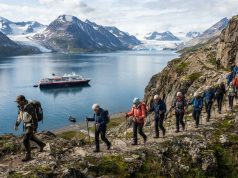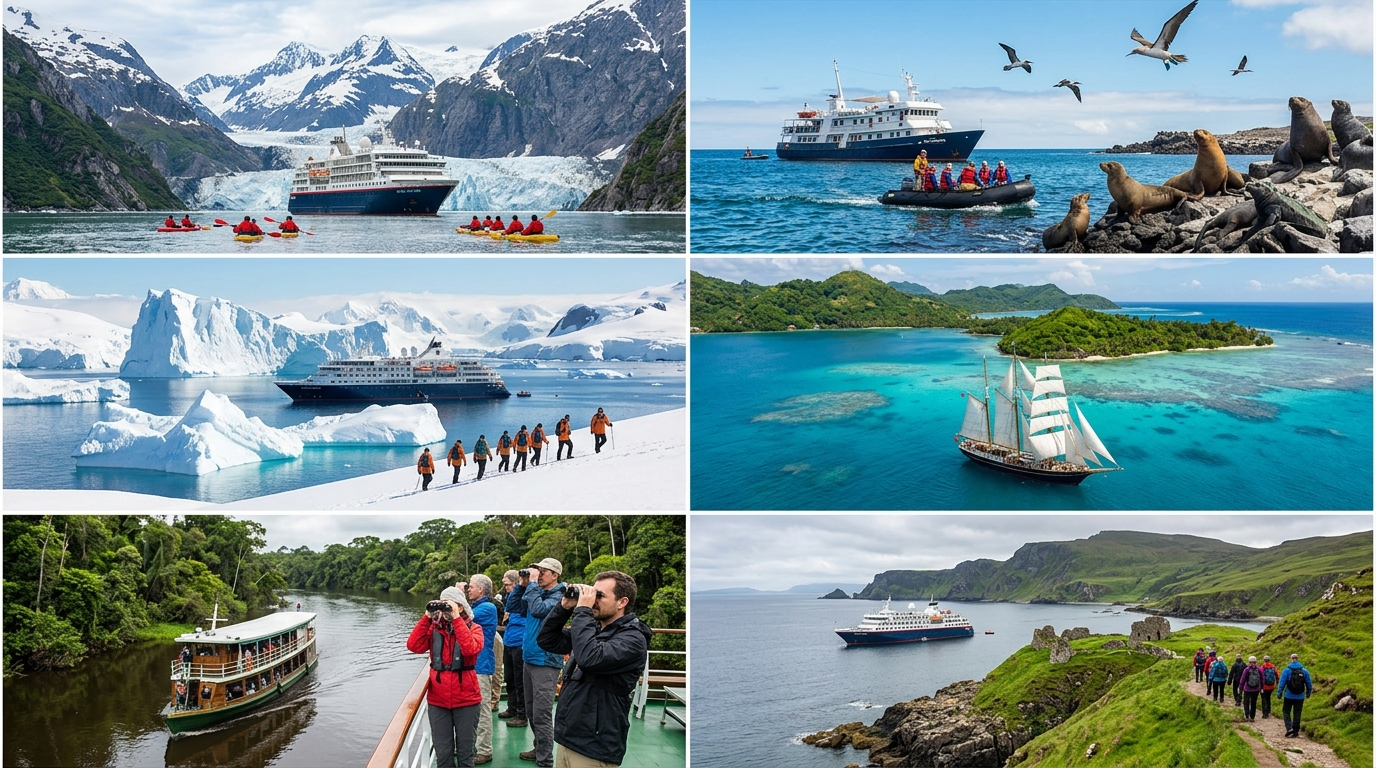
The best time to book adventure cruises depends on your destination, travel season, and budget. Early reservations secure the best cabins and prices, while flexible travelers can find last-minute deals. Smart timing ensures better availability, lower costs, and an unforgettable expedition experience.
The best time to book adventure cruises depends on your destination, budget, and travel style. Most experts recommend booking 6–12 months in advance for peak-season sailings, while last-minute deals (4–8 weeks out) work best for flexible travelers. Timing your booking strategically can save hundreds—sometimes thousands—of dollars.
Few travel experiences match the thrill of watching a humpback whale breach at sunrise, navigating glacier-lined fjords, or snorkeling coral reefs accessible only by sea. Adventure cruises deliver all of this—and more—but only when you book at the right time.
This guide breaks down exactly when to book based on destination, travel style, and budget. You’ll learn how booking timelines differ between luxury expedition sailings and budget-friendly options, when family-focused itineraries fill up fastest, and which months offer the sweetest pricing windows. By the end, you’ll have a clear, actionable plan for securing your ideal sailing.
Whether you’re eyeing the Antarctic Peninsula, the Galápagos Islands, the Norwegian fjords, or Alaska’s Inside Passage, timing is everything. Read on.
Why Booking Timing Matters More on Adventure Cruises
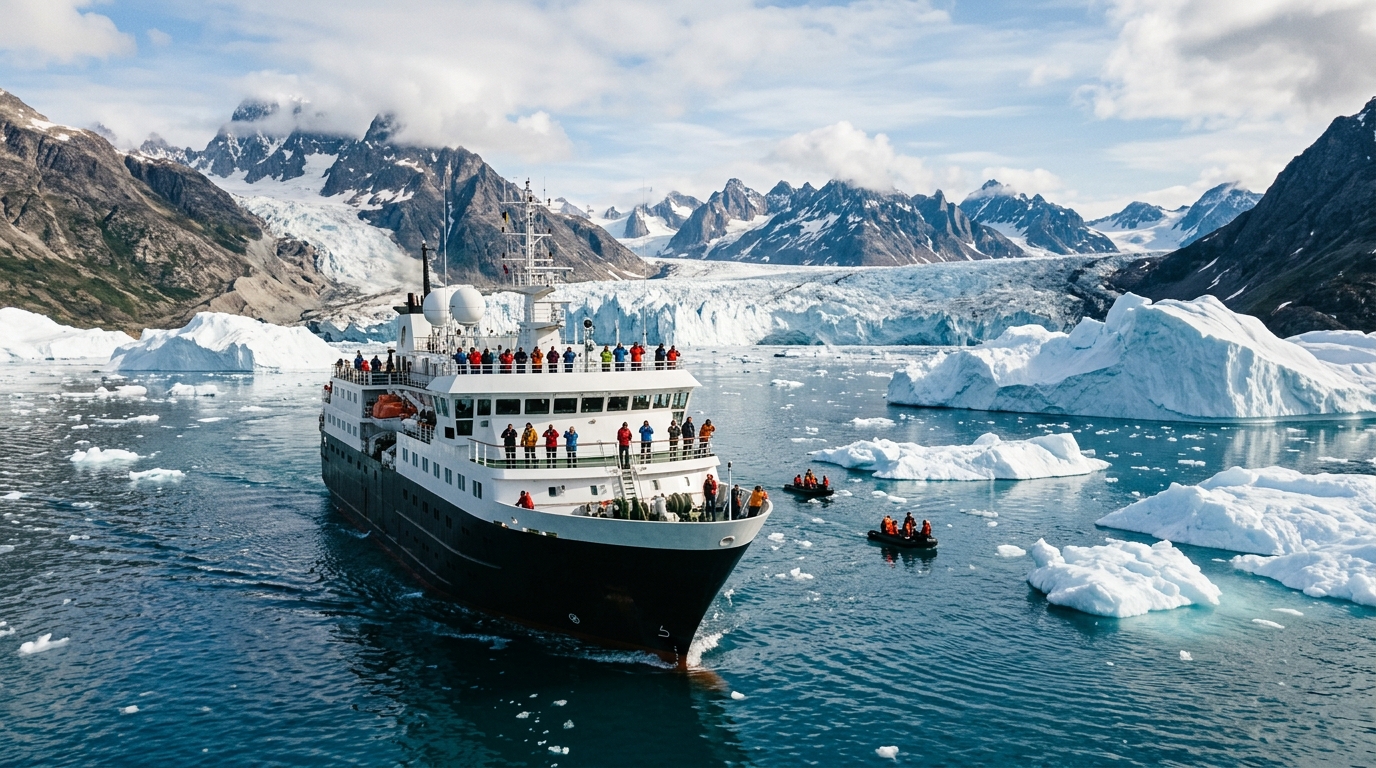
Unlike mainstream Caribbean cruises that run year-round on predictable schedules, adventure cruises operate within tight seasonal windows. An Antarctic expedition, for example, only runs from November to March—the Southern Hemisphere summer. Miss the booking window, and you’re waiting another year.
Expedition ships are also significantly smaller than traditional cruise liners. Most carry between 50 and 200 passengers, which means cabins sell out fast, particularly for sought-after itineraries. When demand outpaces supply, prices climb sharply in the months leading up to departure.
There’s also the matter of permits. Destinations like the Galápagos Islands strictly limit the number of visitors allowed ashore at any given time. Operators must secure permits well in advance, and those permits are tied to specific sailing dates. Once they’re gone, they’re gone.
Understanding these dynamics puts you in a far stronger position when planning your trip.
Cruise Booking Timeline: When Should You Actually Book?
The right booking window varies by trip type, destination, and how much flexibility you have. Here’s a practical breakdown.
12+ Months in Advance: When to Book Early
Booking a year or more ahead is the smartest move for:
- Antarctic and Arctic expeditions — These sailings are among the most sought-after adventure cruises in the world. Popular operators like Hurtigruten, Quark Expeditions, and Aurora Expeditions typically open their expedition calendars 12–18 months before departure. Early-bird discounts of 10–20% are common.
- Galápagos Islands cruises — Permit limitations mean capacity is strictly controlled. Peak-season departures (June–August and December–January) book out well over a year in advance.
- Holiday and school-break sailings — Christmas, New Year’s, and summer school holiday departures fill up first, regardless of destination.
Booking this far ahead also gives you first pick of cabin categories—a meaningful advantage on small expedition ships where the difference between a porthole and a balcony is significant.
6–12 Months in Advance: The Sweet Spot for Most Travelers
For the majority of adventure cruises, the six-to-twelve-month window balances good availability with reasonable pricing. This is when most operators release their full inventory and when early-bird promotions are still active.
This window works particularly well for:
- Alaska Inside Passage sailings (May–September season)
- Norway fjord expeditions (April–October)
- Patagonia and Cape Horn itineraries (November–March)
- Amazon River expeditions (year-round, but peak season June–November)
2–6 Months in Advance: Standard Booking for Flexible Travelers
If your schedule is flexible and you’re not chasing a specific cabin type, booking two to six months out often yields competitive pricing. Operators may begin releasing unsold inventory at reduced rates during this window, particularly for departures that haven’t yet reached minimum passenger thresholds.
Last-Minute Deals: 4–8 Weeks Out
Last-minute adventure cruise deals exist, but they require genuine flexibility—on dates, destinations, and cabin type. Operators occasionally discount cabins heavily in the final weeks before sailing to avoid empty berths. Dedicated last-minute cruise deal newsletters and platforms like Vacations To Go aggregate these offers.
The risk: your preferred destination may not be available, and you’ll have limited time to arrange visas, vaccinations, and gear.
Luxury Adventure Cruises: When to Book and What to Expect
Luxury expedition cruising has grown substantially over the past decade. Operators like Silversea Expeditions, Seabourn, Ponant, and Scenic have launched purpose-built polar and expedition vessels featuring suites, Michelin-trained chefs, and helicopter or submarine excursions.
These sailings command premium pricing—often $10,000–$30,000+ per person for Antarctic voyages—and they sell out fast. The traveler profile skews toward retirees, high-net-worth couples, and professionals taking once-in-a-lifetime trips, many of whom plan 18–24 months ahead.
Best Booking Timing for Luxury Adventure Cruises
|
Destination |
Sailing Season |
Recommended Booking Window |
|---|---|---|
|
Antarctica |
Nov–Mar |
12–18 months prior |
|
Arctic (Svalbard/Greenland) |
Jun–Sep |
12–15 months prior |
|
Galápagos Islands |
Year-round |
9–12 months prior |
|
Norwegian Fjords |
Apr–Oct |
6–9 months prior |
|
Amazon River |
Jun–Nov |
6–9 months prior |
|
Patagonia |
Oct–Mar |
9–12 months prior |
For luxury operators specifically, cabin categories are limited—often just 50–100 suites per ship. Waitlists for specific cabin types are common. Booking early also locks in current pricing before annual fare increases, which luxury operators typically implement in September or October for the following year’s sailings.
Family Adventure Cruises: Planning Around School Schedules
Family adventure cruising is a growing segment, with itineraries increasingly designed to engage younger travelers through hands-on wildlife encounters, junior naturalist programs, and age-appropriate shore excursions. Operators like Lindblad Expeditions (in partnership with National Geographic) and G Adventures offer family-specific departures.
Demand for family sailings spikes sharply during school holidays. Summer sailings—particularly July and August—are the most competitive. The same applies to spring break windows in March and April, and the Christmas/New Year’s period.
When Do Family Adventure Cruise Departures Sell Out?
Family-specific departures on small expedition ships often sell out 9–12 months in advance during peak school holiday periods. This is partly because the ships are small and family cabins (connecting rooms or larger suites) are limited, and partly because parents are highly motivated planners who book early.
Tips for Booking Family Adventure Cruises
- Book connecting cabins early. On ships with 100 passengers or fewer, there may only be 4–6 connecting cabin configurations. These go first.
- Check the minimum age policy. Many expedition operators set minimum passenger ages of 8 or 12 for polar itineraries due to safety requirements on Zodiac landing craft.
- Look for family pricing structures. Some operators offer children’s discounts of 25–50% on the third or fourth berth. These promotions are typically tied to early-booking windows.
- Consider shoulder-season departures. A June sailing to Alaska is still spectacular, and prices and availability are meaningfully better than peak-July departures.
Wildlife Adventure Cruises: Aligning Your Booking With Animal Behavior
Wildlife is the main event on many expedition sailings. Penguins, polar bears, whale sharks, sea lions, marine iguanas—these encounters are governed by nature’s calendar, not a cruise operator’s brochure.
Matching your sailing to peak wildlife activity requires understanding seasonal migration and breeding patterns by destination.
Wildlife Timing by Key Destination
Antarctica
The Antarctic season runs from November to March. Each month offers distinct wildlife highlights:
- November–December: Penguin egg-laying and hatching; pristine, snow-covered landscapes.
- January–February: Penguin chick-rearing; highest concentration of whale activity; longer daylight hours.
- March: Dramatic iceberg formations; fewer crowds as the season winds down; lower pricing.
Alaska Inside Passage
- May–June: Humpback whale feeding season begins; brown bears visible along shorelines.
- July–August: Peak salmon runs attract bears and bald eagles; orca sightings frequent.
- September: Autumn colors; fewer passengers; excellent bear viewing continues.
Galápagos Islands
The Galápagos is a year-round destination with distinct seasons:
- June–November: Cool, dry season; penguins and sea lions most active; excellent snorkeling visibility.
- December–May: Warm, wet season; calm seas; baby sea turtles hatching; lush vegetation.
Norway and Svalbard
- February–March: Northern lights peak; polar bear viewing on sea ice in Svalbard.
- June–August: Midnight sun; puffin colonies; walrus breeding grounds; blue whale sightings.
Amazon River
- June–November: Low-water season exposes beaches and concentrates wildlife; easier navigation into smaller tributaries.
- December–May: High-water season; canopy-level access by boat; dramatic landscapes.
Aligning your booking with these wildlife windows—and securing your spot well before the crowd arrives—is the defining factor in how memorable your expedition becomes.
Budget Adventure Cruise Tips: How to Spend Less Without Missing Out
Expedition cruising has a reputation for being expensive, and premium sailings certainly are. But meaningful savings exist for travelers who know where and when to look.
Choose Shoulder Season Over Peak Season
The difference in pricing between peak and shoulder season can be substantial. An Antarctic sailing departing in late November or early March often costs 15–25% less than a peak-January departure—with similar wildlife activity. The same logic applies across destinations.
Book Early-Bird Promotions
Most expedition operators offer early-booking discounts of 10–20% for reservations made 9–12 months in advance. These are the most reliable, predictable discounts available. They don’t require any special circumstances—just planning.
Watch for Last-Minute Deals on Repositioning Sailings
Repositioning voyages—where a ship moves between seasonal deployment zones—are often priced below standard itineraries. A ship repositioning from Alaska to Antarctica in October, for example, may sail through lesser-known destinations at reduced rates.
Consider the Cabin Category Carefully
On small expedition ships, the experiential difference between cabin categories is often smaller than on mainstream cruise ships. You’re spending most of your time on deck, in Zodiac inflatables, or ashore. Opting for a standard interior cabin or porthole cabin rather than a balcony suite can reduce costs by 20–35%.
Use a Specialist Expedition Cruise Travel Agent
Independent expedition cruise travel agents often have access to group rates, complimentary upgrades, and operator promotions not available through direct booking. They also carry knowledge of which itineraries historically sell out fastest—useful intelligence for timing your booking.
Adventure Cruise Vacation Planning: A Destination-by-Destination Guide
Alaska Inside Passage
Best time to sail: May through September
Book: 6–9 months in advance for standard departures; 9–12 months for peak summer sailings
Highlights: Glacier Bay, Inian Islands, Misty Fjords, Haines bear viewing
Alaska’s Inside Passage is one of the most accessible adventure cruise destinations from North America. Itineraries range from 7 to 14 nights, and both large and small-ship options exist.
Norwegian Fjords and Svalbard
Best time to sail: April–October (fjords); June–August (Svalbard)
Book: 6–9 months in advance
Highlights: Geirangerfjord, Nærøyfjord, polar bear encounters, walrus colonies
Norway’s fjords attract mainstream cruise ships, but smaller expedition vessels access narrower waterways and smaller villages that larger ships can’t reach.
Antarctica
Best time to sail: November–March
Book: 12–18 months in advance
Highlights: South Georgia, the Antarctic Peninsula, Weddell Sea, emperor penguin colonies
Antarctica remains the pinnacle destination for expedition cruising. Most sailings depart from Ushuaia, Argentina. Crossing the Drake Passage takes approximately 48 hours each way.
Galápagos Islands
Best time to sail: Year-round (peak demand June–August and December–January)
Book: 9–12 months in advance for peak periods
Highlights: Snorkeling with marine iguanas, giant tortoise encounters, blue-footed booby colonies
Galápagos cruises operate under strict permit and itinerary controls set by the Ecuadorian government. This limits availability and keeps demand high year-round.
Patagonia and Cape Horn
Best time to sail: October–March (Southern Hemisphere spring/summer)
Book: 9–12 months in advance
Highlights: Torres del Paine, glaciers of the Beagle Channel, Cape Horn rounding
Patagonia itineraries typically combine time at sea with guided hikes and Zodiac excursions into otherwise inaccessible fjords and glaciers.
Common Mistakes Travelers Make When Booking Adventure Cruises
Even experienced travelers make avoidable errors when booking expedition sailings. These are the most common:
Waiting for a sale that may never come. Unlike mainstream cruise lines, expedition operators rarely deeply discount sailings. Supply is limited, and demand is strong. Waiting for a price drop often means losing availability entirely.
Underestimating gear and preparation lead time. Quality cold-weather gear—drysuits, layering systems, expedition boots—can take weeks to source. Many operators publish gear lists at booking; don’t leave this until the month before departure.
Ignoring visa and vaccination requirements. Several adventure cruise destinations require advance visa applications or vaccination certificates (yellow fever for Amazon itineraries, for example). These should be factored into your booking timeline.
Choosing the wrong cabin category. On expedition ships, location matters differently than on mainstream cruise ships. Ask your booking agent whether the cabins you’re considering are mid-ship (less motion in rough seas) and how close they are to the mud room, where you’ll suit up for excursions.
Your Next Step: How to Lock In the Right Sailing
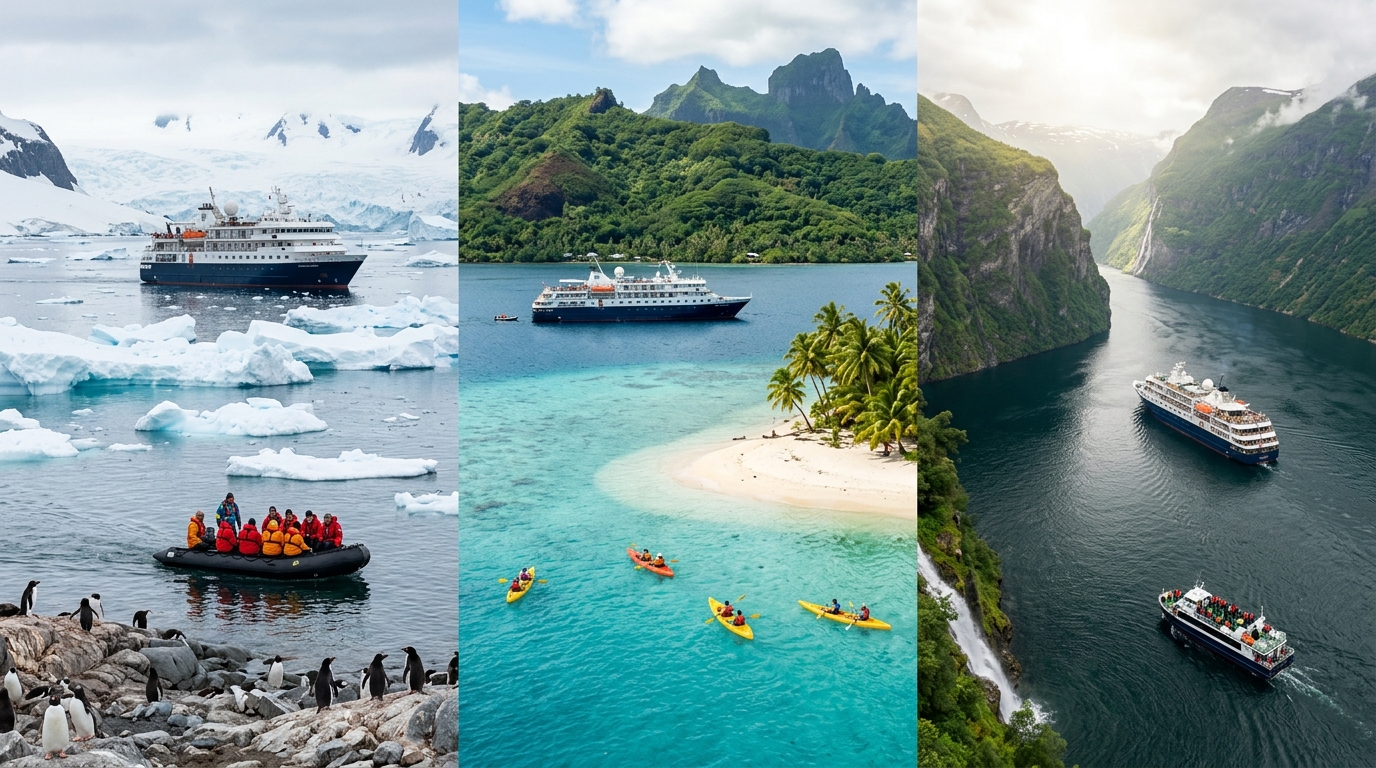
Booking an adventure cruise is rarely an impulse decision. The best sailings require planning, the right timing, and a clear understanding of what you want from the experience.
Start by identifying your destination and ideal travel window. Then cross-reference that with the booking timelines outlined in this guide. If you’re targeting a peak-season polar expedition or a Galápagos sailing during the school holidays, move quickly—availability at the right price point won’t last.
Talk to a specialist expedition cruise agent, not a general travel agent. The nuances of expedition operators, ship sizes, itinerary routing, and permit restrictions are specialized knowledge that directly affects the quality of your trip.
The best adventure cruises are booked by people who planned. Start planning today.
Conclusion
Choosing the best time to book adventure cruises can significantly improve your travel experience while helping you save money and secure your preferred itinerary. Whether you’re planning a luxury Antarctic expedition, a family-friendly Alaska cruise, or a wildlife adventure in the Galápagos, booking at the right time ensures better cabin availability, lower fares, and smoother trip preparation. Early planning is ideal for popular destinations, while flexible travelers can benefit from shoulder-season or last-minute deals. By matching your destination, budget, and travel goals with the right booking window, you’ll maximize value and create an unforgettable adventure cruise experience from start to finish.
Frequently Asked Questions
How far in advance should I book an adventure cruise?
For most adventure cruises, booking 6–12 months in advance is recommended. Antarctic and Arctic expeditions, Galápagos sailings, and peak school-holiday departures should be booked 12–18 months ahead due to limited capacity and high demand.
What is the cheapest time to book an adventure cruise?
Shoulder-season departures—early or late in a destination’s sailing season—are typically the most affordable. Early-bird promotions booked 9–12 months in advance also offer reliable discounts of 10–20%. Last-minute deals exist but require significant schedule flexibility.
Are adventure cruises suitable for families with children?
Yes, though the minimum age requirements vary by operator and destination. Many expedition operators set minimum ages of 8 or 12 for polar sailings due to Zodiac safety requirements. Family-specific departures offer junior naturalist programs and age-appropriate excursions. Book early—connecting cabins on small ships sell out fast.
What is the best destination for a first-time adventure cruise?
The Norwegian fjords and Alaska’s Inside Passage are excellent first expedition cruise destinations. Both offer dramatic scenery, strong wildlife viewing, relatively calm sailing conditions, and a range of ship sizes and price points. They’re also logistically simpler than polar expeditions, with no extreme climate preparation required.
How do wildlife adventure cruises differ from regular cruises?
Wildlife adventure cruises are designed around natural history experiences—wildlife encounters, guided shore excursions, onboard naturalists, and access to remote ecosystems. They use small expedition ships (typically 50–200 passengers) that can access areas inaccessible to larger vessels. The pace is active, the focus is educational, and the experience is immersive in a way that mainstream cruising is not.
Can I find last-minute adventure cruise deals?
Yes, last-minute deals on adventure cruises do exist, typically surfacing 4–8 weeks before departure when operators need to fill remaining berths. Platforms like Vacations To Go and operator-specific deal newsletters aggregate these offers. The trade-off is limited destination choice, cabin selection, and preparation time.
What should I look for in an adventure cruise operator?
Key factors include the ship’s size and ice rating (for polar itineraries), the ratio of expedition staff to passengers, itinerary routing and landing permits, onboard naturalist credentials, and included excursions versus optional add-ons. Established operators like Hurtigruten, Quark Expeditions, Lindblad Expeditions, and Aurora Expeditions have strong track records in the expedition cruising space.