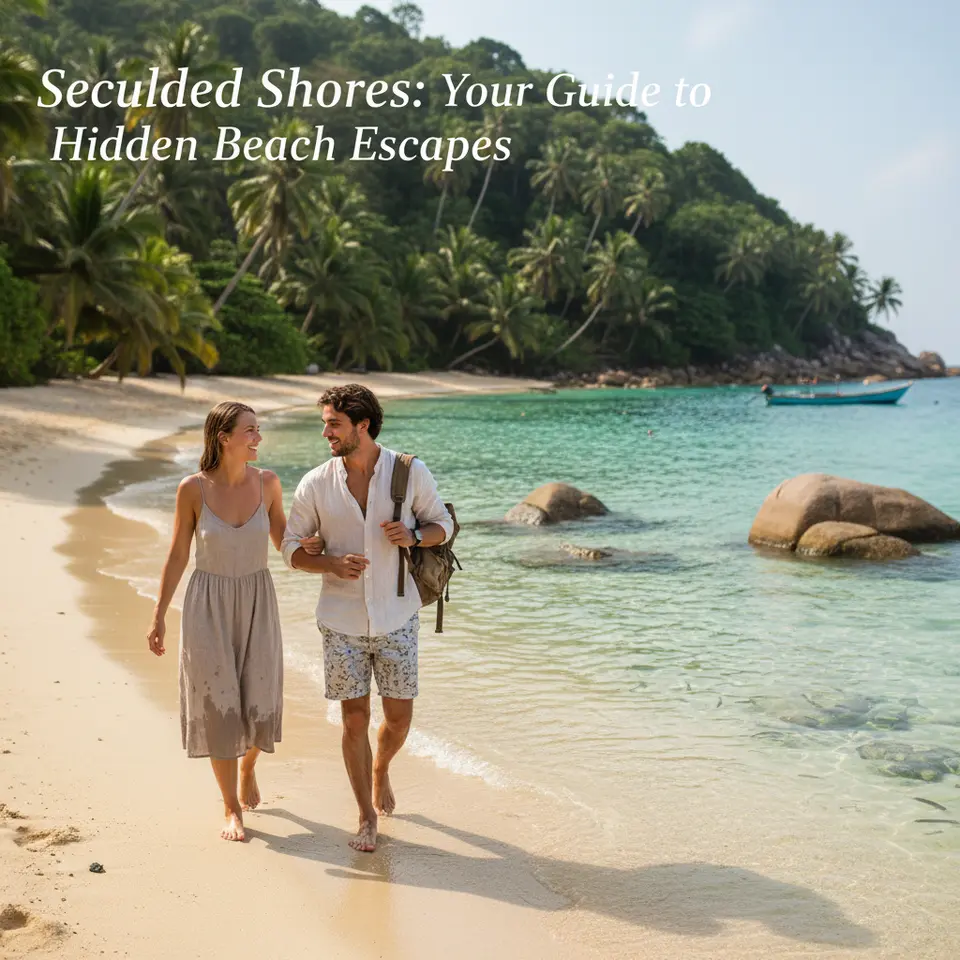
Hidden beach escapes offer travelers peaceful coastal adventures away from crowded tourist spots. With careful planning, eco-conscious travel, and the right timing, visitors can explore secluded coves, pristine shorelines, and breathtaking landscapes while enjoying relaxation, photography, snorkeling, kayaking, and authentic cultural experiences worldwide.
In today’s digital landscape, the allure of pristine shorelines tucked away from the crowds has never been stronger. For travelers yearning for genuine solitude, hidden beach escapes offer a rare opportunity to connect with nature without competing for space. Imagine arriving at a secluded cove where turquoise waves lap softly against unspoiled sands, and the only soundtrack is the distant call of seabirds and the whisper of the breeze through palm fronds. These off-the-grid coastal havens embody the true spirit of exploration—where discovery feels intimate, and each sunrise brings a new canvas of color.
Whether you’re planning a wellness retreat focused on mindfulness, a photography expedition chasing the golden hour, or simply seeking a tranquil escape with a good book in hand, this guide equips you with everything you need to know. We’ll walk you through detailed planning strategies, uncover some of the world’s most extraordinary hidden beach escapes, explore optimal timings and seasonal nuances, and outline essential gear that ensures safety and comfort. You’ll also learn eco-responsible travel practices and even find a sample seven-day itinerary to spark your imagination.
By the end of this article, you’ll be prepared to embark on a truly unique coastal adventure this year. Ready to leave busy boardwalks behind and find your own slice of paradise? Let’s dive in and discover the secrets of secluded shores.
Planning and Preparation for Your Secluded Getaway
The foundation of any successful hidden beach escapes adventure is meticulous planning. Start by tapping into specialized travel communities and local resources: browse niche forums like those on Reddit’s r/solotravel, consult regional tourism board websites, and study satellite imagery via Google Earth or marine navigation apps. These tools reveal little-known inlets, private coves, and quieter stretches beyond popular resort areas.
Before finalizing your itinerary, research entry requirements and seasonal closures. Some conservation areas mandate permits or require guides to protect wildlife and ecosystems. Check official updates from government agencies or park authorities—many publish notices directly through websites such as the National Oceanic and Atmospheric Administration (NOAA) (https://oceanservice.noaa.gov) for tide charts and weather advisories. If your target location demands a four-wheel-drive vehicle, boat transfer, or a moderate trek, line up reliable transport in advance and confirm local regulations.
Safety should never be an afterthought. Share your detailed route and timings with a trusted contact, download offline maps, and pack essentials like a handheld GPS, compass, and headlamp. In remote areas where cell coverage is spotty, consider renting a satellite messenger or emergency beacon. Finally, compile a simple checklist of accommodation options—whether camping platforms, guesthouses in fishing villages, or eco-bungalows—to ensure you have fallback plans if weather or access conditions change. Thoughtful preparation sets the stage for a stress-free and rewarding journey into the world’s best concealed coastlines.
Hidden Beach Escapes: Top Destinations Around the Globe
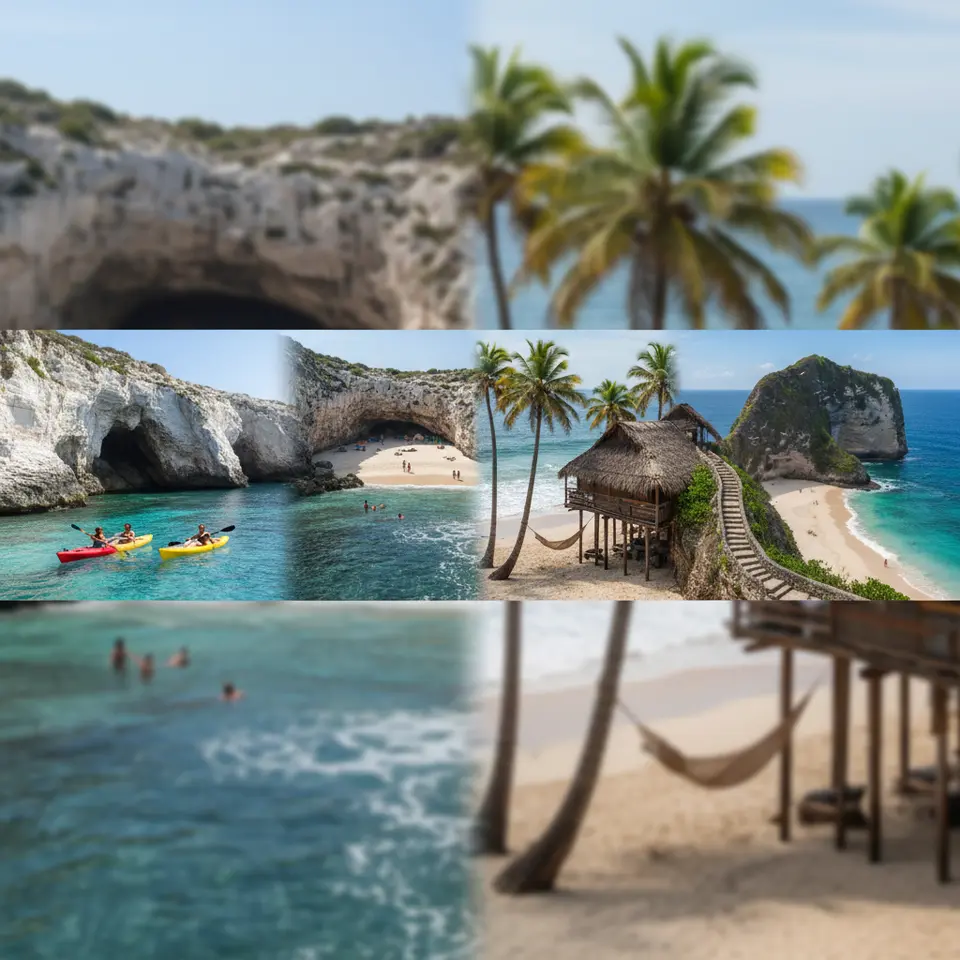
Today’s most breathtaking hidden beach escapes span every continent, each offering its own distinctive charm and terrain. Below are four standout destinations that consistently earn praise among seasoned explorers and wildlife enthusiasts.
Cala Luna, Sardinia, Italy
Cala Luna lies along Sardinia’s rugged eastern shore, accessible only by footpath or sea kayak. A dramatic horseshoe-shaped bay fringed by limestone cliffs, it showcases sea grottoes adorned with stalactites and crystal-clear waters teeming with marine life. Snorkelers can glide over vibrant sea beds, while hikers explore nearby caves used by shepherds centuries ago.
Playa del Amor, Marietas Islands, Mexico
Found within a volcanic crater off Nayarit, Playa del Amor—also called Hidden Beach—reveals itself through a narrow opening in the rock wall. Reaching this secluded paradise involves a guided snorkeling or kayak excursion, but the reward is a sun-drenched courtyard surrounded by weathered walls, powdery sand, and brilliant aquamarine water.
Third Beach, Morro de São Paulo, Brazil
While the first two beaches on this Bahian island draw lively crowds, Third Beach remains a tranquil retreat. Palm trees sway above gently rolling surf, and rustic seafood shacks serve freshly caught delights. Whether you’re lounging in a hammock, stand-up paddleboarding, or simply listening to local musicians, the atmosphere is pure serenity.
Kelingking Beach, Nusa Penida, Indonesia
Famously shaped like a T-Rex, Kelingking Beach demands an exhilarating—and sometimes steep—descent down sandy stairs carved into limestone cliffs. Once below, you’ll find an intimate crescent of sugar-white sand and some of the most strikingly azure waters in Southeast Asia. Due to its remote location, early arrival ensures quieter conditions and optimal light for photography.
Each of these destinations exemplifies the spirit of hidden beach escapes—untouched, intimate, and utterly enchanting.
Timing Your Escape: Seasons, Photography, and Solitude
Choosing the right window can make all the difference when pursuing hidden beach escapes. Many secluded shores lie within regions governed by distinct wet and dry seasons. Aim for shoulder months—periods just before or after peak tourist influx—to avoid crowds while still enjoying favourable weather. In tropical zones, consult monsoon forecasts and regional meteorological services to sidestep heavy rains and turbulent seas.
Photography enthusiasts should target golden hour—shortly after sunrise or just before sunset—when soft, directional light illuminates shorelines and cliffs with warm hues. Low tides often reveal hidden rock formations, tide pools, and sea caves, so cross-reference local tide charts via NOAA or regional tide-prediction websites. For long-exposure wave effects, pack a sturdy tripod and experiment with shutter speeds between one and three seconds.
Seasonal wildlife migrations also factor into timing. In certain protected areas, nesting sea turtles, migratory birds, or dolphin pods can transform a quiet cove into a vital wildlife sanctuary. Always verify wildlife activity schedules with official conservation bodies or academic research groups like those at the University of Miami Rosenstiel School of Marine and Atmospheric Science.
Finally, consider weekdays over weekends and arrive at first light. In today’s interconnected world, even remote spots can draw day-trippers. Securing the earliest possible access guarantees both privacy and the most awe-inspiring panoramas.
Packing Smart: Essentials and Tech for Secluded Shores
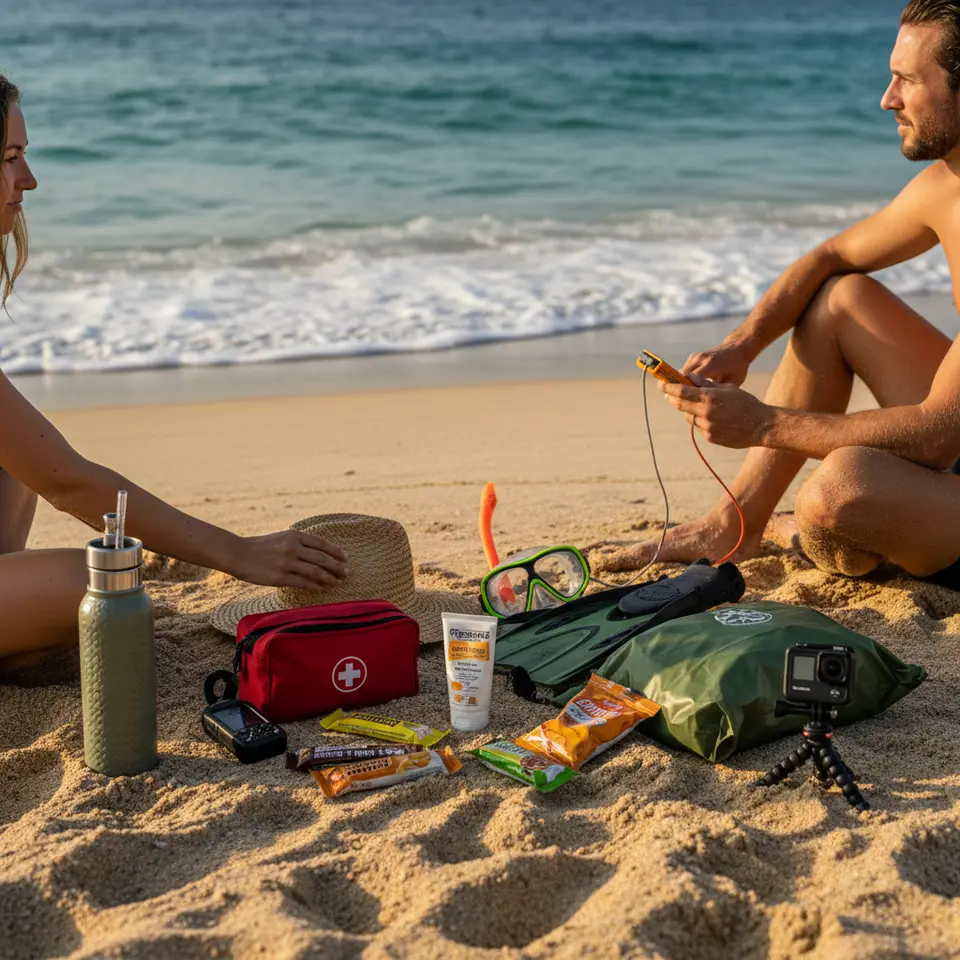
When shops and cafés are miles away, self-reliance becomes paramount. Building a streamlined kit ensures comfort without overburdening your backpack or inflatable kayak. Below is a curated packing guide for your hidden beach escapes:
- Hydration Tools: Reusable water bottle and a lightweight filtration straw or purification tablets.
- Sun Protection: Reef-safe, high-SPF sunscreen; UPF-rated clothing; and a wide-brim hat.
- First-Aid Basics: Compact kit with adhesive bandages, antiseptic wipes, antihistamines, and pain relievers.
- Water Gear: Travel-size snorkeling mask and fins or slip-resistant water shoes for rocky terrain.
- Navigation Aids: Offline maps downloaded via mapping apps, compass, and a GPS-enabled watch.
- Power Solutions: Portable solar charger or high-capacity power bank to keep devices and emergency beacons running.
- Lightweight Meals: Energy-dense, non-perishable foods like nuts, dehydrated fruits, and protein bars.
- Photography Equipment: Waterproof action camera or housing, wide-angle lens, and a flexible tripod.
Allocate weight strategically—prioritize safety and communication tools over luxury items. Storing gear in waterproof dry bags shields contents from saltwater and humidity. With this gear list, you’ll feel equipped to fully embrace the spirit of exploration without compromising on safety or sustainability.
Eco-Travel and Crafting Your Off-Grid Itinerary
Hidden beach escapes often thrive because they remain off-grid and unspoiled. As responsible travelers, we have a duty to preserve these fragile ecosystems. Adhere to Leave No Trace principles by carrying out all trash, avoiding contact with corals, and steering clear of wildlife nesting zones. For detailed guidelines, refer to the National Park Service’s Leave No Trace principles (https://www.nps.gov/articles/leave-no-trace-principles.htm).
Supporting local communities enriches your experience and fosters sustainable tourism. Hire local boat operators, purchase fresh catch from artisanal fishers, and choose family-run guesthouses over international chains. Even small eco-contributions—like contributing to beach cleanups or donating to marine conservation projects—make a tangible difference.
To maximize your time, consider this sample seven-day itinerary, which balances adventure, relaxation, and cultural immersion:
- Day 1: Arrive at the coastal gateway town, collect necessary permits, and scout nearby vistas at sunset.
- Day 2: Embark on a sea-kayak expedition to your first hidden cove; picnic lunch and snorkeling in crystalline coves.
- Day 3: Join a guided eco-tour of offshore islets; spot seabirds, sea turtles, and marine mammals.
- Day 4: Spend the morning photographing shoreline formations, then unwind with a beachfront yoga or massage.
- Day 5: Visit a coastal village to learn traditional net-mending techniques and sample regional dishes.
- Day 6: Return to a favorite secluded bay at dawn for golden-hour shots; explore tide pools in the afternoon.
- Day 7: Savor a final swim before packing up and heading home, enriched by memories of untouched beauty.
By weaving eco-conscious habits into every stage—from arrival to departure—you protect the very places that inspire our sense of wonder.
FAQ
1. What are hidden beach escapes?
Hidden beach escapes are secluded coastal destinations located away from crowded tourist areas. These beaches are often difficult to access, requiring hiking, boat rides, kayaking, or local guidance. Travelers choose hidden beach escapes to experience peaceful surroundings, untouched nature, crystal-clear waters, and a more authentic connection with coastal environments.
Unlike commercial beaches filled with resorts and large crowds, hidden beaches usually provide privacy, tranquility, and scenic natural beauty.
2. Why are hidden beach escapes becoming more popular?
Modern travelers increasingly seek quiet, meaningful experiences instead of overcrowded tourist attractions. Hidden beach escapes provide a sense of adventure, relaxation, and exclusivity that traditional destinations often lack.
Several factors driving their popularity include:
- Social media travel inspiration
- Increased interest in eco-tourism
- Desire for peaceful wellness retreats
- Adventure travel trends
- Remote work flexibility
- Nature-focused experiences
People now value unique memories and authentic exploration more than heavily commercialized tourism.
3. How can travelers find hidden beaches safely?
Finding hidden beaches requires proper research and preparation. Travelers can use:
- Google Earth and satellite maps
- Local tourism boards
- Travel forums and Reddit communities
- Hiking and marine navigation apps
- Recommendations from local guides
Safety is extremely important because secluded beaches may have limited phone signals, dangerous tides, or difficult terrain. Always share your itinerary with someone, carry offline maps, and check weather forecasts before exploring remote coastal locations.
4. What is the best time to visit secluded beaches?
The best time depends on the destination’s climate and tourist seasons. Generally, shoulder seasons—just before or after peak tourism months—offer the best balance between good weather and fewer crowds.
Travelers should also consider:
- Tide schedules
- Rainy seasons
- Hurricane or monsoon risks
- Wildlife migration periods
- Sunrise and sunset timing for photography
Early mornings on weekdays usually provide the most peaceful beach experiences.
5. What activities can travelers enjoy at hidden beach escapes?
Hidden beach escapes offer a wide variety of relaxing and adventurous activities, including:
- Snorkeling
- Kayaking
- Paddleboarding
- Beach photography
- Wildlife observation
- Swimming
- Meditation and yoga
- Coastal hiking
- Camping
- Tide pool exploration
Because these beaches are less crowded, visitors can enjoy a more immersive connection with nature and local culture.
6. What should I pack for a hidden beach adventure?
Packing properly is essential because remote beaches often lack nearby facilities. Recommended items include:
- Reef-safe sunscreen
- Reusable water bottle
- Waterproof dry bags
- Portable charger
- First-aid kit
- Snorkeling equipment
- Lightweight snacks
- Navigation tools
- Water shoes
- Quick-dry clothing
Travelers should prioritize safety, hydration, and environmental responsibility while keeping luggage lightweight and manageable.
7. Are hidden beach escapes environmentally sensitive?
Yes. Many secluded beaches exist within fragile ecosystems that can be damaged by careless tourism. Coral reefs, sea turtle nesting areas, and coastal wildlife habitats require protection.
Eco-conscious travelers should:
- Avoid littering
- Use reef-safe sunscreen
- Stay away from nesting zones
- Respect wildlife
- Avoid damaging coral reefs
- Follow Leave No Trace principles
Responsible tourism helps preserve these destinations for future generations.
8. Can families visit hidden beach escapes?
Families can absolutely enjoy hidden beach escapes, but destination choice matters. Some secluded beaches require challenging hikes or boat access that may not be suitable for young children or elderly travelers.
Families should look for:
- Easy-access hidden beaches
- Calm swimming conditions
- Nearby accommodations
- Emergency services access
- Safe hiking paths
Proper planning ensures a safe and enjoyable experience for all age groups.
9. Are hidden beaches expensive to visit?
Costs vary depending on location, accessibility, and accommodation style. Some hidden beach escapes are surprisingly affordable, especially when using local guesthouses, camping options, or public transportation.
However, remote islands and exclusive eco-resorts may involve:
- Boat transfer fees
- Guided tour costs
- Permit charges
- Specialized transportation expenses
Budget-conscious travelers can still enjoy hidden beaches by researching local alternatives and traveling during off-peak seasons.
10. What makes hidden beach escapes different from regular beach vacations?
Traditional beach vacations often focus on resorts, nightlife, and tourist entertainment. Hidden beach escapes emphasize solitude, exploration, and natural beauty instead.
The main differences include:
- Fewer crowds
- More privacy
- Stronger connection with nature
- Adventure-oriented travel
- Authentic local experiences
- Minimal commercialization
For many travelers, hidden beach escapes create deeper emotional memories and more meaningful travel experiences than standard resort vacations.
Conclusion
Hidden beach escapes unlock a world of unspoiled vistas, unparalleled serenity, and genuine cultural exchange. By investing time in careful planning, aligning your trip with optimal seasonal windows, and packing thoughtfully, you empower yourself to dive deeply into nature’s finest offerings. Practicing eco-responsible travel safeguards these coastal gems for generations to come, while supporting local communities ensures tourism uplifts rather than intrudes. Whether you seek an off-grid sanctuary for reflection, an adrenaline-fueled kayaking adventure, or a photography expedition at golden hour, the secluded shores featured in this guide beckon your curiosity and respect. Embrace the journey this year, tread lightly, and let each hidden cove unlock a new chapter in your story of exploration and discovery.