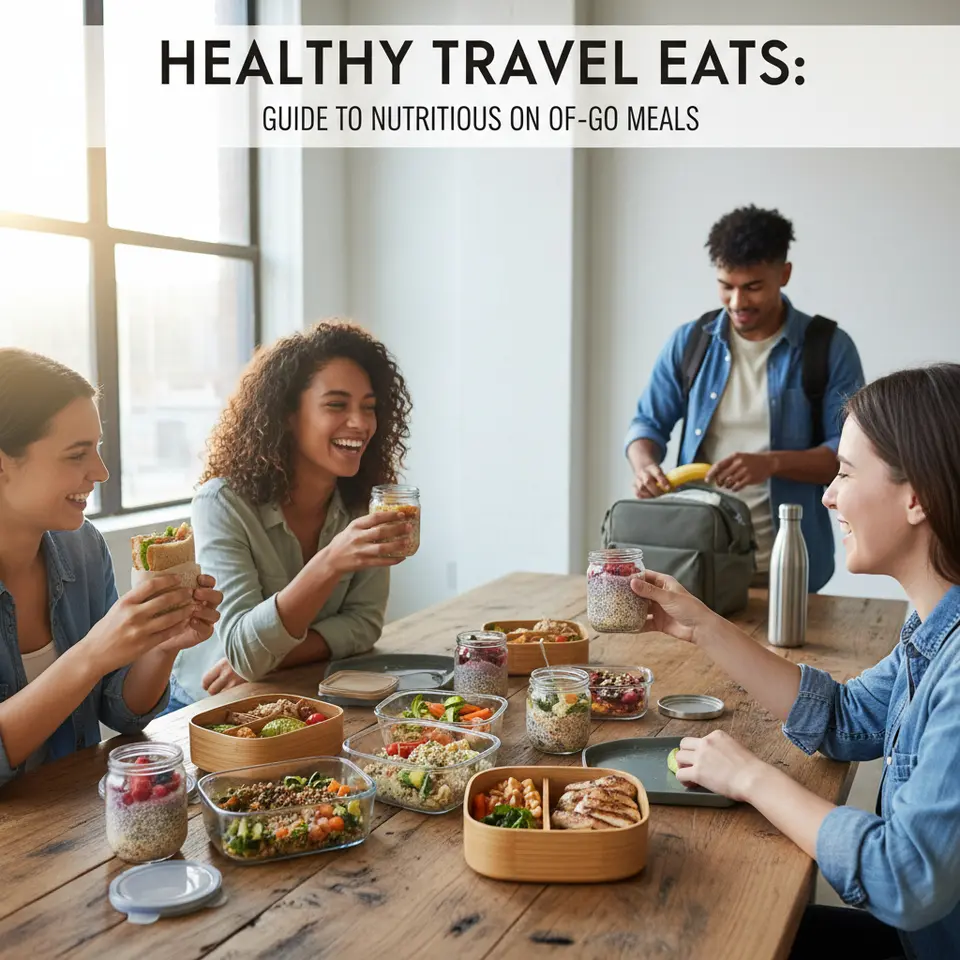
Healthy travel eats help maintain energy, immunity, and overall wellness on the go. With smart meal planning, proper storage, mindful dining, and hydration strategies, travelers can enjoy balanced nutrition while exploring new destinations without compromising their health or travel experience.
Benefits of Prioritizing Nutritious Travel Meals
Embracing nutrient-dense options while you travel offers a host of advantages. First and foremost, steady fuel from whole grains, protein sources, and healthy fats helps prevent blood sugar swings that can lead to energy crashes. With sustained energy, you’ll enjoy longer sight-seeing days without the mid-afternoon slump.
Maintaining immune function is another key benefit of healthy travel eats. Exposure to new environments and jet lag can weaken your defenses, making you more susceptible to common illnesses. Including vitamin C–rich fruits, antioxidant-packed vegetables, and probiotic foods in your on-the-go diet helps bolster your immune system. According to the CDC, a balanced diet is a crucial component of disease prevention and overall health maintenance.
Beyond physical health, focusing on nutritious snacks and meals can enhance mood and mental well-being. Studies from institutions like Harvard T.H. Chan School of Public Health suggest that diets rich in whole foods are linked to lower levels of stress and anxiety. When you feel good internally, you’re more likely to embrace spontaneous adventures, engage with local cultures, and create lasting memories.
Strategic Meal Planning and Preparation
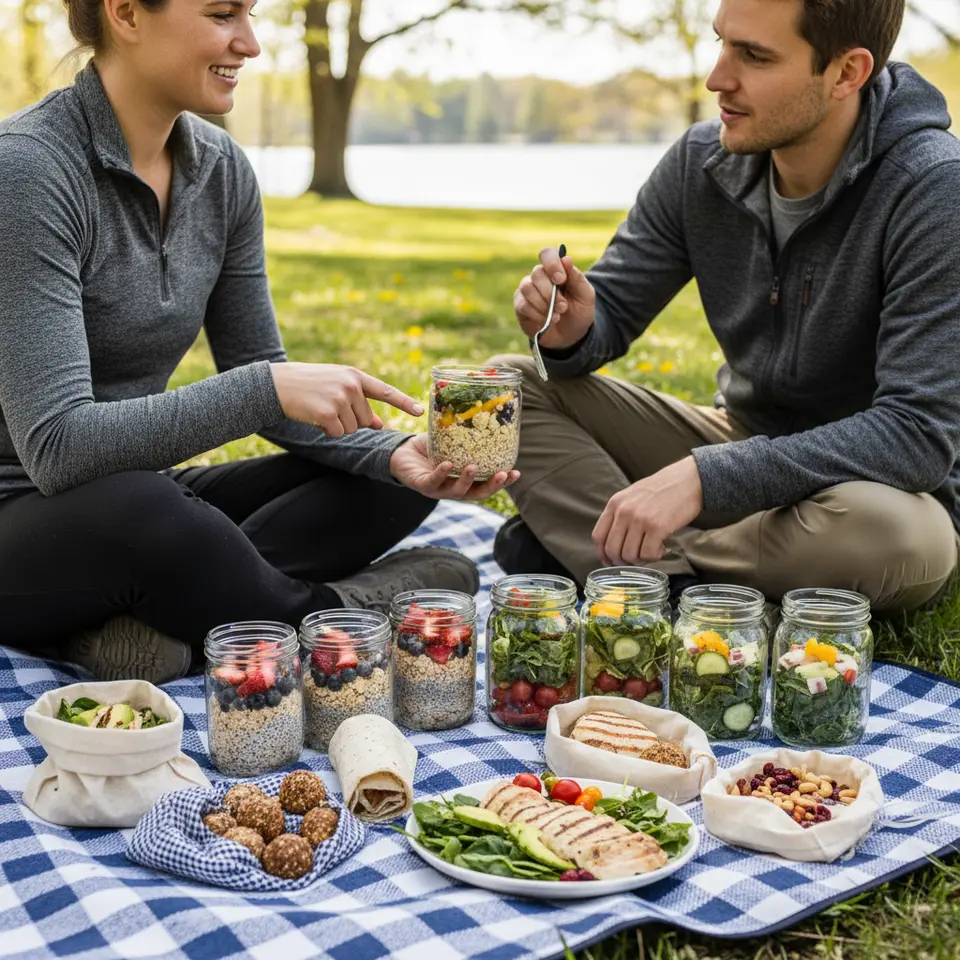
Successful healthy travel eats begin long before departure. Crafting a flexible but structured meal plan sets the stage for nutritious choices throughout your journey. Start by identifying quick, balanced recipes that require minimal refrigeration. Think overnight oats with berries, whole-grain wraps filled with lean protein, and mason-jar salads bursting with color and texture.
Breakfast Solutions
Overnight oats are a traveler’s best friend. Combine rolled oats with Greek yogurt, chia seeds, and a splash of your favorite milk alternative. Layer in fresh or frozen fruit for natural sweetness. Store in sealed jars for grab-and-go mornings. Alternatively, prepare egg muffins with veggies and lean turkey, then refrigerate or freeze individual portions.
Portable Lunch and Dinner Ideas
Grain bowls are incredibly versatile. Pre-cook quinoa or brown rice, then top with canned beans, roasted vegetables, and a simple vinaigrette in a leakproof container. Whole-grain wraps with hummus, sliced avocado, and pre-cooked protein sources—such as chicken strips or tofu—offer a balanced meal that’s easy to assemble and eat on the move.
Snack Planning
Keep hunger at bay with portioned snack packs. Combine mixed nuts, pumpkin seeds, and dried fruit in reusable silicone bags. Include mini packages of nut butter for pairing with apple slices or rice cakes. Energy balls made from oats, nut butter, and honey are another nutrient-dense, shelf-stable option.
Smart Packing and Storage Techniques
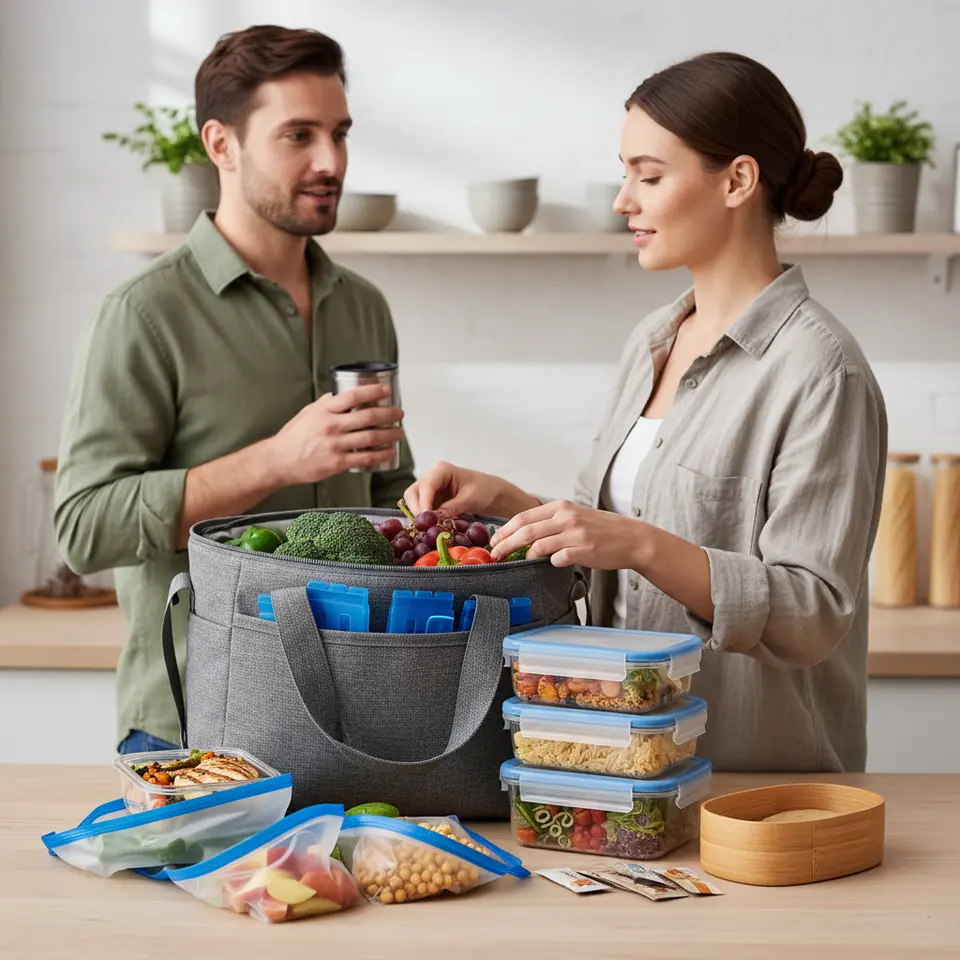
Equipping yourself with the right gear ensures your healthy travel eats stay fresh and safe. Invest in a mix of airtight containers, including stackable boxes and leakproof mason jars. Opt for BPA-free materials to protect food integrity and avoid unwanted chemicals.
Insulated Bags and Ice Packs
Insulated totes paired with reusable gel ice packs extend the shelf life of perishable items. Freeze water bottles overnight and place them alongside ingredients to double as cooling agents and drinking water later in the day.
Collapsible and Compact Solutions
For minimalists, collapsible silicone bags collapse to a fraction of their expanded size when empty. They’re perfect for fruits, chopped veggies, or protein snacks like roasted chickpeas. Bento-style containers help you maintain portion control and keep components separated until mealtime.
Shelf-Stable Alternatives
When refrigeration is limited, rely on canned or pouched proteins—tuna, salmon, beans—and nut butter packets. Dehydrated fruit chips and roasted seed mixes can satisfy crunch cravings without spoiling. These options support healthy travel eats even in the most remote settings.
Healthy Dining Out and Local Cuisine Strategies
Sampling regional dishes is a highlight of any trip, but mindful choices help you balance indulgence with nutrition. A little research goes a long way: review menus online ahead of time and identify meals with grilled, steamed, or baked preparations instead of fried. Look for plates featuring lean proteins—seafood, poultry, or legumes—and vibrant veggies.
Making Smart Requests
Don’t hesitate to ask for modifications. Request sauces and dressings on the side to control added fats and sugars. Substitute fries for a side salad or steamed vegetable. Many chefs happily accommodate dietary preferences when asked politely.
Balancing Local Treats
When you crave a sweet or savory specialty, practice portion control. Share small orders of street food with companions and pair them with fresh produce stands that offer fruit cups or crudité. This approach allows you to indulge without throwing your nutrition goals off track.
Leveraging Technology
In today’s digital landscape, nutrition-tracking apps can help you estimate calories and macronutrients when dining out. While not perfect, these tools provide a ballpark figure so you can make adjustments later in the day if needed.
Hydration and Supplementation on the Go
Staying hydrated is fundamental to any healthy travel eats plan. Dehydration can exacerbate fatigue, impair concentration, and even trigger headaches. Aim to drink water consistently throughout the day by carrying a refillable bottle equipped with a portable filter. In humid or high-altitude environments, natural electrolyte powders can replace lost minerals without added sugars. The CDC provides guidelines on daily fluid intake for various conditions.
Natural Electrolyte Sources
Coconut water is an excellent single-ingredient electrolyte beverage. Portable packets of powdered electrolytes—preferably those free from artificial colors and sweeteners—are lightweight and dissolve easily in a water bottle.
Travel-Friendly Supplements
When whole-food options are scarce, supplement packets can plug nutritional gaps. Collagen peptides support joint and skin health, while plant-based protein blends help meet daily protein requirements. Magnesium or vitamin C powder can be stirred into water for immune support and muscle recovery.
Safety and Label Reading
Always inspect labels for allergens, artificial additives, and hidden sugars. Choose brands that prioritize minimal ingredients and transparent sourcing. Store packets in waterproof pouches to keep contents fresh and dry.
Time-Saving Meal Hacks for Busy Travelers
When you’re constantly on the move, saving time is just as important as eating well. Pre-portion meals and snacks before your trip to avoid last-minute unhealthy choices. Use pre-cut vegetables, instant oats, and ready-to-eat protein sources like boiled eggs or canned beans. Airport and transit time can be optimized by carrying grab-and-go options. Planning ahead reduces reliance on fast food and ensures you always have nutritious choices within reach. Simple preparation strategies can make a big difference in maintaining healthy travel eats without adding stress to your journey.
Adapting Your Diet to Different Climates
Traveling across climates requires adjusting your food choices. In hot destinations, focus on hydrating foods like fruits, salads, and light meals to prevent dehydration. In colder regions, opt for warm, calorie-dense foods like soups, whole grains, and proteins to maintain body heat and energy. Humid environments may require extra electrolyte intake, while high-altitude areas benefit from iron-rich foods. Understanding how climate affects your nutritional needs helps you stay energized and comfortable, making your travel experience smoother and healthier.
Managing Dietary Restrictions While Traveling
If you follow a specific diet—such as vegetarian, vegan, gluten-free, or halal—planning becomes even more essential. Research local cuisine and restaurants in advance to identify suitable options. Learn key food phrases in the local language to communicate your needs clearly. Packing backup snacks ensures you’re never stuck without safe options. Many destinations now offer dietary-friendly alternatives, but preparation remains key. Staying proactive allows you to maintain your dietary preferences without compromising your health or travel enjoyment.
Avoiding Common Travel Nutrition Mistakes
Many travelers fall into unhealthy eating habits due to convenience or lack of planning. Skipping meals, over-relying on processed snacks, or consuming excessive sugary drinks can quickly drain energy levels. Another common mistake is ignoring hydration, especially during flights or long tours. Overeating local treats without balance can also impact digestion. Being mindful of these pitfalls helps you stay on track. A balanced approach—combining indulgence with nutritious choices—ensures you enjoy your trip without compromising your well-being.
Building a Sustainable Travel Eating Routine
Consistency is key when maintaining healthy travel eats. Establish simple daily habits like starting your morning with a balanced breakfast, carrying snacks, and staying hydrated. Try to maintain regular meal times even when crossing time zones. Keeping a routine reduces stress on your body and supports digestion and energy levels. Small, consistent actions can create long-term healthy habits that extend beyond travel. By building a sustainable routine, you’ll find it easier to stay healthy no matter where your journey takes you.
FAQ
1. What are healthy travel eats?
Healthy travel eats refer to nutritious, balanced meals and snacks that are easy to prepare, pack, and consume while traveling, helping maintain energy, immunity, and overall well-being.
2. How can I eat healthy while traveling on a budget?
Focus on affordable whole foods like fruits, nuts, oats, and canned proteins. Preparing meals in advance and shopping at local markets can significantly reduce food costs.
3. What are the best snacks for travel?
Great options include mixed nuts, protein bars, fresh fruits, rice cakes with nut butter, and homemade energy balls for sustained energy.
4. How do I keep food fresh during long trips?
Use insulated bags, ice packs, and airtight containers. Frozen water bottles can act as cooling agents while doubling as drinking water.
5. Is it safe to bring homemade food on flights?
Yes, most solid foods are allowed, but liquids and gels must follow airline regulations. Always check specific airline and country guidelines.
6. How can I stay hydrated while traveling?
Carry a reusable water bottle, drink regularly, and include electrolyte powders or coconut water, especially in hot or high-altitude destinations.
7. What should I eat before a long flight?
Choose balanced meals with protein, fiber, and healthy fats—such as whole grains, lean meats, and vegetables—to stay full and energized.
8. Are supplements necessary during travel?
Not always, but they can help fill nutritional gaps when access to fresh food is limited. Choose high-quality, minimal-ingredient supplements.
9. How do I make healthier choices when eating out?
Opt for grilled or baked dishes, request sauces on the side, and include vegetables. Portion control is key when enjoying local cuisine.
10. Can healthy eating improve travel experience?
Absolutely. Proper nutrition boosts energy, mood, and immunity, allowing you to fully enjoy activities and reduce travel fatigue.
Conclusion
Adopting healthy travel eats enriches every aspect of your journey. Thoughtful meal planning, smart packing solutions, and strategic dining-out choices ensure you stay nourished, energized, and ready for adventure. By integrating hydration best practices and sensible supplements, you protect your well-being in diverse environments—from busy city centers to remote hiking trails. Today, travelers are more informed than ever about the impact of balanced nutrition on performance and health. In today’s digital landscape, it’s simple to access expert guidance from reputable sources and apply it directly to your itinerary. Embrace these strategies, prioritize balanced choices, and let nutrient-rich meals power your next trip. Safe travels and bon appétit!