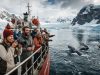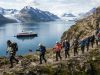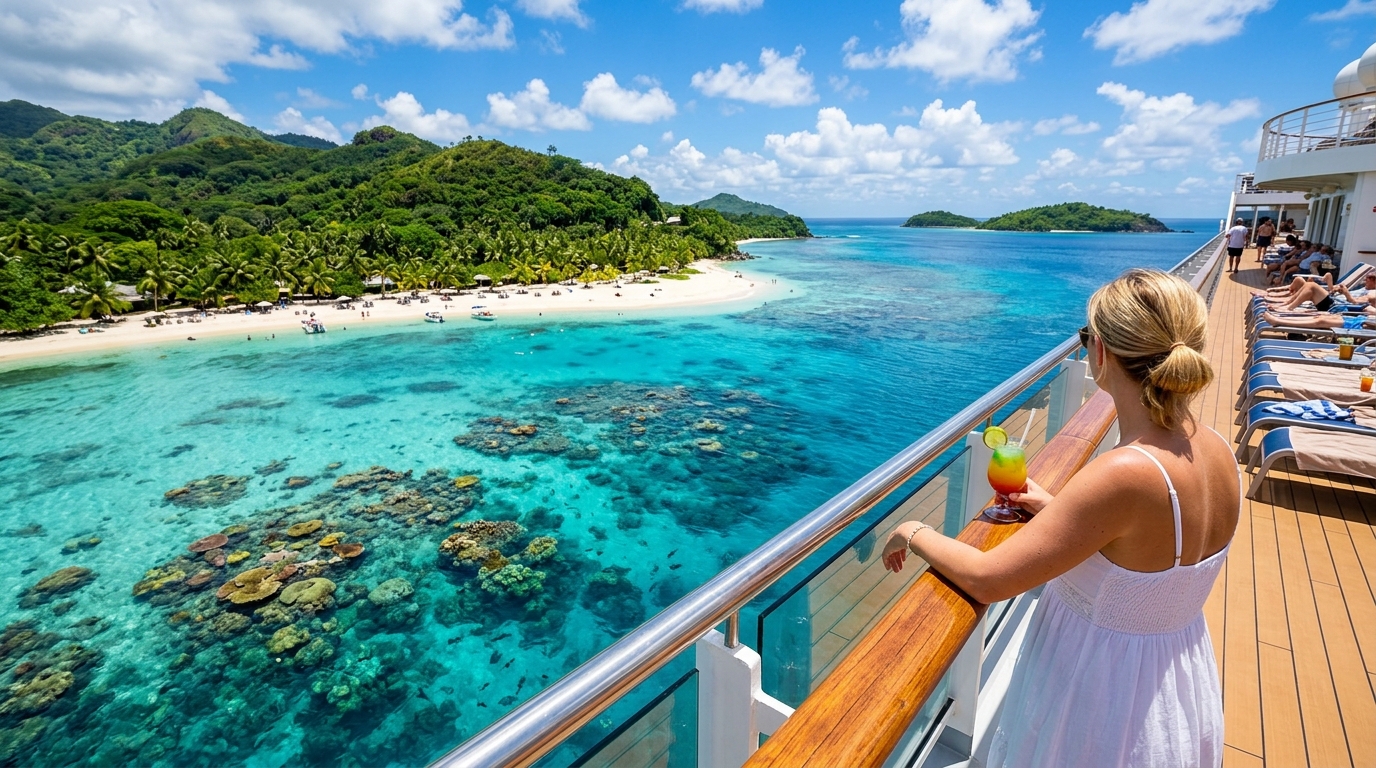
Adventure cruises combine exploration, wildlife encounters, and active excursions in remote destinations such as Antarctica, Alaska, the Galápagos, and the Arctic. Using small expedition ships and expert guides, these voyages offer immersive experiences, flexible itineraries, and unforgettable opportunities for discovery, learning, and adventure.
Adventure cruises are expedition-style voyages that take you to remote, wild places—think Antarctica, the Galápagos, and Alaska—with a focus on hands-on activities like kayaking, hiking, and wildlife spotting. They use smaller ships, expert guides, and flexible itineraries to deliver experiences traditional cruises simply can’t.
Forget shuffleboard and midnight buffets. A new kind of sea travel has captured the imagination of curious explorers who want more than a deck chair and a tan. Adventure cruises swap crowded mega-ships for nimble vessels that slip into hidden fjords, drop anchor near penguin colonies, and let you paddle through glacial waters before lunch.
This guide breaks down everything you need to know before booking. You’ll discover the best destinations on the planet, learn how to pack smart, and figure out which type of voyage suits your travel style—whether you’re chasing wildlife, traveling with kids, or craving five-star comfort in the middle of nowhere.
By the end, you’ll have a clear sense of what these trips offer and how to plan one that fits your budget and bucket list. Let’s set sail.
What Are Adventure Cruises?
Adventure cruises are small-ship expeditions built around exploration and active experiences rather than onboard entertainment. Instead of stopping at busy tourist ports, these voyages head for places most travelers never reach—polar ice caps, untouched rainforests, and remote island chains teeming with rare animals.
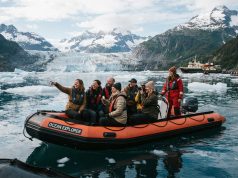
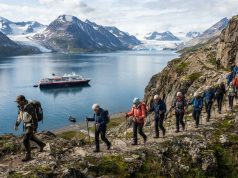
The heart of any adventure cruise is what happens off the ship. Daily excursions might include hiking volcanic trails, snorkeling over coral reefs, or zipping through icy bays in inflatable Zodiac boats. Naturalists, historians, and marine biologists often travel with you, sharing knowledge that turns sightseeing into genuine learning.
These trips attract people who value discovery over relaxation. The pace is active, the scenery is dramatic, and the itineraries stay flexible. If a pod of whales appears, the captain may change course to give everyone a closer look. That kind of spontaneity is rare on traditional cruise lines, and it’s exactly why adventure cruises have grown so popular among independent-minded travelers.
Best Adventure Cruise Destinations
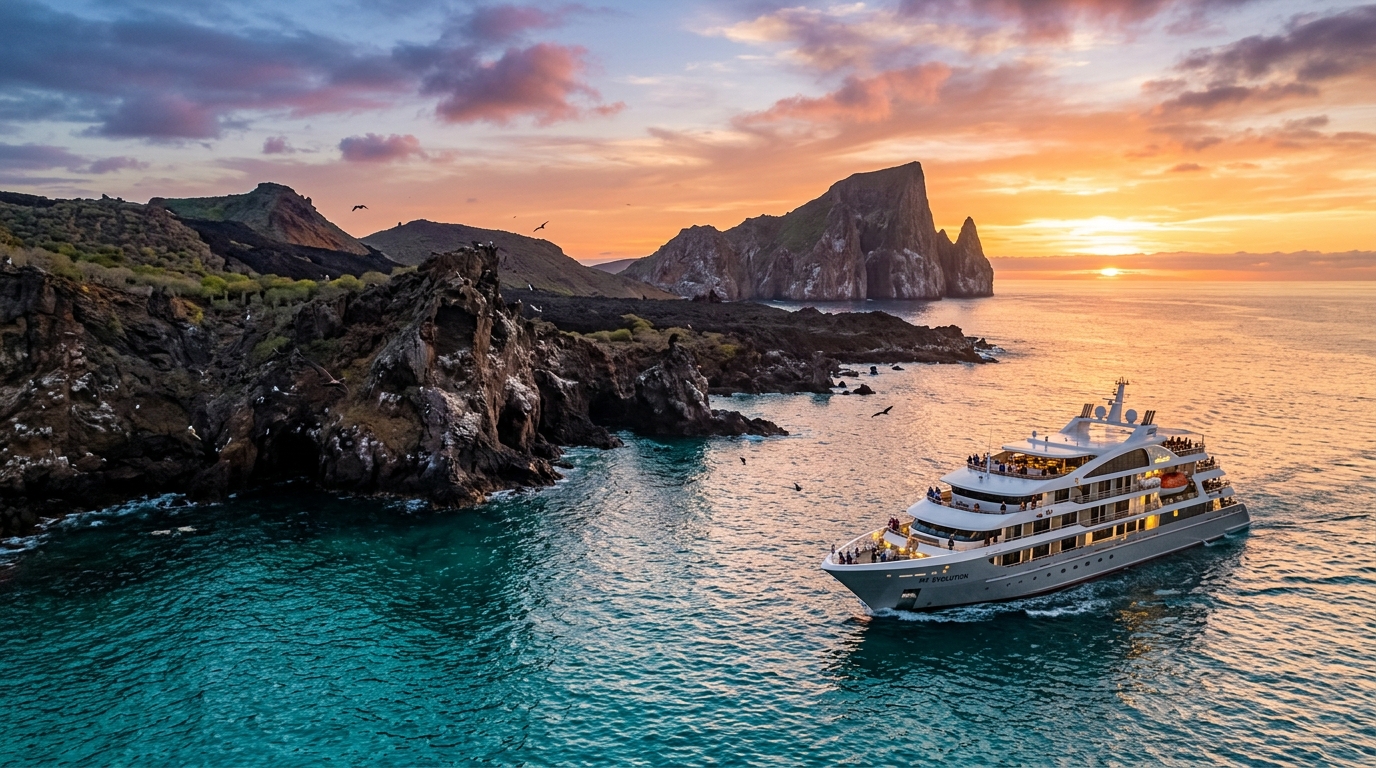
Choosing where to go is half the fun. Some regions stand out for their raw natural beauty, abundant wildlife, and once-in-a-lifetime experiences. Below are the destinations that consistently top travelers’ wish lists.
Antarctica
The white continent is the ultimate prize for serious explorers. Crossing the Drake Passage rewards you with towering icebergs, massive penguin rookeries, and silence so complete it feels otherworldly. Most voyages depart from Ushuaia, Argentina, between November and March, when daylight stretches for nearly 24 hours.
The Galápagos Islands
Few places on Earth offer wildlife encounters like the Galápagos. Giant tortoises, marine iguanas, and blue-footed boobies roam without fear of humans. A well-planned adventure cruise here lets you swim alongside sea lions and follow in Darwin’s footsteps across volcanic landscapes.
Alaska
Alaska delivers glaciers that calve into the sea, breaching humpback whales, and dense forests draped in mist. Smaller vessels can navigate the narrow channels of the Inside Passage, getting you closer to the action than the floating cities that dominate the region each summer.
Norway’s Fjords
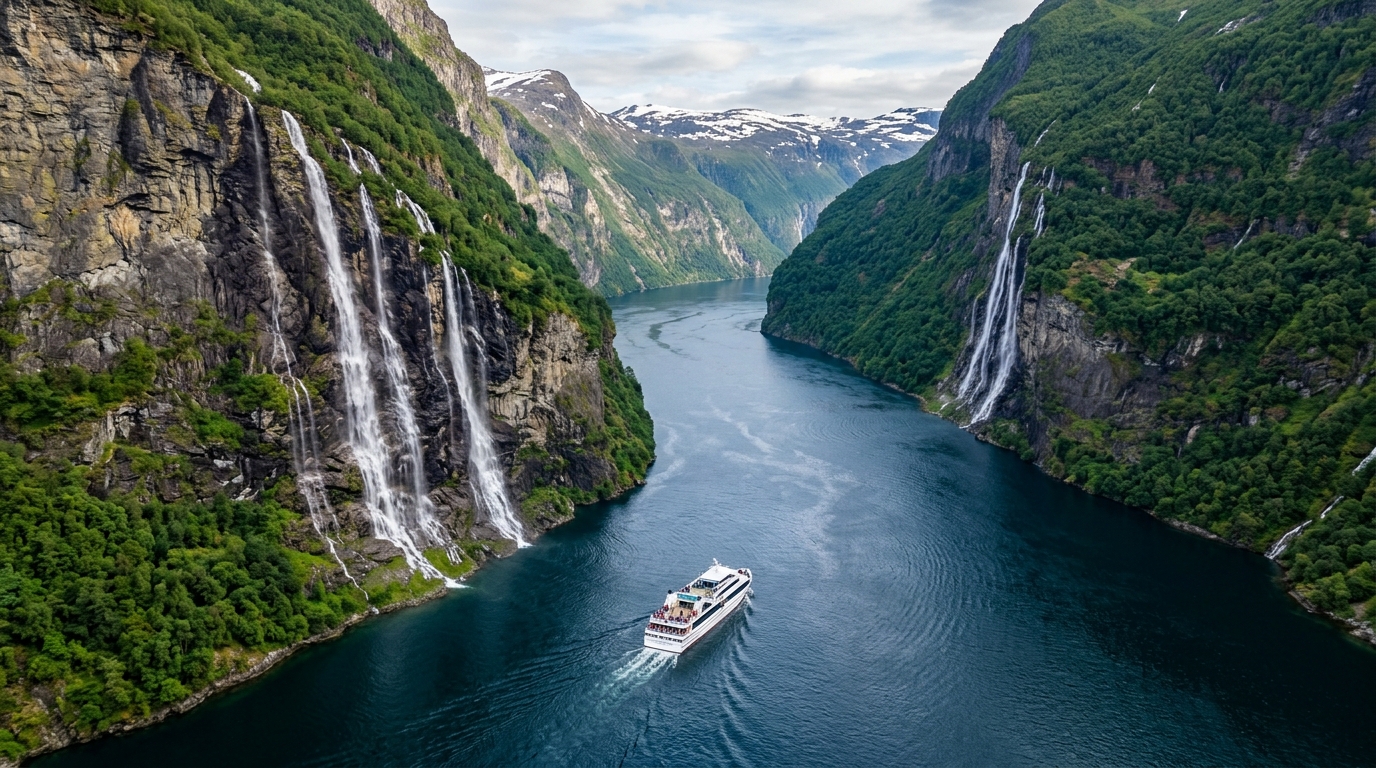
The Norwegian coastline is a masterpiece of steep cliffs, cascading waterfalls, and glassy waters. Sailing here in summer means endless daylight, while winter trips offer a shot at seeing the northern lights dance overhead.
The Arctic and Svalbard
For travelers who want polar bears in their natural habitat, the Arctic archipelago of Svalbard is unmatched. Expedition ships push through pack ice in search of walruses, Arctic foxes, and the elusive king of the north.
Adventure Cruise Travel Tips
A great voyage starts long before you board. A bit of preparation goes a long way toward making your time at sea smooth and stress-free. Keep these practical pointers in mind as you plan.
Pack in layers. Weather in wild regions changes fast. Bring moisture-wicking base layers, a warm mid-layer, and a waterproof outer shell so you stay comfortable whether the sun shines or the wind howls.
Bring the right gear. Waterproof boots, binoculars, and a quality camera will transform your experience. Many ships provide muck boots and parkas, so check what’s included before you buy.
Prepare for motion sickness. Open-water crossings can get rough. Pack remedies and talk to your doctor about options if you’re prone to seasickness.
Buy travel insurance. Remote destinations come with real risks. Comprehensive coverage that includes emergency evacuation is essential when you’re days away from the nearest hospital.
Book early. Popular sailings sell out months—sometimes a year—in advance. Reserving early also gives you the best cabin selection and often the lowest fares.
Respect the environment. These ecosystems are fragile. Follow your guides’ instructions, keep a safe distance from animals, and never leave anything behind.
Small Ship Adventure Cruises
The size of your vessel shapes the entire trip. Small ships, typically carrying between 12 and 200 passengers, are the backbone of expedition travel. Their compact footprint lets them reach shallow bays, narrow inlets, and remote landing sites that large liners can’t touch.
Fewer passengers also mean a more personal experience. You’ll spend more time ashore, wait in shorter lines for excursions, and get to know your fellow travelers and crew. The intimate atmosphere often leads to friendships that last well beyond the voyage.
There’s an environmental upside too. Smaller vessels generally have a lighter impact on delicate habitats, and many operators now invest in cleaner technology and sustainable practices. If reaching pristine, hard-to-access places matters to you, a small-ship expedition is the clear choice.
Luxury Adventure Cruises
Roughing it isn’t for everyone, and the good news is you don’t have to. Luxury adventure cruises blend wild exploration with refined comfort, proving that remote travel and indulgence can coexist beautifully.
Expect spacious suites with private balconies, gourmet meals crafted by top chefs, and amenities like spas, hot tubs, and even submarines on some ships. After a day of trekking across tundra or kayaking past icebergs, you return to plush surroundings and attentive service.
These premium voyages suit travelers who want the thrill of the wilderness without sacrificing the finer things. Choose a luxury option if comfort and personalized service rank as highly as the destination itself. Just be ready to pay a premium—these trips command top-tier prices for top-tier experiences.
Family-Friendly Adventure Cruises
Traveling with kids doesn’t mean trading excitement for convenience. Many operators now design itineraries that keep younger explorers engaged while giving parents peace of mind.
Look for sailings with dedicated youth programs, hands-on science activities, and excursions scaled for shorter legs and shorter attention spans. Spotting penguins, learning to drive a Zodiac, or helping a naturalist log wildlife sightings can spark a lifelong love of the natural world.
|
Feature |
What to Look For |
|---|---|
|
Age requirements |
Confirm minimum ages for the ship and key activities |
|
Youth programs |
Educational games, junior explorer clubs, and guided activities |
|
Cabin options |
Connecting rooms or family suites |
|
Pacing |
Shorter excursions with downtime built in |
|
Safety |
Strong staff-to-guest ratios and life-jacket fittings |
Picking the right operator makes all the difference. A family-focused voyage turns a vacation into an education your children will talk about for years.
Wildlife Adventure Cruises
For nature lovers, few experiences rival watching animals thrive in their own habitat. Wildlife-focused expeditions put you front and center for some of the planet’s greatest natural spectacles.
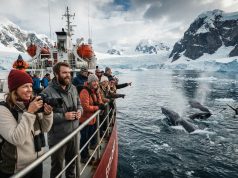
In the Galápagos, you might snorkel beside playful sea lions. In Antarctica, you’ll witness thousands of penguins waddling across the ice. Alaska serves up breaching whales and soaring bald eagles, while Svalbard offers the rare thrill of spotting a polar bear from the deck.
Onboard experts elevate every sighting. Marine biologists and ornithologists explain animal behavior, point out species you’d otherwise miss, and answer your questions in real time. Bring a good pair of binoculars and a zoom lens—you’ll want to capture moments that words can’t fully describe.
Final Thoughts on Planning Your Next Voyage
Adventure cruises open doors to places most people only see in documentaries. They reward curiosity, reward effort, and leave you with memories that ordinary holidays rarely match. Whether you dream of icy poles, equatorial islands, or misty fjords, there’s a voyage out there shaped to your interests.
Start by picking the destination that excites you most, then match it with the right ship and travel style. Compare operators, read recent reviews, and book early to lock in your spot. Most of all, go in with an open mind and a sense of wonder—the wild has a way of changing how you see the world.
Ready to begin? Research a few reputable expedition operators, set a budget, and start counting down to the trip of a lifetime.
Frequently Asked Questions
How much do adventure cruises cost?
Prices vary widely based on destination, ship, and length. Budget expeditions can start around $3,000 to $5,000 per person, while luxury polar voyages often exceed $15,000. Antarctica and the Arctic sit at the higher end, while regional trips like Alaska tend to cost less.
When is the best time to take an adventure cruise?
Timing depends on where you’re headed. Antarctica runs from November to March, the Galápagos is great year-round, and Alaska shines from May to September. Research the wildlife and weather patterns for your chosen region before booking.
Are adventure cruises suitable for first-time cruisers?
Yes. While the activities are more active than on traditional cruises, no special experience is required. Expedition staff guide you through every excursion, and you can choose how much you participate based on your fitness and comfort level.
What should I pack for an adventure cruise?
Pack layered clothing, a waterproof jacket and boots, binoculars, a good camera, sunscreen, and any personal medications. Always check your operator’s packing list, since many provide parkas and boots for polar trips.
How physically demanding are these trips?
It varies. Some excursions involve steep hikes or long paddles, while others are gentle and accessible. Most operators offer activities across a range of difficulty levels, so travelers of different fitness abilities can find something that suits them.
Conclusion
Adventure cruises offer a unique way to explore some of the world’s most remote and breathtaking destinations. Unlike traditional cruises, these expeditions focus on discovery, wildlife encounters, and hands-on experiences that bring travelers closer to nature. Whether you’re kayaking through icy Antarctic waters, spotting polar bears in the Arctic, or snorkeling in the Galápagos, every day delivers something extraordinary. Choosing the right destination, ship size, and travel style can significantly enhance your experience. With proper planning, smart packing, and an adventurous mindset, an expedition cruise can become one of the most memorable journeys of your life, filled with unforgettable moments.