Wildlife travelers can turn a simple voyage into a life-changing journey by choosing routes where animals, scenery, and slow travel meet.
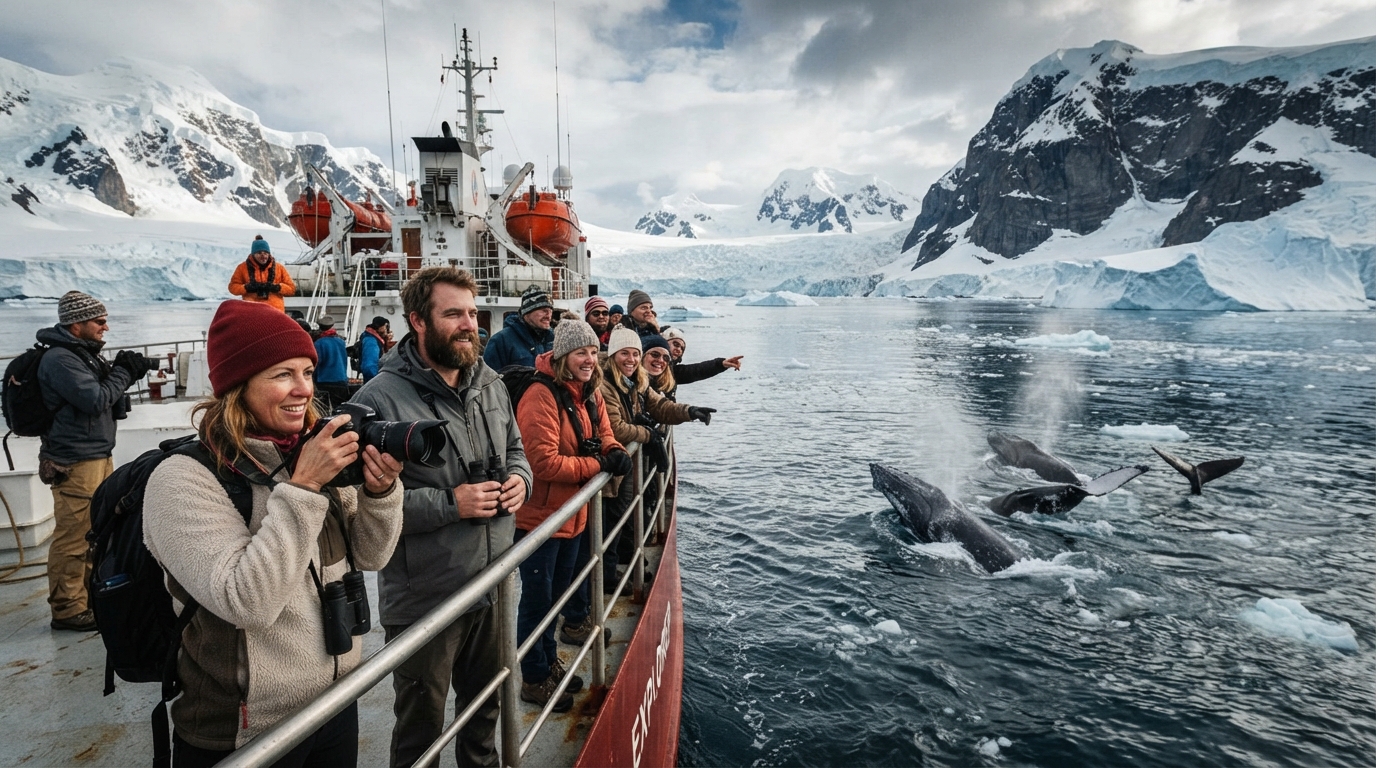
Adventure cruises are not ordinary vacations. They are immersive journeys that bring travelers closer to remote coastlines, rare species, and unforgettable habitats. For wildlife travelers, the appeal is deeper than scenery alone. It is about waking up to the call of seabirds, scanning icy horizons for a breaching whale, and stepping ashore in places where nature still leads the rhythm of the day. A well-planned cruise can create meaningful encounters without rushing past the very wonders people came to see.
Wildlife Lovers often choose cruising because it combines comfort with access. You can cover multiple ecosystems in one itinerary, from tropical islands to polar seas, while carrying less luggage than a land expedition. The right voyage also offers expert guides, naturalists, and onboard programs that help travelers understand what they are seeing. That educational layer matters because it turns a pretty trip into a richer memory. For Wildlife Lovers, knowledge deepens wonder.
This guide explains how to choose the best itinerary, which destinations stand out, what wildlife you may encounter, and how to travel responsibly. It is designed for readers who want inspiration as well as practical advice. Whether you are planning a once-in-a-lifetime polar voyage or a warm-water island route, the best options for Wildlife Lovers are those that balance access, comfort, and respect for nature.
Why adventure cruises appeal to Wildlife Lovers
One reason these trips are so attractive is the pace. In many destinations, wildlife appears only when conditions are right, so slow travel is an advantage. Wildlife Lovers appreciate that cruises let them wait quietly in coves, fjords, and channels where animals naturally move. Instead of chasing a checklist, travelers can observe behavior in a more authentic way. That slower rhythm reduces stress and increases the chance of memorable sightings.
Another reason is expert interpretation. On high-quality sailings, naturalists explain migration patterns, feeding habits, and habitat differences. Wildlife Lovers do not just see an animal; they learn why it is there, how the ecosystem functions, and what conservation pressures shape the region. That context makes each sighting more meaningful and helps travelers become more responsible observers.
Comfort also matters. A cruise provides a warm cabin, reliable meals, and a stable base after long wildlife outings. This is especially valuable on routes that include small boats, tender landings, or wet-weather excursions. Wildlife Lovers often want adventure, but not at the expense of exhaustion. A cruise lets them stay adventurous without sacrificing rest.
The best destinations for immersive wildlife travel
When travelers search for unforgettable destinations, they usually want places where biodiversity is concentrated and the landscape feels dramatic. Wildlife Lovers should think beyond famous ports and focus on regions where animal activity is the main attraction. Some of the strongest choices include polar waters, isolated island chains, and protected marine areas.
Wildlife cruise destinations often reward patience more than speed. In some locations, the highlight may be a colony of penguins. In others, it may be a pod of dolphins riding the bow or a herd of seals resting on the ice. Wildlife Lovers should choose destinations based on the species they most hope to encounter, the season of travel, and the type of boat used on the itinerary.
Here is a simple planning table to compare options:
| Destination Type | Best For | Typical Highlights |
|---|---|---|
| Polar regions | Ice and rare species | Penguins, seals, whales |
| Tropical islands | Marine life and birds | Turtles, reef fish, seabirds |
| Northern fjords | Large mammals and scenery | Orcas, puffins, eagles |
| Remote archipelagos | Endemic species | Tortoises, iguanas, marine birds |
Cruise styles that matter most
Not every itinerary is built the same way. Wildlife Lovers who want the strongest viewing opportunities should pay attention to ship size, landing frequency, and guide quality. Small ships often have an advantage because they can reach narrow inlets and remote shores that larger vessels cannot. They also tend to create a quieter atmosphere that is better for wildlife observation.
Small ship wildlife cruises are especially appealing for travelers who want a more intimate group experience. Fewer passengers can mean more time on deck, more flexibility with excursions, and easier access to expert guides. Wildlife Lovers often prefer this format because it feels less crowded and more connected to the environment.
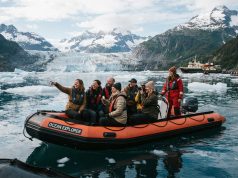
Expedition cruises for wildlife viewing go one step further by focusing on education and exploration. These voyages usually include zodiacs, naturalist talks, and flexible routes that respond to weather and sightings. For Wildlife Lovers, that adaptability can be the difference between a standard holiday and a truly exceptional journey.
Nature adventure cruises are a broader category, but they still prioritize landscapes, birdlife, and outdoor activities. They may suit travelers who want a mix of hiking, scenic sailing, and casual wildlife watching. Wildlife Lovers who are new to cruise travel often find this style easier to start with because it feels adventurous without becoming overly specialized.
Where the most memorable sightings happen
Some of the most thrilling encounters happen where ocean currents, protected habitats, and seasonal migration patterns overlap. For Wildlife Lovers, the best destinations are often those that support a wide range of species in one trip. Think of routes where whales, seabirds, marine mammals, and shorebirds can all appear in a single day.
Wildlife expedition cruises are especially rewarding in these settings because they often sail to less-visited regions. That can include icy channels, volcanic coasts, or national-park shorelines. Wildlife Lovers benefit from the smaller scale of these journeys because the crew can focus on observation rather than mass tourism.
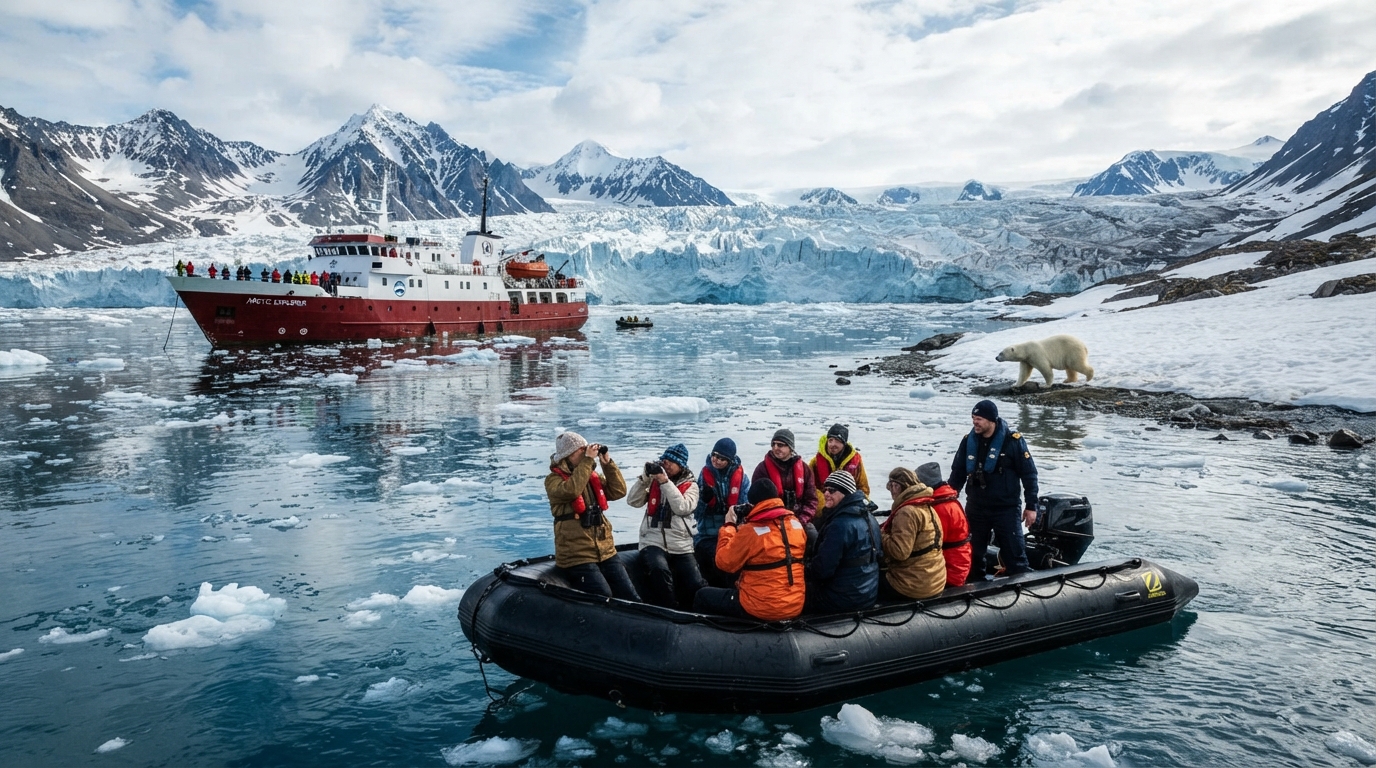
Polar wildlife cruises are at the top of many bucket lists. Antarctica, the Arctic, and sub-Arctic waters offer unforgettable encounters with penguins, whales, polar bears, walruses, and nesting seabirds. These trips are often seasonal and require more planning, but the payoff can be extraordinary. Wildlife Lovers who crave dramatic scenery and rare species will find these routes hard to beat.
Marine wildlife cruises appeal to people who love movement, sound, and the unpredictability of open water. Dolphins, humpback whales, manta rays, sea turtles, and sea lions can become the stars of the voyage. Wildlife Lovers on these routes often spend as much time on deck as they do in the cabin, especially during migration seasons.
What you can expect to see by region
Different regions create different kinds of excitement. Wildlife Lovers should think about the experience they want most. Do they want big mammals, rare birds, or underwater life? The answer helps narrow the route.
In colder waters, travelers often look for whales, seals, and seabirds. In tropical regions, coral reefs, turtles, and reef fish may dominate the experience. In island ecosystems, endemic species can become the real highlight. Wildlife Lovers often find that the best route is the one that matches their favorite type of animal rather than the most famous destination.
Some itineraries are known for wildlife photography cruises because the light, ship positioning, and long observation windows are ideal for taking pictures. Wildlife Lovers who enjoy photography should prioritize itineraries with fewer port calls and more scenic sailing time. That extra time on the water increases the chance of the right angle, the right light, and the right animal behavior.
Cruises to see whales and dolphins are among the most popular choices because these animals create emotional, unforgettable moments. A tail slap, a breach, or a bow-ride can transform an ordinary afternoon into a memory that stays forever. Wildlife Lovers often remember these encounters more vividly than any shopping stop or city tour.
How to choose the right itinerary
The best route is not always the longest or the most expensive. Wildlife Lovers should focus on the itinerary details that shape actual sightings. Look at seasonality first, because many species appear only during narrow windows. Then check the route map, tender schedules, and time spent in wildlife-rich zones.
Ask whether the cruise includes naturalists or guest experts. Wildlife Lovers usually gain more from a voyage when the team can explain animal behavior in real time. It is also worth checking the ratio of sea days to port days. Some routes spend too much time in generic ports and not enough time in habitats where animals are likely to appear.
Eco-friendly wildlife cruises deserve special attention because they help protect the places travelers come to enjoy. That may include lower-emission operations, responsible waste management, and respectful viewing rules. Wildlife Lovers who care about conservation should favor companies with transparent sustainability policies and strong community partnerships.
Activity options that increase engagement
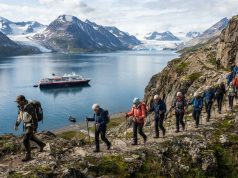
Cruises become more memorable when they include active experiences. Adventure cruises with wildlife excursions often feature kayaking, zodiac landings, guided hikes, snorkeling, or shore walks. These add depth to the trip because travelers do more than watch from a deck. They enter the environment in a careful, guided way that brings them closer to the landscape.
Wildlife Lovers often enjoy these excursions because they create variety. A morning might begin with a whale search from the ship, continue with a landing on a rocky beach, and end with a sunset lecture from a naturalist. That mix of movement and learning keeps the trip engaging and prevents the days from feeling repetitive.
It is also important to consider physical comfort. Not every excursion is demanding, and many cruise lines offer multiple activity levels. Wildlife Lovers who want the richest experience should choose an itinerary that balances accessibility and adventure. That way, the voyage remains exciting without becoming overwhelming.
Preparing for a wildlife-focused cruise
Good preparation improves every sighting. Wildlife Lovers should pack layers, waterproof outerwear, binoculars, sun protection, and a camera with extra storage. Even warm-weather routes can include wind, spray, or sudden rain, while colder itineraries may demand thermal gear and insulated gloves. The right clothing lets travelers stay outside longer, which improves the odds of seeing more wildlife.
Timing also matters. Wildlife Lovers should research the best season for the region they plan to visit. In some places, migration peaks in spring. In others, breeding season or ice conditions create the best viewing. A great ship can still deliver a weak trip if the timing is wrong. Matching the calendar to the habitat is one of the smartest decisions a traveler can make.
Booking early is often wise because the best cabins and the best seasonal departures can sell out quickly. Wildlife Lovers who know their preferred species should not wait until the last minute. Early booking can also secure better room options, stronger flight connections, and more time to plan specialty gear.
Responsible viewing and conservation
Observation should never disturb the creatures that make the journey special. Wildlife Lovers need to respect distances, follow crew instructions, and avoid loud or intrusive behavior. Good cruise teams reinforce these rules because a calm, ethical approach protects both animals and travelers. The best sightings are the ones that do not harm the environment.
Travelers should also support operators that educate guests about sustainability. Wildlife Lovers can learn whether the company works with scientists, funds conservation projects, or limits passenger impact in sensitive areas. These choices matter because the industry’s future depends on preserving the very habitats that attract visitors in the first place.
A responsible traveler leaves no trace and takes only memories. That mindset turns a personal vacation into a small act of stewardship. Wildlife Lovers who travel thoughtfully help ensure that the next generation will still be able to experience the same wonder.
Destination-specific ideas for planning
If your heart is set on icy horizons, look for routes that explore polar seas and remote islands. Those voyages often bring dramatic wildlife moments and unforgettable scenery. Wildlife Lovers who dream of penguins, seals, and giant seabirds should focus on itineraries with extended time in the field and expert-led landing programs.
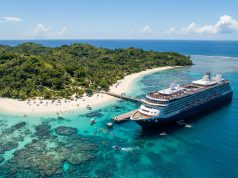
If you prefer warm water, look at tropical archipelagos, coral regions, and coastal sanctuaries. These trips are often rich in color, marine life, and relaxed exploration. Wildlife Lovers who enjoy snorkeling, island walks, and birdlife may find these itineraries easier to pair with a family vacation or anniversary trip.
If photography is the priority, choose routes with long daylight hours, calmer waters, and frequent viewing opportunities. Wildlife Lovers who want strong images should plan around lighting conditions and bring gear that can handle spray and movement. The most photogenic trips are often the ones with flexible schedules and patient guides.
What makes a voyage truly exceptional
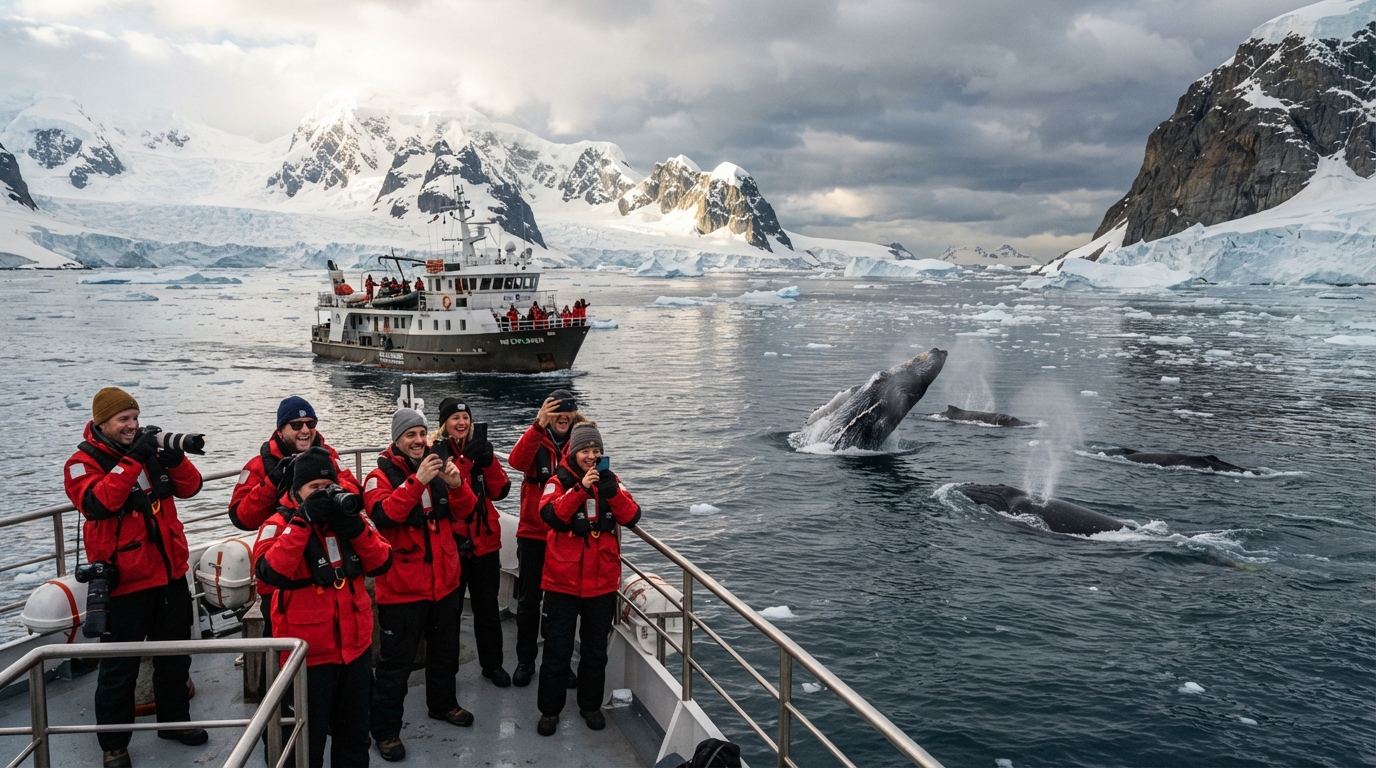
A standout trip is not defined only by the species seen. It is defined by the feeling of being present in a living landscape. Wildlife Lovers often remember the atmosphere as much as the animals: the cold air, the salt on the wind, the sound of a guide pointing out a distant fin, the hush that falls across a deck when a whale appears.
The best sailings combine curiosity, comfort, and timing. They give travelers space to observe and enough structure to learn. Wildlife Lovers should think of the cruise as both a journey and a classroom. That perspective creates realistic expectations and a richer reward.
Practical comparison table for cruise selection
| What to compare | Why it matters | Best choice for Wildlife Lovers |
| Ship size | Access and intimacy | Small or mid-size ships |
| Seasonal timing | Animal activity | Peak migration or breeding season |
| Guide quality | Learning and sightings | Naturalist-led programs |
| Excursion style | Immersion level | Zodiac, kayak, and guided landings |
| Sustainability | Long-term protection | Eco-certified or low-impact operators |
Final planning checklist
Before booking, Wildlife Lovers should review the route map, the season, the ship type, the activity level, and the company’s conservation standards. It also helps to read recent traveler reviews, especially those that mention sightings, guide quality, and cabin comfort. A great itinerary can look good on paper but still fail if the logistics are weak.
Wildlife Lovers should also decide what matters most: rare species, photography, family comfort, or active excursions. That single decision makes the search easier and prevents confusion when comparing options. The best trip is the one that matches your priorities instead of trying to satisfy every possible interest.
Conclusion
Adventure cruises offer one of the most rewarding ways to explore the natural world because they combine discovery, comfort, and education in a single experience. For Wildlife Lovers, the value lies in seeing animals in their habitats, not behind barriers or in rushed day trips. The right voyage gives you time, space, and expert guidance, which together create a deeper connection to nature. Whether you are drawn to polar ice, tropical seas, or remote islands, choose an itinerary that respects the environment and matches your travel style. With careful planning, Wildlife Lovers can turn a cruise into a meaningful journey filled with stories, sightings, and lasting memories.
FAQ 1: What is the best season for wildlife cruises?
The best season depends on the region and the species you want to see. Migration, breeding, and ice conditions all affect wildlife activity.
FAQ 2: Are wildlife cruises good for beginners?
Yes. Many itineraries are designed for first-time travelers and include expert guides, comfortable cabins, and easy viewing from the ship.
FAQ 3: Do I need special gear for a wildlife cruise?
Binoculars, layered clothing, sun protection, and a camera are helpful. Polar trips may require insulated outerwear and waterproof accessories.
FAQ 4: Are small ships better for animal sightings?
Often, yes. Smaller vessels can access narrow channels and create a quieter viewing environment, which many travelers prefer.
FAQ 5: Can I take good photos on these cruises?
Absolutely. Many trips provide excellent light, open views, and long observation windows, especially on routes known for photography.
FAQ 6: Are wildlife cruises family-friendly?
Many are, especially itineraries with moderate activity levels and shorter excursions. It depends on the destination and the ship.
FAQ 7: How do I choose a responsible operator?
Look for clear conservation policies, experienced naturalists, respectful wildlife guidelines, and transparent environmental practices.
FAQ 8: What animals can I expect to see?
It depends on the destination. Common sightings include whales, dolphins, seals, penguins, seabirds, turtles, and reef fish.
FAQ 9: Are expedition cruises worth the cost?
For travelers who value access, education, and rare sightings, expedition-style trips are often worth the higher price.
FAQ 10: How early should I book?
Booking early is best, especially for peak seasons and popular cabins. It gives you more choice and better planning time.