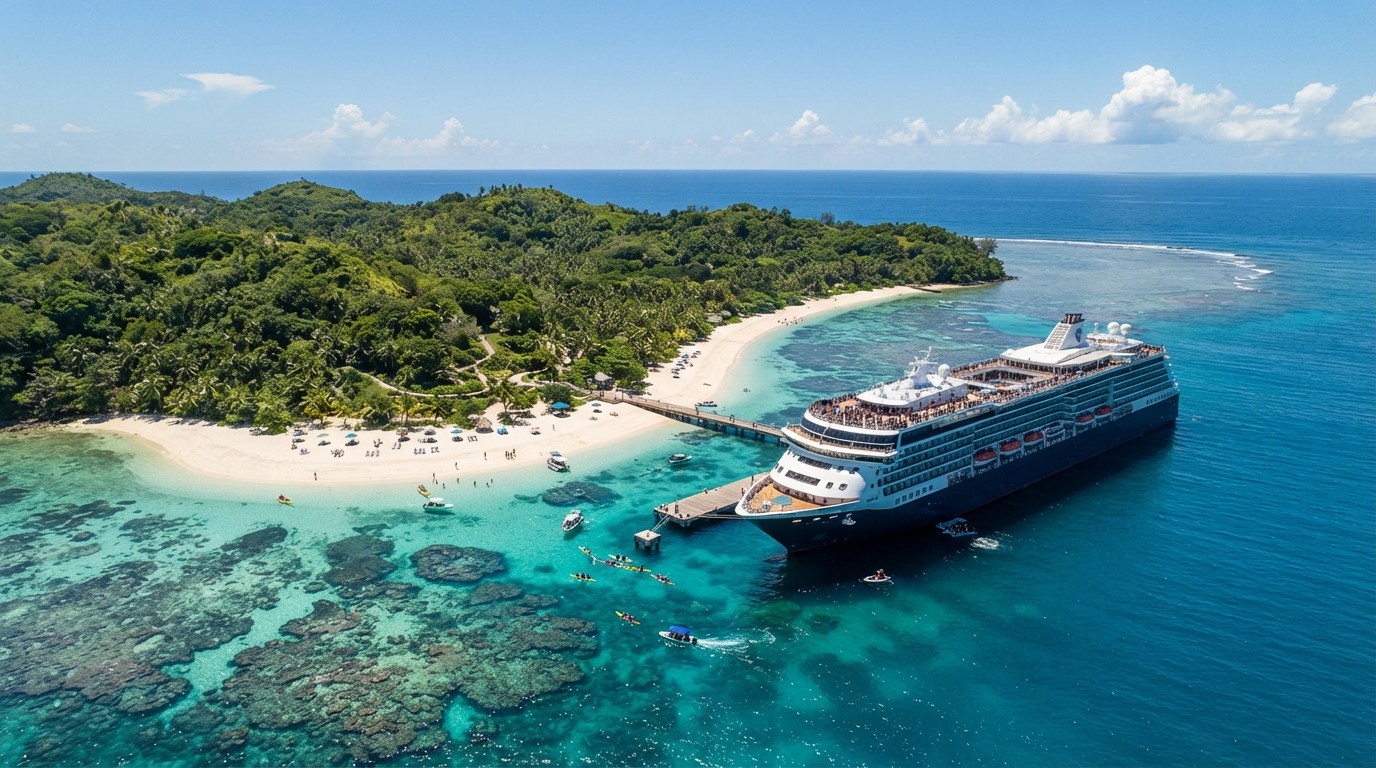
Ocean adventure cruise packages combine thrilling water-based activities, scenic destinations, and onboard luxury to create travel experiences unlike any other. This guide covers everything you need to plan yours.
Few travel experiences match the freedom of waking up to open water, stepping off a ship onto a remote island, and spending the afternoon snorkeling through coral reefs before returning to a world-class dinner onboard. Ocean adventure cruise packages deliver exactly that kind of variety — and they’ve grown significantly in popularity as travelers seek experiences that balance exploration with comfort.
The global cruise industry serves over 30 million passengers annually, and within that market, adventure-oriented itineraries are among the fastest-growing segments. Travelers are no longer content with floating from port to port. They want whale watching in Alaska, diving excursions in the Maldives, kayaking through Norwegian fjords, and zip-lining in Costa Rica — all woven into a single voyage. Ocean adventure cruise packages make this possible by bundling destination diversity, expert-led activities, and high-quality accommodations into one seamless travel plan.
This blog post breaks down everything you need to know: what ocean adventure cruise packages include, where they take you, how to choose the right one, what to expect in terms of cost, and how to get the most out of your time onboard and ashore. Whether you’re a first-time cruiser or a seasoned seafarer looking for your next big trip, you’ll find practical, detailed guidance here.
What Are Ocean Adventure Cruise Packages?
Ocean adventure cruise packages are curated travel programs that combine sea voyages with structured adventure activities at multiple destinations. Unlike standard cruises that focus primarily on relaxation and entertainment, these packages prioritize active, experience-driven itineraries.
A typical ocean adventure cruise package includes:
- Round-trip or one-way ocean voyage on a dedicated cruise ship
- Accommodation (cabin or stateroom) for the duration of the journey
- Meals and select beverages onboard
- Access to guided shore excursions and adventure activities
- Use of onboard recreational equipment and facilities
- Destination briefings and expert naturalist or adventure guides
- Port fees and taxes
Some operators also include flights, pre- and post-cruise hotel stays, and specialty equipment rentals depending on the tier of the package. The activities themselves vary enormously based on the destination — from surfing and deep-sea fishing in Hawaii to glacier hiking in Patagonia or cultural village visits in the South Pacific.
What sets ocean adventure cruise packages apart from standard vacation packages is intentional design. Every itinerary is built around meaningful interaction with the natural and cultural landscape of each port. Passengers don’t just observe — they participate.
Top Destinations for Ocean Adventure Cruise Packages
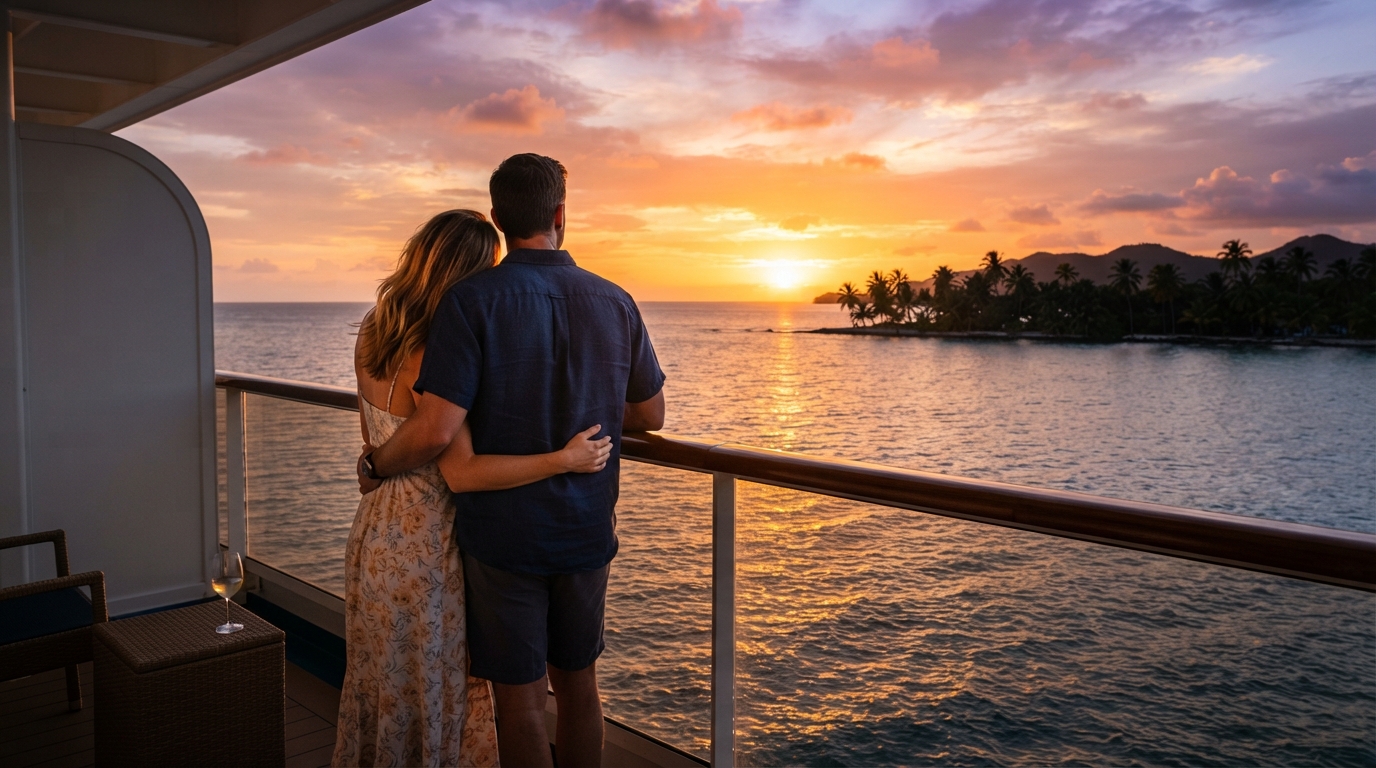
Destination is arguably the most important variable when selecting an ocean adventure cruise. The location determines what activities are available, what wildlife you’ll encounter, and what the overall character of the trip will be.
The Galápagos Islands, Ecuador
The Galápagos remain one of the most sought-after destinations for ocean adventure cruise packages globally. With strict visitor regulations limiting the number of travelers allowed ashore at any given time, small-ship expedition cruises dominate the market here. Passengers snorkel with sea lions, observe giant tortoises in their natural habitat, and hike lava fields guided by certified naturalists. Trips typically run 7 to 14 days.
Alaska, USA
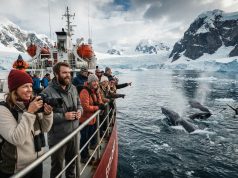
Alaska offers some of the most dramatic scenery on any ocean cruise itinerary. Glacier Bay National Park, Kenai Fjords, and the Inside Passage are cornerstones of Alaskan adventure cruises. Activities include kayaking among icebergs, whale watching, bear viewing excursions, and fly-fishing. The season runs from May through September, with peak activity in July and August.
Norwegian Fjords, Scandinavia
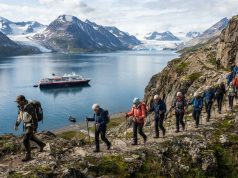
Norway’s fjords — Sognefjord, Hardangerfjord, and Geirangerfjord among them — attract travelers looking for ocean adventure cruise packages that combine natural grandeur with physical challenge. Hiking, cycling, and kayaking are all staple activities. Northern itineraries also offer opportunities for Arctic wildlife viewing and, in winter months, aurora borealis observation.
The Maldives and Indian Ocean
The Maldives is the definitive setting for ocean adventure cruise packages centered on underwater exploration. With over 1,000 coral islands and some of the world’s most biodiverse marine ecosystems, passengers can dive, freedive, and snorkel in conditions that are difficult to find anywhere else. Liveaboard dive cruises are a popular format here, with itineraries designed specifically around the best dive sites across different atolls.
Patagonia and Antarctica
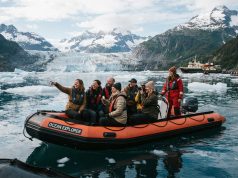
For the most extreme ocean adventure cruise packages, Patagonia and Antarctic expeditions deliver an unmatched level of remoteness and natural power. Zodiac landings on Antarctic shores, penguin colony visits, and iceberg navigation are hallmarks of these voyages. These itineraries attract serious adventurers and typically carry a premium price point.
Southeast Asia
Countries like Indonesia, the Philippines, and Thailand offer ocean adventure cruise packages with an emphasis on cultural exploration combined with water-based activities. Raja Ampat in Indonesia, for example, is globally recognized for its marine biodiversity. Cruises in this region often incorporate village visits, traditional fishing experiences, and temple excursions alongside diving and snorkeling.
Types of Ocean Adventure Cruise Packages
Not all ocean adventure cruise packages are built the same way. Understanding the key types helps travelers select an itinerary that genuinely fits their interests and fitness level.
Expedition Cruises
Expedition cruises use small, ice-strengthened or purpose-built vessels to reach remote, ecologically sensitive areas. Passenger counts are low — often 50 to 200 — which allows for more personalized experiences and better access to fragile environments. These are among the best ocean adventure cruise packages for travelers who prioritize authenticity over onboard luxury.
Liveaboard Dive Cruises
Designed specifically for scuba divers and freedivers, liveaboard cruises keep passengers close to the best dive sites by moving overnight between locations. The entire schedule is structured around dive times — typically three to four dives per day — with surface intervals used for meals and rest. These cruises prioritize function over entertainment.
Sailing Adventure Cruises
Some operators offer small sailing vessels as the primary mode of transport, combining the adventure of open-water sailing with port-based excursions. These attract travelers who want hands-on involvement in navigation and seamanship, and often serve groups of 6 to 20 passengers.
Luxury Adventure Cruises
These packages cater to travelers who want the full adventure experience without sacrificing comfort. Luxury ocean adventure cruise packages feature high-end staterooms, fine dining, spa facilities, and curated shore excursions — all within an adventure-focused itinerary. Operators like Silversea Expeditions and Ponant are well known in this category.
Family Adventure Cruises
Family-oriented packages adapt adventure activities for mixed age groups, offering age-appropriate excursions, dedicated kids’ programming, and flexible scheduling. These are designed to make ocean adventure cruise packages accessible to families traveling with children of varying ages and abilities.
What Activities Are Included in Ocean Adventure Cruise Packages?
Activities vary by destination and operator, but most adventure cruise itineraries feature a combination of the following:
|
Activity Category |
Common Examples |
|---|---|
|
Water Sports |
Snorkeling, scuba diving, kayaking, paddleboarding, surfing |
|
Wildlife Experiences |
Whale watching, birdwatching, bear viewing, penguin encounters |
|
Land Excursions |
Hiking, zip-lining, cycling, glacier trekking, volcano climbing |
|
Cultural Visits |
Village tours, local market visits, cooking classes, traditional ceremonies |
|
Marine Exploration |
Zodiac rides, glass-bottom boat tours, submarine excursions |
|
Environmental Education |
Naturalist lectures, marine biology briefings, conservation talks |
The level of physical demand ranges widely. Operators typically categorize excursions by activity level — from light (flat walking, gentle snorkeling) to moderate (multi-hour hikes, beginner kayaking) to strenuous (technical dives, multi-day trekking). When browsing adventure cruise travel experiences, check whether the operator’s activity grading system aligns with your current fitness level.
How to Choose the Right Ocean Adventure Cruise Package
Selecting the right package involves matching your expectations to the specific offering of each operator and itinerary. Here’s a structured framework for making that decision.
Define Your Adventure Priorities
Start with what matters most to you. Are you primarily interested in diving? Marine wildlife? Physical challenges? Cultural immersion? The best ocean adventure cruise packages for a marine biologist look very different from those designed for a hiking enthusiast or a family of four. Identify your top two or three activity priorities before comparing options.
Match the Destination to the Season
Every destination has a best travel window. Alaska’s peak wildlife season runs from June to August. Antarctica’s accessible window spans November to March. The Maldives offers optimal diving conditions from December to April. Booking out of season can mean missed wildlife encounters, rougher seas, or limited access to certain sites.
Evaluate Ship Size
Ship size significantly affects the experience. Large ships (2,000+ passengers) offer extensive onboard amenities but limited access to remote destinations and more regimented shore excursion logistics. Small ships (under 200 passengers) provide more flexibility, closer wildlife access, and a more intimate community atmosphere. Expedition-style ocean adventure cruise packages almost exclusively use small vessels.
Review Included vs. Extra-Cost Activities
Some packages include nearly all excursions in the base price; others charge separately for each activity. Read the inclusions carefully. A lower headline price that excludes excursions can quickly exceed the cost of a higher-priced all-inclusive package once activities are added.
Check Guide Credentials
On quality ocean adventure cruise packages, onboard naturalists, dive masters, and activity guides hold verifiable professional credentials. Look for affiliations with organizations like PADI (for diving), the International Association of Antarctica Tour Operators (IAATO), or national park service certifications relevant to the destination.
Pricing: What Do Ocean Adventure Cruise Packages Cost?
Pricing varies dramatically based on destination, ship type, duration, and included services. The table below provides a general reference range.
|
Package Type |
Duration |
Approximate Price Per Person |
|---|---|---|
|
Affordable ocean adventure cruises (Caribbean, Southeast Asia) |
7–10 days |
$1,200 – $3,500 |
|
Mid-range expedition (Alaska, Norway) |
8–14 days |
$3,500 – $7,000 |
|
Luxury ocean adventure cruise packages (Maldives, Galápagos) |
7–14 days |
$7,000 – $18,000 |
|
Polar expeditions (Antarctica, Arctic) |
10–21 days |
$8,000 – $30,000+ |
Several factors influence where your chosen itinerary falls within these ranges:
Cabin Category: Interior cabins are the most affordable; private suites with balconies command a significant premium.
Booking Timing: Early booking discounts of 10–25% are common across most operators. Last-minute availability deals also exist but offer less control over cabin selection.
Group Bookings: Groups of 8 or more often receive rate reductions or complimentary cabin upgrades.
Seasonal Pricing: Peak season itineraries cost more. Shoulder-season departures can offer meaningful savings while still delivering excellent conditions at many destinations.
For travelers focused on ocean cruise vacation packages at accessible price points, the Caribbean, parts of Southeast Asia, and the eastern Mediterranean offer quality adventure programming without the price premium of polar or Galápagos itineraries.
Top Operators Offering Ocean Adventure Cruise Packages
A number of established cruise operators specialize in adventure-oriented itineraries. Each has a distinct style, geographic focus, and price positioning.
Lindblad Expeditions
Lindblad operates in partnership with National Geographic and focuses on scientific and naturalist expedition cruises. Their ocean adventure cruise packages emphasize environmental education and conservation, with expert staff drawn from research and academic backgrounds. Primary destinations include the Galápagos, Antarctica, Alaska, and Baja California.
Silversea Expeditions
Silversea’s expedition line offers luxury ocean adventure cruise packages that combine all-inclusive ultra-luxury service with genuine expedition-style itineraries. Destinations span all seven continents, and their ships carry both Zodiacs for landing operations and full spa and fine dining facilities.
Hurtigruten Expeditions
Norway-based Hurtigruten is one of the oldest expedition cruise operators in the world. Their focus is on polar and high-latitude destinations, including Antarctica, the Arctic, Svalbard, and Greenland. They are also recognized for their sustainability commitments, operating hybrid-powered vessels on several routes.
Aqua Expeditions
Aqua specializes in intimate, small-ship ocean cruise vacation packages across Southeast Asia and the Amazon. Their vessels carry 20 to 40 passengers, with an emphasis on local culinary experiences, immersive cultural engagement, and responsible tourism practices.
G Adventures
G Adventures offers some of the most accessible ocean cruise destinations and activities across their expedition portfolio. Their small-group adventure cruises appeal to budget-conscious and mid-range travelers seeking authentic experiences without the premium pricing of ultra-luxury operators. Galápagos, Antarctica, and Costa Rica are among their featured routes.
What to Pack for an Ocean Adventure Cruise
Packing correctly makes a measurable difference to your comfort and performance during activities. Essentials include:
Technical Clothing
- Moisture-wicking base layers
- Quick-dry shorts and pants
- Lightweight waterproof jacket
- Warm mid-layer (fleece or down) for colder destinations
Footwear
- Waterproof hiking boots or trail shoes
- Water shoes or reef-safe sandals for shore landings
- Casual shoes for onboard evenings
Gear and Accessories
- Polarized sunglasses
- Wide-brim hat
- High-SPF reef-safe sunscreen
- Personal medications and motion sickness remedies
- Dry bag for protecting electronics during water activities
Electronics
- Waterproof camera or action camera (GoPro or equivalent)
- Universal power adapter
- Portable power bank
Most operators provide specialty gear such as wetsuits, snorkeling equipment, and trekking poles, but confirming what’s included before departure prevents surprises.
Onboard Experience: What to Expect Beyond the Excursions
The quality of your time onboard between excursions contributes significantly to the overall value of ocean adventure cruise packages. Modern expedition vessels typically offer:
- Dining: Restaurant-style menus featuring local ingredients sourced at ports, with dietary accommodation options
- Briefings and Lectures: Evening presentations by onboard naturalists, historians, or marine scientists preparing passengers for the next day’s activities
- Social Spaces: Lounges, observation decks, and communal dining that foster connection among fellow travelers
- Fitness Facilities: Gyms, yoga studios, and onboard wellness programming
- Connectivity: Wi-Fi access varies significantly; polar and remote itineraries often offer limited or no connectivity, which many travelers consider part of the experience
The ship itself functions as a base camp — a place to rest, debrief, eat well, and prepare for the next adventure. On the best ocean adventure cruise packages, the onboard culture is as well-designed as the shore itinerary.
Sustainability and Responsible Travel in Ocean Adventure Cruising
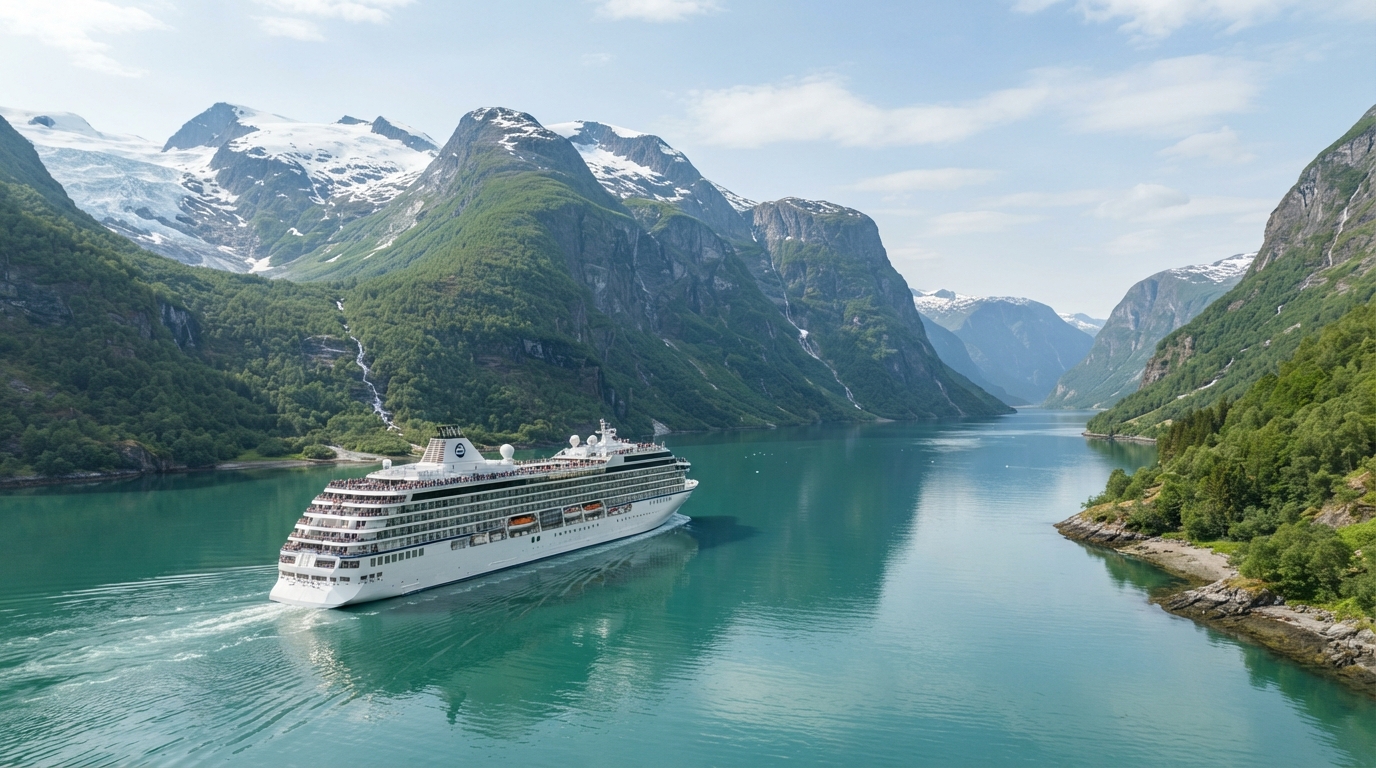
Environmental responsibility is increasingly central to how reputable operators design and market their ocean adventure cruise packages. Travelers have both an opportunity and a responsibility to ensure their choices support rather than undermine the destinations they visit.
What Responsible Operators Do
- Limit passenger-to-guide ratios during shore landings
- Adhere to IAATO or similar guidelines for wildlife interaction
- Use hybrid or low-emission propulsion systems where available
- Source food locally and minimize single-use plastics onboard
- Contribute a portion of revenue to local conservation programs
What Responsible Travelers Should Do
- Apply reef-safe sunscreen (oxybenzone and octinoxate are known to damage coral ecosystems)
- Stay on designated trails during land excursions
- Avoid purchasing wildlife products, shells, or coral at local markets
- Follow guide instructions regarding wildlife distances
- Choose operators with verifiable sustainability certifications
Certification bodies to look for include the Rainforest Alliance, the Global Sustainable Tourism Council (GSTC), and IAATO. Their standards provide meaningful benchmarks for evaluating an operator’s environmental commitment.
How to Book Ocean Adventure Cruise Packages: A Step-by-Step Guide
Step 1: Research and Shortlist
Use dedicated cruise comparison platforms (Cruiseline.com, Cruise Critic, or operator websites directly) to research itineraries aligned with your destination preferences and budget. Create a shortlist of three to five options.
Step 2: Verify Inclusions
For each shortlisted package, document exactly what is included — excursions, meals, flights, equipment, gratuities — and calculate the true total cost by adding likely extras.
Step 3: Read Independent Reviews
Cruise Critic and TripAdvisor host detailed passenger reviews organized by ship and itinerary. Pay particular attention to comments about guide quality, excursion logistics, food, and how the operator handles itinerary disruptions due to weather.
Step 4: Contact the Operator
Call or email operators directly with specific questions about activity difficulty levels, group size, cancellation policies, and what happens if weather prevents access to a planned site. The quality of their responses signals service standards.
Step 5: Book with Travel Insurance
Given the investment involved in ocean adventure cruise packages — and the unpredictable nature of travel in remote environments — comprehensive travel insurance is non-negotiable. Ensure your policy covers trip cancellation, medical evacuation, and adventure activity coverage.
Conclusion
Ocean adventure cruise packages represent one of the most complete forms of travel available — combining physical engagement, ecological wonder, cultural exposure, and the unique freedom of life at sea. From affordable ocean adventure cruises in Southeast Asia to luxury polar expeditions in Antarctica, the range of options ensures there’s a package suited to virtually every type of traveler. The key is to align your destination choice, activity priorities, and budget with an operator that has the credentials, values, and experience to deliver what they promise. With the right package, your time at sea becomes far more than a vacation — it becomes a defining experience.
Frequently Asked Questions
1. What are ocean adventure cruise packages?
Ocean adventure cruise packages are structured travel programs that combine sea voyages with guided adventure activities across multiple destinations. They typically include accommodation, meals, shore excursions, and activity equipment as part of a single booking.
2. How much do ocean adventure cruise packages cost on average?
Prices range from approximately $1,200 per person for affordable short-duration Caribbean or Southeast Asian packages to over $30,000 per person for luxury Antarctic expeditions. Duration, ship type, destination, and included activities are the primary price determinants.
3. What is the best destination for a first ocean adventure cruise?
Alaska, the Caribbean, and Norway’s fjords are commonly recommended for first-time adventure cruisers. All three offer a strong variety of activities, well-established infrastructure, and a broad range of price points.
4. Are ocean adventure cruise packages suitable for families with children?
Yes. Many operators offer family-specific ocean adventure cruise packages with age-adapted activities, flexible scheduling, and dedicated children’s programming. Confirm with the operator that the activity intensity levels are appropriate for the ages of children traveling.
5. How far in advance should I book an ocean adventure cruise?
For popular destinations like the Galápagos and Antarctica, booking 12 to 18 months in advance is advisable. Early booking typically secures better cabin selection and early-bird discounts.
6. What level of fitness is required for adventure cruise activities?
Fitness requirements vary by activity and itinerary. Most operators rate excursions from light to strenuous. Some activities — such as glacier trekking or multi-dive days — require a moderate to high baseline fitness level. Review the operator’s activity grading system before booking.
7. Do ocean adventure cruise packages include flights?
This depends on the operator and package tier. Some all-inclusive ocean adventure cruise packages incorporate international flights; others price accommodation, meals, and excursions separately from air travel. Always confirm flight inclusion at the time of inquiry.
8. What happens if weather disrupts a planned excursion?
Reputable operators build contingency plans into their itineraries and substitute alternative activities when weather prevents access to a planned site. Review the operator’s disruption policy before booking.
9. Are ocean adventure cruise packages environmentally responsible?
The best operators hold certifications from bodies like IAATO, the GSTC, or the Rainforest Alliance, and implement concrete environmental practices including passenger limits, wildlife interaction guidelines, and low-emission vessel technology. Research an operator’s sustainability credentials before committing.
10. Can solo travelers book ocean adventure cruise packages?
Yes. Many operators offer solo cabins or single-share programs that match solo travelers with a same-gender cabin partner to avoid single supplement surcharges. Expedition and small-ship cruises tend to be particularly welcoming environments for solo travelers.