Planning an expedition cruise requires careful destination research, physical preparation, appropriate gear, and understanding what separates small-ship expedition travel from conventional cruising. This cruise planning guide covers every essential step—from choosing your destination to packing your dry bag—so you can focus on the adventure ahead.
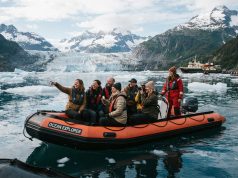
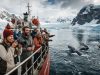
Expedition cruises are unlike any other travel experience. You’re not gliding into a port city to browse souvenir shops. You’re anchoring off an uninhabited coastline, stepping into a Zodiac inflatable boat, and landing on a glacier—or a penguin colony, or a volcanic island—with a team of scientists and naturalists by your side.
Demand for this style of travel has surged. According to the Cruise Lines International Association (CLIA), expedition and adventure cruising has been one of the fastest-growing segments of the industry, attracting travelers who want depth over comfort and discovery over routine. Yet for all its appeal, expedition cruising comes with a steep learning curve. Itineraries are complex. Gear requirements are specific. Destinations are remote. And the window for booking the most sought-after voyages—think Antarctica, the Northwest Passage, or the Galápagos—can close months or even years in advance.
This guide was built to remove the guesswork. Whether you’re narrowing down destinations, building your packing list, or trying to understand what a typical expedition day actually looks like, you’ll find practical, experience-backed answers here. Think of it as the only cruise planning guide you’ll need before you set sail into somewhere truly extraordinary.
What Is an Expedition Cruise and How Does It Differ from a Regular Cruise?
Before diving into logistics, it helps to understand what makes expedition cruising its own category of travel.
A conventional cruise prioritizes comfort and entertainment. Ships are large, often carrying thousands of passengers, and itineraries revolve around scheduled port stops with organized shore excursions. Expedition cruising inverts that model. The destination—and the experience of being in it—is the entire point.
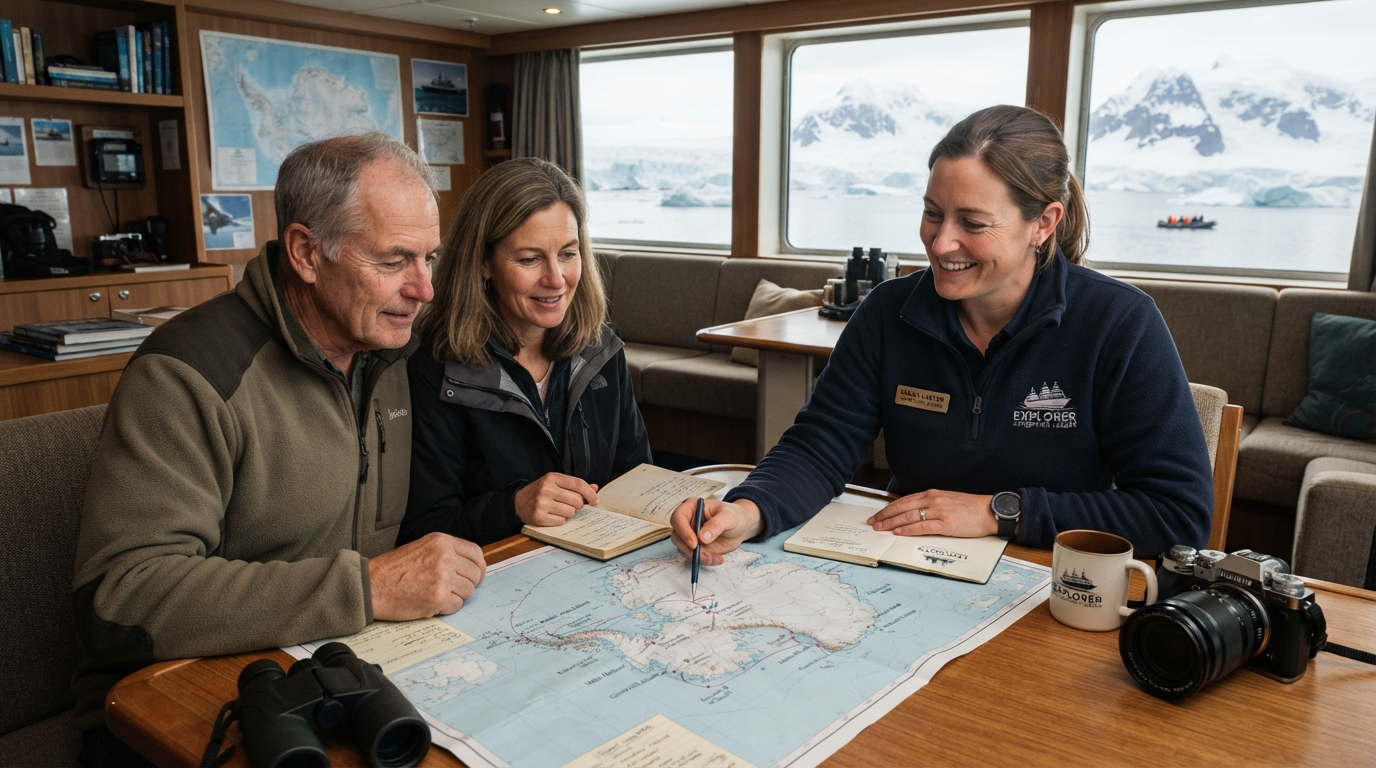
Expedition ships are deliberately small. Most carry between 100 and 200 passengers, though some ultra-intimate vessels accommodate fewer than 50. This limited capacity is what allows them to access places larger ships simply cannot reach: narrow fjords, shallow Antarctic bays, isolated island arcs in the sub-Antarctic. On board, the crew includes marine biologists, ornithologists, glaciologists, historians, and photographers who lead lectures and land excursions throughout the voyage.
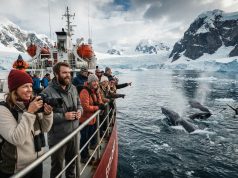
The pace is different, too. Days are structured around tides, wildlife sightings, and ice conditions—not fixed schedules. If a humpback whale surfaces at 6 a.m. or a rare bird is spotted mid-afternoon, the ship adjusts. That flexibility is both the appeal and the challenge for first-time travelers who are used to predictability.
How to Plan an Expedition Cruise Step by Step
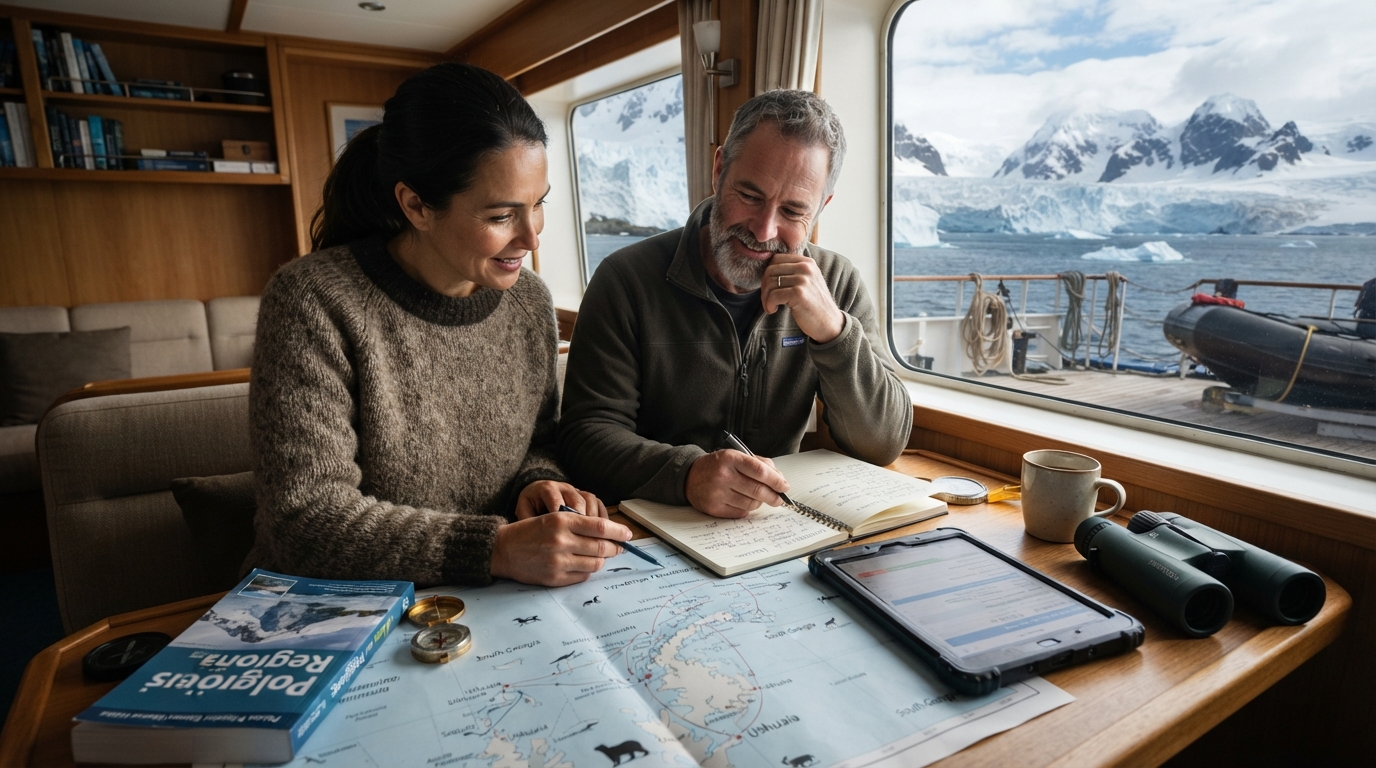
Good planning separates a stressful expedition from a seamless one. Here’s how to approach the process from the ground up.
Step 1: Define Your Goals and Travel Style
Start by asking what kind of experience you’re after. Are you drawn to wildlife photography? Ice landscapes? Indigenous cultures? Marine biodiversity? Expedition cruising spans an enormous range of environments, and the best itinerary for a birder in search of albatrosses is entirely different from the one that suits a history enthusiast retracing Shackleton’s route.
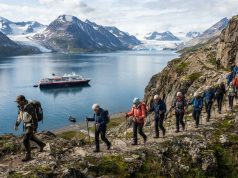
Also consider your physical fitness level honestly. Many expedition activities—Zodiac landings, hiking on uneven terrain, kayaking in cold water—require a baseline of mobility and stamina. Some itineraries include longer treks at altitude. Others are more accessible, with gentle walks and photography from the ship deck.
Step 2: Choose the Right Operator
Not all expedition cruise operators are equal. Look for lines with a strong naturalist-to-passenger ratio, a track record of sustainable practices, and vessels built specifically for polar or remote-water travel (meaning an ice-strengthened hull, rated by the Polar Code if operating in Arctic or Antarctic waters).
Well-regarded operators include Hurtigruten Expeditions, Lindblad Expeditions, Aurora Expeditions, Silversea Expeditions, and Quark Expeditions. Each has a slightly different character in terms of formality, ship size, and regional specialization—so research beyond the brochure.
Step 3: Book Early and Budget Accurately
The most popular itineraries—especially Antarctica in the peak season from November to March—sell out 12 to 18 months in advance. If you have a specific voyage in mind, booking early is not just advisable; it’s often necessary.
Budget carefully. Expedition cruises are priced at a premium, often starting at $8,000–$10,000 per person for a 10-day Antarctic voyage and climbing significantly for longer or more remote routes. That price typically includes shore excursions, onboard lectures, and meals—but flights to embarkation cities (Ushuaia, Longyearbyen, Hobart), travel insurance, and gratuities are almost always additional costs.
|
Destination |
Typical Season |
Average Duration |
Price Range (per person) |
|---|---|---|---|
|
Antarctica |
Nov–Mar |
10–21 days |
$8,000–$25,000+ |
|
Arctic (Svalbard) |
Jun–Sep |
7–14 days |
$5,000–$18,000 |
|
Galápagos Islands |
Year-round |
7–14 days |
$4,000–$12,000 |
|
Patagonia & Chile |
Oct–Apr |
8–14 days |
$4,500–$14,000 |
|
Sub-Antarctic Islands |
Oct–Mar |
14–21 days |
$10,000–$22,000+ |
|
Norwegian Fjords |
May–Sep |
7–12 days |
$3,500–$10,000 |
Best Expedition Cruise Destinations for Every Type of Traveler
Choosing where to go is, for many, the most exciting part of building a cruise planning guide around their specific interests. Here’s a breakdown of the world’s most compelling expedition destinations.
Antarctica
Antarctica is the crown jewel of expedition cruising. Nothing compares to standing on the seventh continent, surrounded by Weddell seals and Adélie penguins, with a silence so complete you can hear ice calve into the water. The classic Antarctic Peninsula itinerary departs from Ushuaia, Argentina, crosses the Drake Passage (typically 48 hours each way), and offers multiple daily landings across 10 to 14 days.
For those seeking more remote experiences, the Ross Sea—covering the far side of the continent—requires longer voyages of 21 days or more but rewards travelers with sites linked to the Heroic Age of Antarctic Exploration.
The Arctic: Svalbard, Greenland, and Beyond
The Arctic offers the rare possibility of wildlife encounters with polar bears, walruses, narwhals, and Arctic foxes—often in a single voyage. Svalbard, a Norwegian archipelago at 78° North, is the most accessible Arctic expedition destination and can be reached via commercial flight to Longyearbyen.
Greenland itineraries combine breathtaking fjord scenery with Inuit cultural history, while the legendary Northwest Passage—following the route attempted by Franklin and other 19th-century explorers—has become increasingly navigable due to reduced summer sea ice.
The Galápagos Islands
Darwin’s living laboratory remains one of the world’s most extraordinary wildlife destinations. Small ship expedition cruises are the only way to access the full archipelago meaningfully; larger vessels are restricted in the number of anchorages they can use. Expect close encounters with marine iguanas, blue-footed boobies, Galápagos tortoises, and sea lions that show no fear of humans.
Regulations in the Galápagos are strict: all excursions must be led by a licensed Galápagos naturalist guide, and visitor quotas apply at sensitive sites. These rules protect the ecosystem and, for travelers, they guarantee an uncrowded experience.
Patagonia and the Chilean Fjords
Few landscapes on Earth are as dramatic as Patagonia. Expedition voyages through the Chilean channels wind past glacier-carved fjords, cascading waterfalls, and the jagged peaks of Torres del Paine. This region suits travelers drawn to dramatic scenery as much as wildlife, and it’s increasingly popular as a standalone destination rather than a prelude to Antarctica.
Sub-Antarctic Islands
The sub-Antarctic islands—South Georgia, the Falklands, Macquarie Island, and the Auckland Islands—are among the most biologically extraordinary places on the planet. South Georgia alone hosts tens of millions of seabirds and one of the world’s largest concentrations of king penguins. These islands appear on longer itineraries (usually 18–25 days) and require expedition vessels rated for rougher Southern Ocean seas.
Expedition Cruise Travel Tips That Make a Real Difference
Experienced expedition travelers learn certain things the hard way. These tips save you from the same mistakes.
Book the right cabin for your needs. On small ships, cabin placement matters more than on large vessels. Lower deck cabins (closer to the waterline) offer a smoother ride in rough seas but may have portholes rather than windows. Higher decks have better views but more motion. If you’re prone to seasickness, lower and more central is generally better.
Get your vaccinations sorted early. Depending on your destination, yellow fever, hepatitis A and B, and typhoid vaccinations may be required or recommended. Some itineraries that include port stops in sub-Saharan Africa or South America require a yellow fever certificate. Confirm requirements with both your operator and your travel health clinic at least 3 months before departure.
Understand the Zodiac landing process. Nearly all expedition shore excursions use inflatable Zodiac boats. Getting in and out requires stepping onto an inflatable gunwale from a floating platform—a maneuver called a “wet landing” when it involves wading through shallow water. Practice good footwear hygiene: biosecurity protocols on most expedition ships require boot washing before every landing to prevent the introduction of invasive species.
Respect wildlife distance guidelines strictly. Operators follow IAATO (International Association of Antarctica Tour Operators) or equivalent body guidelines, which typically require maintaining a minimum 5-meter distance from wildlife. Animals in these environments have no natural fear of humans, which means they may approach you—but it is always your responsibility to back away, not theirs.
Manage expectations around the itinerary. Weather and ice conditions will change your schedule. Landings get canceled. New ones get added. This flexibility is a feature, not a failure. Travelers who embrace unpredictability consistently report more satisfying expeditions than those who arrive with fixed expectations.
Expedition Cruise Packing Guide: What to Bring and What to Leave at Home
Packing for an expedition cruise is a different exercise from packing for a resort holiday. Space is limited, gear is specific, and the wrong choices leave you cold, wet, or underprepared.
Layering System for Cold-Weather Expeditions
The foundation of expedition clothing is a three-layer system:
- Base layer: Moisture-wicking merino wool or synthetic fabric. Avoid cotton—it retains moisture and loses insulating properties when wet.
- Mid layer: A fleece or down jacket for insulation. A 200-weight fleece works well in Antarctic Peninsula conditions. Heavier down is better for the High Arctic.
- Outer layer: A waterproof, windproof shell jacket and pants. Many operators provide parkas and rubber boots for Zodiac landings; confirm what your operator includes before purchasing.
Essential Gear Checklist
|
Category |
Items |
|---|---|
|
Clothing |
Base layers (×3), fleece mid-layer (×2), waterproof shell jacket, waterproof pants, wool socks (×5), thermal hat, gloves (×2 pairs), buff/neck gaiter |
|
Footwear |
Rubber expedition boots (if not provided), waterproof hiking boots, camp shoes |
|
Sun Protection |
High-SPF sunscreen (UV reflects off snow and water), UV-protective sunglasses, sun hat |
|
Electronics |
Camera with extra batteries (cold drains battery life fast), waterproof case or dry bag, portable charger, universal adapter |
|
Health |
Prescription medications (with extra supply), seasickness tablets or patches, insect repellent (relevant in sub-Arctic/tropical destinations), hand sanitizer |
|
Documents |
Passport, travel insurance documents, operator contact details, vaccination certificates |
What Not to Pack
Leave heels, formal wear, and anything requiring dry cleaning at home. Most expedition ships operate a smart-casual code at dinner, but the overall atmosphere is informal. Jeans, fleece pullovers, and clean hiking pants are entirely appropriate. Luggage is usually limited to one soft-sided bag per person, so prioritize function over variety.
First-Time Expedition Cruise Guide: What to Expect on Board
If you’ve never been on an expedition cruise before, the rhythm of daily life may surprise you—in the best possible way.
A Typical Expedition Day
Days begin early. Naturalist teams often scout landing sites before sunrise, and the ship’s expedition leader briefs passengers at dinner about the following day’s program. Morning landings are common, running from roughly 8 a.m. to noon. After lunch, an afternoon landing or at-sea activity follows—kayaking, snorkeling, or a guided hike.
Evenings feature expert lectures delivered by the onboard science and expedition team. Topics range from glaciology and ornithology to the geopolitical history of Antarctica or the ecology of the Galápagos. These lectures are genuinely illuminating, not obligatory entertainment, and they deepen the meaning of what you’ve seen during the day.
The Role of the Expedition Team
The expedition team is the heart of the experience. On quality vessels, this team includes PhDs and field researchers alongside seasoned wilderness guides. They identify wildlife, contextualize landscapes, and operate the Zodiac fleet. Engaging with them—asking questions, joining their post-dinner talks—consistently earns high marks from repeat expedition travelers as the most valuable part of the experience.
Connectivity and Communication at Sea
Expect limited or expensive satellite internet. Most expedition ships offer some level of Wi-Fi, but speeds are slow and costs are high in remote regions. This is deliberate for many travelers—the disconnection is part of the draw. Notify family, employers, and essential contacts of your communication limitations before departure.
Expedition Cruise Safety Tips: Staying Safe in Remote Environments
Safety on an expedition cruise is a shared responsibility between the operator and the passenger. Understanding the protocols before you go makes compliance instinctive rather than reactive.
Medical Considerations
Expedition ships carry medical staff and basic emergency equipment, but they are not hospitals. If you have a serious pre-existing medical condition—particularly cardiac or respiratory conditions—consult your physician specifically about the demands of the destination. Some polar itineraries require a medical questionnaire as part of the booking process.
Travel insurance for expedition cruises must include emergency medical evacuation coverage. Standard travel insurance is insufficient. Medical evacuation from Antarctica or the High Arctic can cost upward of $100,000 without coverage. Specialist providers like Global Rescue or GEOS offer expedition-grade plans.
On-Shore Safety Protocols
Every landing involves a safety briefing. Comply fully, even if protocols feel overly cautious on calm days. Key rules across most expedition operators include:
- Never walk beyond the flags set by the expedition team
- Always maintain visual contact with at least one expedition staff member
- Report any wildlife encounters that feel threatening immediately
- Follow boot washing and biosecurity protocols without exception
Seasickness Management
The Drake Passage—the 800-kilometer body of water between Cape Horn and the South Shetland Islands—has a well-earned reputation. Seas of 5–8 meters are not unusual. Even experienced sailors can be affected. Prescription seasickness medications (scopolamine patches, Stugeron) are significantly more effective than over-the-counter alternatives. Consult your doctor before travel. Most ships stock medications on board, but bringing your own preferred remedy is advisable.
Small Ship Expedition Cruises: Why Size Shapes the Experience
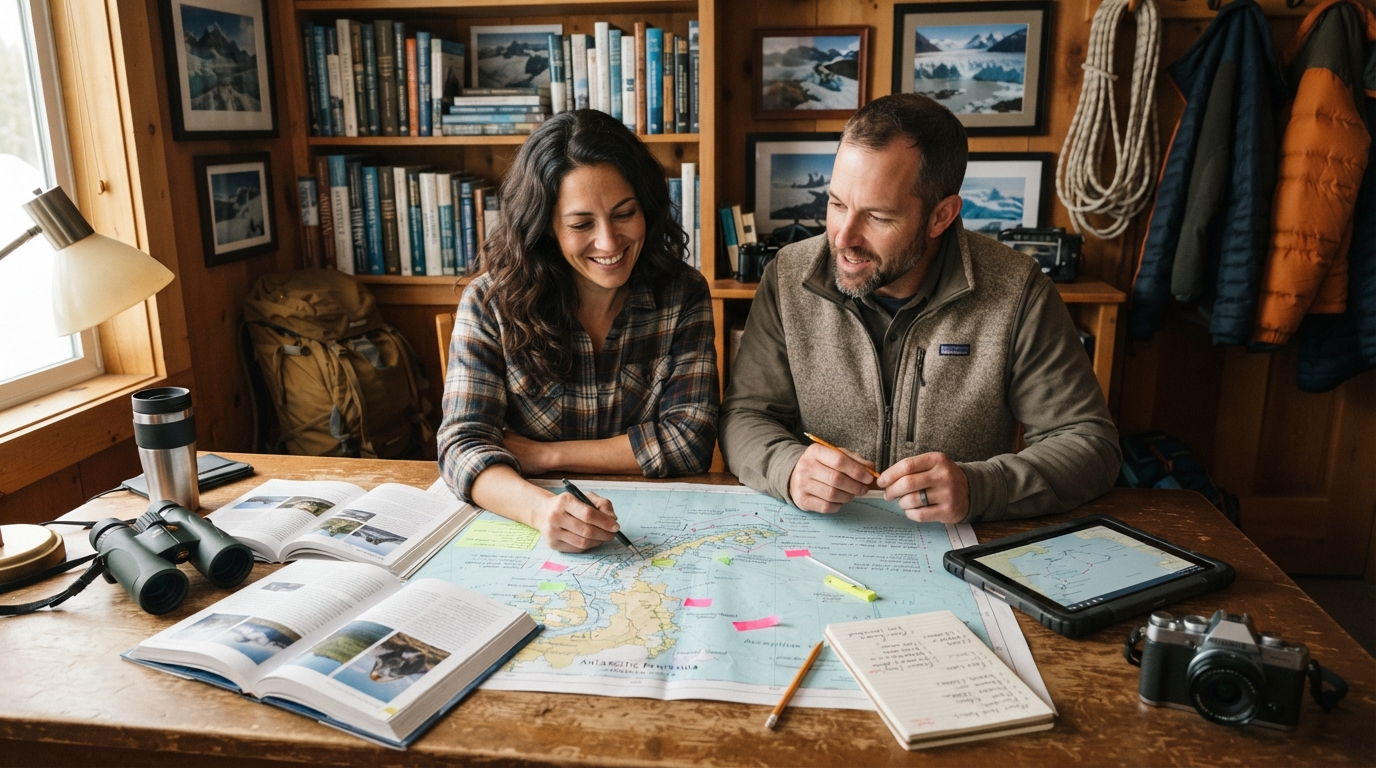
The size of your vessel is arguably the single most important variable in expedition cruising. Small ship expedition cruises, typically defined as carrying fewer than 200 passengers, offer experiences that larger ships structurally cannot.
The logistics alone are telling. IAATO guidelines cap Antarctic shore landings at 100 passengers at any one site at one time. A ship carrying 500 passengers must rotate passengers across multiple sites or leave half the group on board for every landing. A ship carrying 100 passengers can land everyone simultaneously—and spend more time doing it.
Beyond logistics, small ships create a genuine community. By day three, most passengers know each other’s names, backgrounds, and what drove them to sign up for a voyage to the ends of the earth. Shared meals, shared landings, and shared astonishment create a social texture that simply doesn’t exist on large cruise ships.
The trade-off is cost and comfort. Small expedition ships are more expensive per night, and stability in rough seas is inversely related to vessel size. But for travelers who’ve booked knowing what they’re getting into, the small-ship model consistently delivers a more immersive, more intimate, and more impactful experience.
Expedition Cruise Checklist: The Pre-Departure Essentials
Use this checklist in the weeks before you depart.
3–6 Months Before Departure
- Confirm passport validity (most destinations require 6 months beyond your return date)
- Arrange travel insurance with medical evacuation coverage
- Complete operator’s required medical questionnaire
- Book required vaccinations and health consultations
- Research and purchase any missing gear
4–8 Weeks Before Departure
- Confirm flights to and from embarkation/disembarkation ports
- Book pre- and post-voyage accommodation in embarkation city
- Download operator’s pre-departure documents and read them thoroughly
- Fill prescriptions, including seasickness medication
- Notify bank of travel dates and destination countries
1–2 Weeks Before Departure
- Pack using the layering system and gear checklist above
- Charge all electronics and label camera equipment
- Confirm airport transfers and embarkation logistics with operator
- Share detailed itinerary and emergency contact numbers with someone at home
Day of Embarkation
- Arrive at the embarkation port with sufficient buffer time (operators typically recommend 3–4 hours pre-departure)
- Attend the mandatory safety briefing and Zodiac training session
- Introduce yourself to the expedition team
The Final Word on Planning Your Expedition Cruise
Expedition cruising rewards preparation. The travelers who get the most from these voyages—who stand at the bow of a ship pushing through pack ice with no visible land in any direction and feel genuine wonder rather than anxiety—are those who arrived knowing what to expect and prepared for what they didn’t.
This cruise planning guide has covered the full arc: understanding the format, choosing a destination, selecting an operator, packing for extremes, staying safe in remote environments, and knowing what daily life actually looks like on a small expedition vessel. The goal was never to make the experience feel predictable—it isn’t, and it shouldn’t be. The goal was to ensure that when the unexpected happens (a leopard seal surfaces beneath your Zodiac, or a blizzard forces a day at sea), you’re free to experience it fully rather than manage it anxiously.
Start with your destination. Narrow your operator. Book earlier than feels necessary. Then pack light, keep your eyes open, and let the ship take you somewhere most people will never see.
Frequently Asked Questions
What is the best time of year to take an expedition cruise to Antarctica?
The Antarctic expedition season runs from November through March, corresponding to the Southern Hemisphere’s austral summer. November and December offer pristine ice landscapes and active penguin breeding colonies. January and February bring the best weather and the most accessible landing sites. March sees whale activity increase as the season closes. The “best” timing depends on your priority: ice photography, penguin chick hatching, or whale watching.
How physically fit do I need to be for an expedition cruise?
Fitness requirements vary by itinerary and activity level, but a baseline of walking ability on uneven terrain for 1–3 hours at a time is advisable for most expedition cruises. More active options—hiking, kayaking, camping on ice—require greater endurance. Most operators publish activity levels for each voyage. If you have mobility limitations, contact the operator directly—some itineraries accommodate a wider range of abilities than their marketing suggests.
Is an expedition cruise safe for solo travelers?
Yes. Expedition cruises attract a high proportion of solo travelers, and many operators offer single-occupancy cabins (often at a supplement) or solo-share cabin programs. The communal nature of small ship expedition cruises—shared meals, shared landings, shared lectures—makes solo travel socially natural. It’s one of the few travel formats where arriving alone rarely means feeling alone.
What is the difference between a polar expedition cruise and a traditional cruise?
A polar expedition cruise uses ice-strengthened vessels, carries a specialist science and naturalist team, and takes passengers to destinations inaccessible to conventional cruise ships—ice shelves, uninhabited islands, and remote coastlines. Traditional cruises prioritize comfort, entertainment, and established port towns. The passenger experience, cost, preparation, and purpose are fundamentally different.
Do I need special travel insurance for an expedition cruise?
Yes. Standard travel insurance is insufficient for remote expedition travel. You need a policy that specifically includes emergency medical evacuation, ideally with coverage up to $500,000 or higher. Evacuation from Antarctica or the High Arctic is among the most expensive emergency logistics on the planet. Specialist providers such as Global Rescue, DAN Travel Insurance, and World Nomads offer plans suitable for expedition travelers.
How do I know if a cruise operator follows responsible wildlife and environmental practices?
Look for membership in IAATO (for Antarctic travel) or adherence to Galápagos National Park regulations. Operators committed to sustainability will publish their environmental policies, passenger-to-staff ratios, and biosecurity protocols openly. Third-party certifications from bodies like EarthCheck or B Corp are also reliable indicators of genuine commitment.