Adventure cruise itinerary planning requires balancing destination priorities, activity windows, weather patterns, and logistical details. Start by defining your travel goals, research each port’s top experiences, build in buffer time, and pack according to terrain—not just temperature. This guide covers everything you need to plan a cruise adventure worth every nautical mile.
Few travel experiences match the thrill of waking up in a new destination every morning, stepping off a ship into a place you’ve never been, and knowing the next port is already on the horizon. Adventure cruising combines the freedom of exploration with the convenience of a floating base—but only if the planning behind it is solid.
Poor itinerary planning is where most adventure cruise experiences fall apart. Travelers arrive at ports without a clear plan, miss iconic experiences due to timing, or find themselves ill-equipped for the terrain. The difference between a trip that feels rushed and one that feels immersive almost always comes down to the groundwork laid before departure.
This guide walks you through every stage of adventure cruise travel planning—from choosing your destinations and mapping your route to packing the right gear and making the most of every port stop. Whether you’re eyeing the fjords of Patagonia, the wildlife-rich Galápagos, or the remote channels of Southeast Asia, the fundamentals of smart itinerary planning apply across every destination.
By the time you finish reading, you’ll have a clear framework for building a cruise itinerary that actually delivers on the adventure it promises.
What Is Adventure Cruise Itinerary Planning—and Why Does It Matter?
Adventure cruise itinerary planning is the process of mapping out your onshore and onboard experiences across multiple destinations in a structured, intentional way. It’s not just about knowing which ports you’ll visit—it’s about understanding when to go, what to prioritize, how long to spend in each location, and what to prepare for along the way.
The stakes are higher on adventure cruises than on standard leisure cruises. You’re often dealing with remote locations, wildlife-dependent timing, weather-sensitive activities, and terrain that demands physical preparation. A missed opportunity at a glacier bay or a remote island reserve can’t simply be rescheduled.
Effective itinerary planning ensures that:
- Shore excursions align with tidal windows and peak wildlife activity times
- Physical activities are matched to your fitness level and equipment
- You allocate enough time in high-priority destinations without over-scheduling lower-priority ports
- Logistics like permits, local guides, and gear rentals are arranged in advance
The earlier you start planning, the more options you’ll have—and the more likely you are to secure limited-access excursions and peak-season bookings.
How to Plan an Adventure Cruise Itinerary: A Step-by-Step Framework
Step 1: Define Your Adventure Style and Travel Goals
Before looking at any map or cruise catalog, get clear on what kind of adventure you’re after. Adventure cruising covers an enormous spectrum—from wildlife-focused expeditions in the Arctic to diving-centered routes through the Coral Triangle, kayaking journeys along the Norwegian coast, and cultural immersion trips through the islands of Melanesia.
Ask yourself:
- Do you prioritize wildlife encounters, physical challenges, cultural experiences, or natural landscapes?
- What’s your fitness level, and what level of physical activity are you comfortable with daily?
- Are you traveling solo, as a couple, with family, or as part of a group?
- How much structure do you want? Some travelers prefer guided excursions; others want unstructured port time.
Your answers will shape every decision that follows—from destination selection to daily scheduling to the gear you pack.
Step 2: Research the Best Adventure Cruise Destinations for Your Goals
The world’s best adventure cruise destinations each have their own optimal conditions, access requirements, and defining experiences. Matching the destination to your travel style is a critical part of itinerary planning.
Here’s a snapshot of major adventure cruise regions and what they offer:
|
Region |
Best For |
Peak Season |
Key Consideration |
|---|---|---|---|
|
Galápagos Islands |
Wildlife encounters, snorkeling |
June–December |
Permit-limited access; book early |
|
Norwegian Fjords |
Kayaking, hiking, scenery |
May–September |
Midnight sun; variable weather |
|
Patagonia & Antarctica |
Glaciers, extreme landscapes |
November–March |
Highly weather-dependent |
|
Southeast Asia |
Culture, diving, island-hopping |
November–April |
Monsoon season timing critical |
|
Alaska Inside Passage |
Whale watching, bear viewing |
May–September |
Wildlife timing varies by month |
|
Maldives & Lakshadweep |
Diving, snorkeling, marine life |
November–April |
Water visibility peaks in dry season |
|
Papua New Guinea |
Cultural immersion, diving |
May–October |
Remote; specialist operators needed |
Once you’ve identified your top destinations, research the specific activities available at each port—not just the headline attractions, but the secondary experiences that often become trip highlights.
Step 3: Map Your Adventure Cruise Route Strategically
Adventure cruise route planning is about more than drawing a line between ports. It involves understanding the geographic logic of the journey—how ports connect, how long transfers take, and where the natural flow of a route creates the best experience.
A few key principles for route planning:
Follow the geography, not just the highlights. A route that zigzags between destinations to hit every “must-see” can result in exhausting sea days and rushed port visits. A geographically coherent route—even if it skips one destination—often delivers a richer experience.
Front-load or back-load intense activities. If you’re planning physically demanding excursions, consider where they fall in the itinerary. Strenuous hikes or dives are better scheduled earlier in the trip when energy is high, rather than on the final days when fatigue may be a factor.
Build in buffer time. Weather delays, extended wildlife encounters, and spontaneous opportunities are part of adventure travel. Itinerary planning that leaves zero margin for the unexpected is asking for frustration. A general rule: for every five days of tightly scheduled activity, plan at least one flexible day.
Understand port access windows. Many adventure destinations have strict landing time limits, especially in environmentally protected zones like the Galápagos or Antarctic Peninsula. Check these limits during the planning stage—not on arrival.
Step 4: Prioritize Shore Excursions and Book Early
Once your route is mapped, it’s time to work through each port and identify your priority excursions. Not every port deserves equal time or attention—part of smart itinerary planning is knowing where to invest.
Create a tiered list for each destination:
- Tier 1: Non-negotiable experiences. Book these as far in advance as possible—they fill fast.
- Tier 2: High-interest activities that would enhance the trip but aren’t essential.
- Tier 3: Nice-to-have, low-effort stops that can be done spontaneously or skipped if energy is low.
When booking excursions, always check:
- Whether the activity requires advance permits (common in national parks, marine reserves, and UNESCO sites)
- Physical requirements and fitness ratings
- What’s included vs. what requires additional gear or fees
- Cancellation policies, especially for weather-dependent activities
Adventure cruise travel planning requires thinking ahead. Some excursions—like kayaking tours in Norwegian fjords, private wildlife guides in the Galápagos, or night dives in the Coral Sea—can sell out six months or more before departure.
Step 5: Understand Seasonal and Weather Factors for Each Destination
Weather is the single biggest variable in adventure cruising, and it affects far more than comfort. It determines which activities are available, whether certain ports are accessible, and how wildlife behavior aligns with your visit.
Each destination has its own seasonal rhythms. In Alaska, humpback whale concentrations peak in July and August. In the Galápagos, the cool, nutrient-rich waters of the garúa season (June to November) attract more marine life but bring misty conditions. Norway’s fjords offer calmer seas and longer daylight in summer, while spring and autumn bring dramatic storm light and fewer crowds.
Research the specific month of your trip—not just the general season. Conditions in early June can differ significantly from late August in the same destination.
Also account for onboard weather considerations. Open-deck wildlife spotting, Zodiac landings, and kayaking are all weather-dependent. A flexible itinerary with alternative activities on rough days makes for a more resilient trip.
Best Adventure Cruise Destinations: Regional Planning Guides
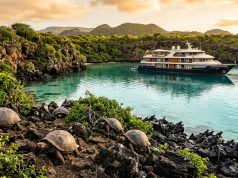
Planning an Adventure Cruise in the Galápagos Islands
The Galápagos Islands represent one of the most tightly regulated adventure cruise destinations on the planet. The Ecuadorian government limits the number of vessels and passengers permitted in the reserve at any given time, which means itinerary planning must begin well before you’d expect.
Key planning notes:
- All visitors must travel with a certified Galápagos naturalist guide
- Itinerary routes are approved by the Galápagos National Park Directorate—individual ships follow designated routes
- Book at least six to twelve months in advance for peak season (June–December)
- Snorkeling with sea lions, giant tortoises at breeding centers, and bird colonies on Española Island are signature experiences
The two main island groupings—western and eastern—offer different wildlife concentrations. Western islands like Fernandina and Isabela are known for flightless cormorants and marine iguanas; eastern islands like San Cristóbal offer the best chances of seeing whale sharks. When comparing routes, consider which wildlife experiences matter most to you.
Planning a Norwegian Fjords Adventure Cruise
Norway’s fjords offer adventure cruise travel planning challenges that are seasonal but very manageable with the right preparation. The main season runs May through September, with June and July offering the longest daylight hours (up to 24 hours in the far north during summer solstice).
Key planning notes:
- Kayaking excursions in fjords like Nærøyfjord and Sognefjord require calm conditions—morning departures are typically best
- Hiking to viewpoints like Preikestolen (Pulpit Rock) and Trolltunga requires moderate to high fitness
- The UNESCO-listed western fjords can be visited independently or via guided excursion—both are viable
- September offers dramatic autumn foliage and fewer crowds, though some activities begin to wind down
For hikers, the most critical planning decision is whether to schedule Preikestolen or Trolltunga—the latter requires a full day and should not be attempted without proper footwear and weather assessment.
Planning an Antarctica or Patagonia Adventure Cruise
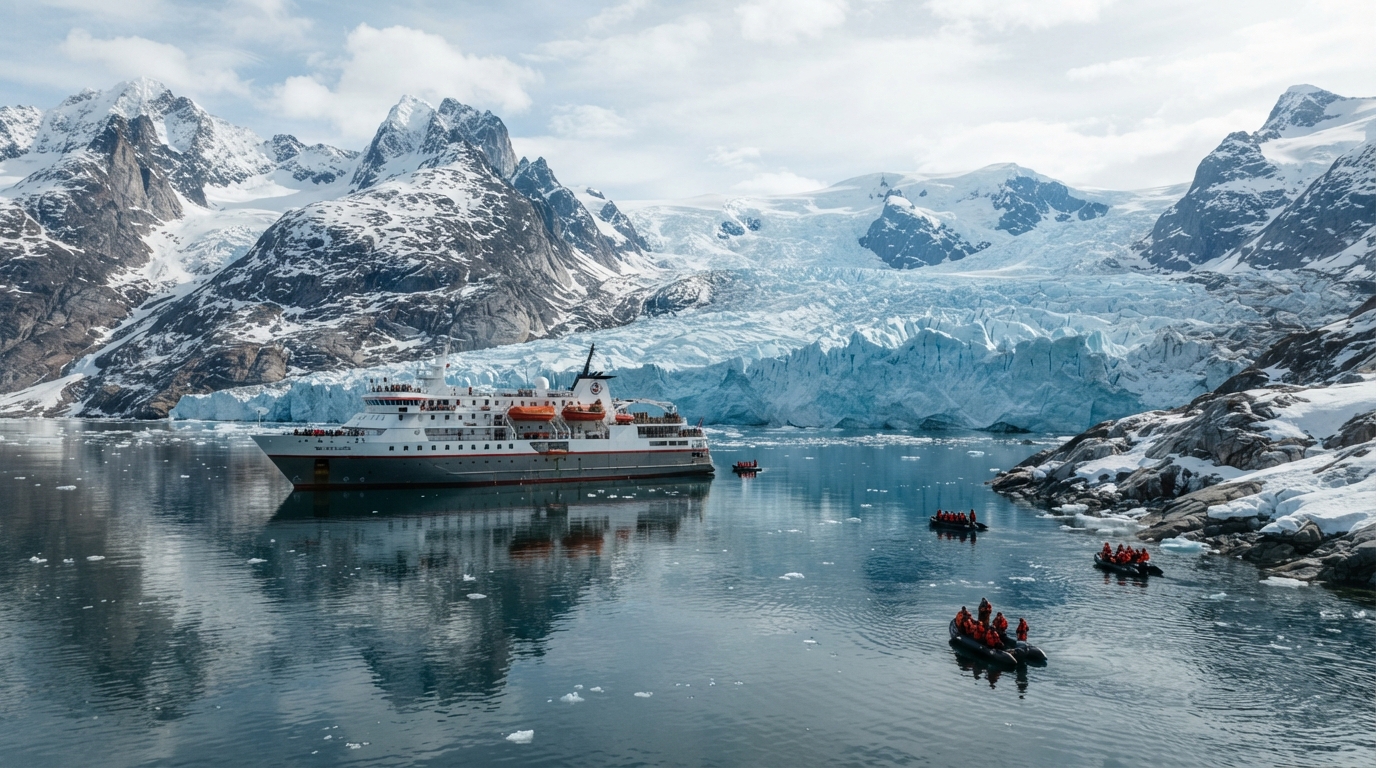
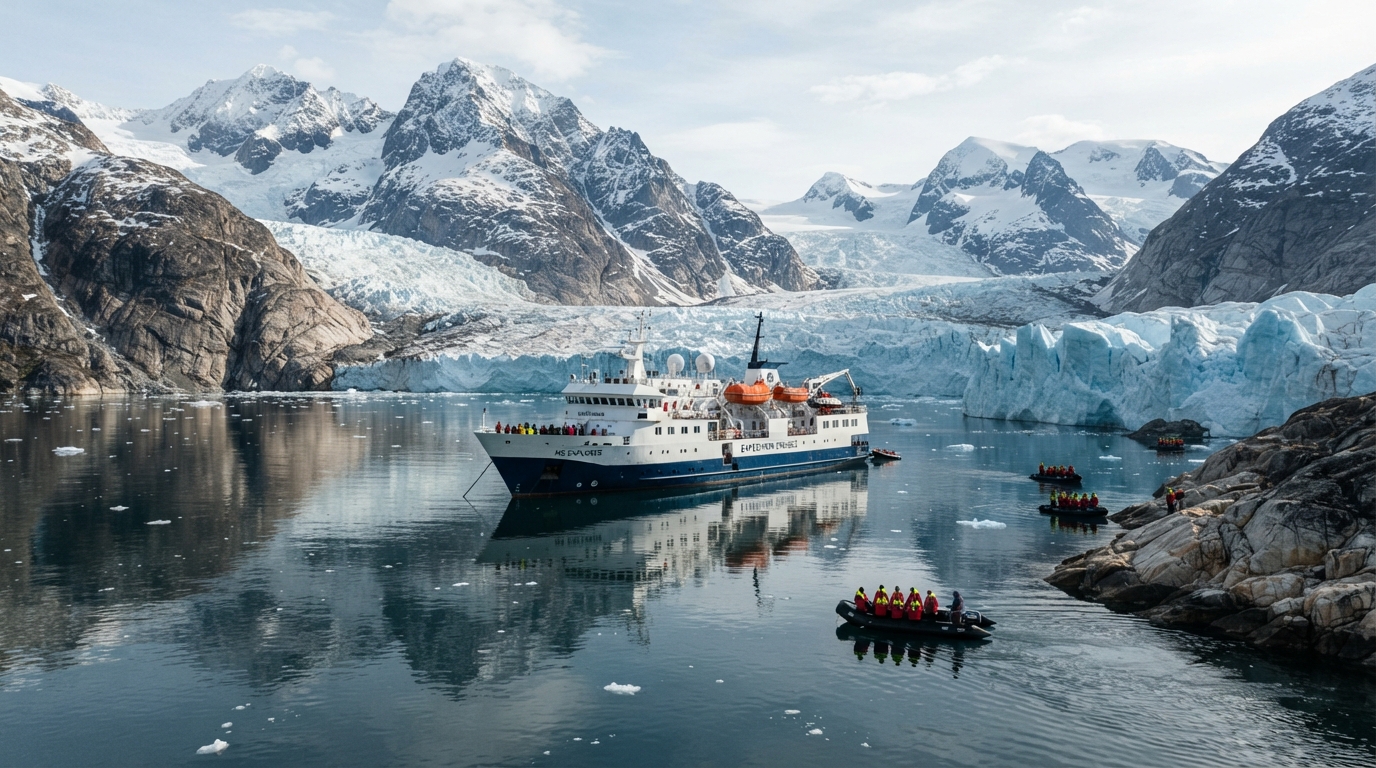
These destinations sit at the end of adventure cruise route planning complexity. Antarctica is accessible only during the Southern Hemisphere summer (November to March), and every landing is subject to International Association of Antarctica Tour Operators (IAATO) regulations.
Key planning notes:
- Landings are limited to 100 passengers at a time on shore
- All shore visits must be supervised by trained expedition staff
- The Drake Passage crossing can take two full days and involves significant sea conditions—motion sickness preparation is essential
- Patagonia itineraries often combine fjords, glaciers, and cultural stops in Chilean and Argentine Tierra del Fuego
The November to mid-December window offers the best chances of sea ice and penguin colony activity near breeding season. January to February brings peak penguin chick activity and more stable weather. Late February and March see declining light but quieter conditions.
Adventure Cruise Packing Guide: What to Bring for Every Destination
Packing for an adventure cruise is fundamentally different from packing for a resort holiday. Space is limited onboard, conditions vary significantly between destinations, and the wrong gear can make a challenging excursion genuinely unpleasant.
Clothing and Layering System
The foundation of smart adventure cruise packing is a layering system that adapts to changing conditions—not a suitcase full of single-use outfits.
Base layer: Moisture-wicking thermal underlayers for cold-weather destinations; lightweight merino wool works across a wide range of climates.
Mid layer: Fleece or down insulation for cold climates; lightweight long-sleeve shirts for tropical destinations where sun protection matters more than warmth.
Outer layer: A waterproof, windproof shell jacket is non-negotiable for polar, fjord, or open-ocean destinations. In tropical regions, a lightweight rain jacket handles afternoon downpours.
Footwear: Waterproof hiking boots for terrain-heavy itineraries; water shoes or reef shoes for tropical snorkeling destinations. Many expedition ships provide rubber Wellington boots for wet landings—confirm this with your operator before packing your own.
Activity-Specific Gear
|
Activity |
Essential Gear |
|---|---|
|
Hiking |
Trekking poles, moisture-wicking socks, gaiters (for muddy terrain) |
|
Snorkeling/Diving |
Prescription mask (if needed), rash guard, reef-safe sunscreen |
|
Kayaking |
Dry bag, paddling gloves, quick-dry layers |
|
Wildlife Photography |
Telephoto lens (200–600mm), stabilizing strap, protective case |
|
Cold Climate Landings |
Balaclava, insulated waterproof gloves, hand warmers |
Health, Safety, and Documentation
Adventure cruise travel planning must include health and safety preparation. Required vaccinations vary by destination—yellow fever vaccination is mandatory for entry into some equatorial countries, and antimalarial medication is recommended for parts of Southeast Asia and Melanesia.
Always carry:
- A comprehensive first-aid kit with blister treatment, seasickness medication, and any prescription medications in sufficient supply
- Waterproof document pouches for passports, visas, and insurance cards
- Travel insurance that covers emergency medical evacuation—this is non-negotiable for remote adventure destinations
Adventure Cruise Travel Tips: Making the Most of Every Port
Arrive at Ports With a Plan, Not Just Good Intentions
The single most common mistake in adventure cruise travel planning is treating port days as improvised. Ships typically spend six to twelve hours at each destination—a window that disappears fast if you’re making decisions on arrival.
Before each port day, know your Tier 1 priority, have a backup plan if weather disrupts it, and identify a meeting point and return time. Brief fellow travelers if you’re exploring together.
Respect Environmental and Cultural Protocols
Adventure destinations often carry strict environmental regulations for good reason. Stay on designated trails in ecologically sensitive areas. Follow guide instructions on wildlife approach distances—these are set by scientific research, not arbitrary rules. In cultural destinations, research local customs and dress codes before arriving at port.
Use Onboard Expertise
Expedition vessels typically carry naturalists, marine biologists, historians, and regional specialists as part of their staff. These experts hold invaluable local knowledge that no travel guide fully replicates. Attend onboard briefings, ask questions, and use these resources—they’re one of the defining advantages of adventure cruising over independent travel.
Balance Activity with Recovery
Multi-week adventure itineraries are physically and mentally demanding. Itinerary planning that schedules intense activities back-to-back without recovery time often leads to exhaustion by the midpoint of a trip. Alternate high-activity days with lower-intensity port visits or sea days spent on deck and in onboard presentations.
Common Adventure Cruise Planning Mistakes to Avoid
|
Mistake |
Why It Matters |
How to Avoid It |
|---|---|---|
|
Booking excursions too late |
Popular activities sell out months ahead |
Book Tier 1 excursions immediately after booking the cruise |
|
Ignoring fitness requirements |
Some excursions have minimum fitness levels |
Review activity ratings and prepare physically before departure |
|
Overpacking gear |
Cabin storage is limited |
Use a packing list, focus on versatile layering |
|
Underestimating weather variability |
Conditions change rapidly in polar and maritime environments |
Pack for worst-case weather; check forecasts daily onboard |
|
Skipping travel insurance |
Medical evacuations from remote areas cost tens of thousands |
Purchase comprehensive adventure travel insurance at booking |
|
Not researching permit requirements |
Some destinations require booking of access permits |
Check permit requirements at least three months before departure |
Build Your Adventure Cruise Itinerary With Confidence
Adventure cruising rewards those who prepare—not those who arrive hoping for the best. The gap between an average trip and an extraordinary one often comes down to how well the itinerary was built before anyone set foot on a ship.
Start with your travel goals. Match them to the right destination and season. Build a route that flows geographically and leaves room for the unexpected. Book your priority excursions early, pack smart, and use every onboard resource available to you.
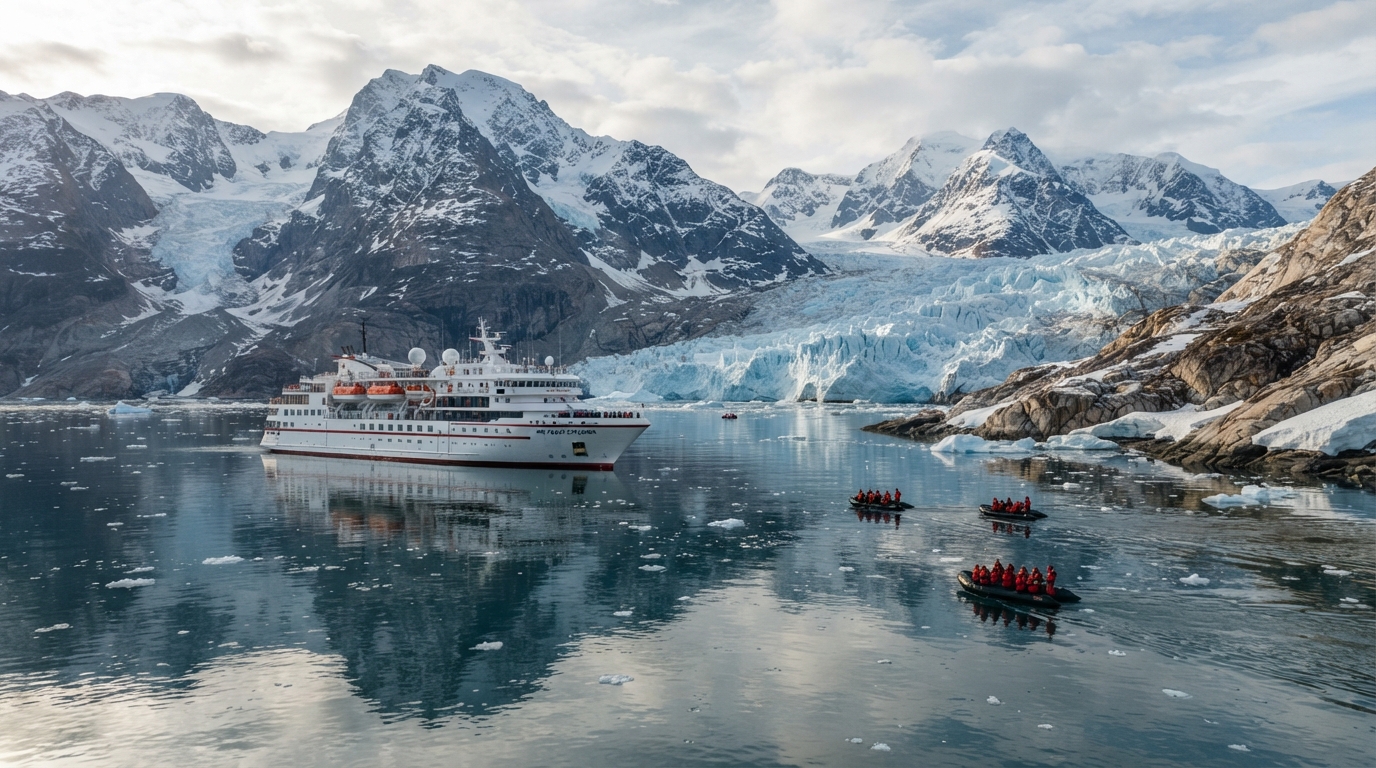
The world’s most extraordinary places—glaciers calving into silent bays, sea lions surfacing alongside kayaks, ancient cultural sites accessible only by ship—are all waiting. The planning just ensures you’re ready when they appear.
Frequently Asked Questions
How far in advance should I start adventure cruise itinerary planning?
Start planning at least six to twelve months before your departure date. For high-demand destinations like the Galápagos, Antarctica, or peak-season Norwegian fjords, twelve to eighteen months of lead time is advisable. This ensures availability for limited-access excursions, permits, and preferred cabin categories.
What is the best time of year for adventure cruise travel planning?
The best time depends entirely on your chosen destination. Alaska and Norway peak in May through September; Antarctica and Patagonia are accessible only from November to March; Southeast Asia and the Maldives are best visited during the dry season from November to April. Always research destination-specific seasonal windows rather than general travel seasons.
How many ports should an adventure cruise itinerary include per week?
A sustainable pace for adventure cruising is two to three meaningful port stops per week, with sea days or lower-intensity days in between. Itineraries that schedule six or seven active port days per week without recovery time often result in traveler fatigue and diminished enjoyment.
Do I need travel insurance for adventure cruise travel?
Yes—comprehensive travel insurance is essential for adventure cruising. Policies should include emergency medical evacuation coverage, which can cost upwards of $50,000 USD in remote destinations. Standard travel insurance often excludes high-risk activities; ensure your policy specifically covers the activities on your itinerary.
What physical preparation is recommended before an adventure cruise?
The required preparation depends on your itinerary. For hike-heavy routes like the Norwegian fjords or Patagonia, build cardiovascular fitness and leg strength at least eight weeks before departure. For snorkeling or diving itineraries, ensure your swimming fitness is adequate and consider a refresher dive course if you haven’t dived recently.
Can I customize an adventure cruise itinerary, or are routes fixed?
Most expedition and small-ship adventure cruise operators offer semi-flexible itineraries that adapt to weather and wildlife conditions in real time. While the broad route and port sequence are set, experienced expedition leaders often adjust landing sites, activity schedules, and timing based on conditions on the day. This flexibility is a feature—not a limitation—of adventure cruising.
What documents do I need for an adventure cruise in protected areas?
Requirements vary by destination. The Galápagos requires a Transit Control Card (issued at Ecuador entry) and a national park entry fee. Antarctica requires compliance with IAATO regulations but no individual permits for passengers. Some Southeast Asian marine reserves require advance dive permits. Always check the specific entry requirements for each destination on your itinerary at least three months before departure.