
Pet-friendly travel allows owners to explore destinations with their pets while ensuring safety, comfort, and enjoyment. With proper planning, gear, and awareness of travel rules, pets can safely join adventures, strengthening bonds and creating memorable shared experiences.
Traveling with your four-legged companion has evolved into a vibrant trend that enriches both human and pet lives in today’s digital landscape. More pet owners are seeking opportunities to explore new destinations without leaving their beloved animals behind. Whether you share your life with a curious cat or an energetic dog, embarking on a journey together fosters unforgettable memories and strengthens the human-animal bond. However, successful pet-friendly travel requires careful preparation, from selecting accommodations that welcome furry guests to assembling essential supplies and understanding local regulations.
Why Pet-Friendly Travel Matters
Embracing pet-friendly travel offers more than just the convenience of having your companion with you—it nurtures emotional well-being and creates deeper connections. Studies indicate that engaging in new experiences with pets can lower stress levels and boost dopamine production, contributing to a sense of shared joy. When you invite your animal into novel settings—whether strolling along a beach at sunrise or exploring a forest trail—you’re enriching their life and reinforcing mutual trust.
Leaving a pet behind often triggers guilt and anxiety for both owner and animal. Separation can lead to behavioral issues such as excessive barking, destructive chewing, or social withdrawal. By opting for pet-friendly travel, you reduce separation-related stress and maintain your pet’s routine, which supports their mental health. In addition, many destinations now recognize the rising demand for animal-inclusive services, rolling out special amenities like dog parks, pet menus, and on-site pet sitters.
Beyond emotional perks, pet-friendly travel also unlocks opportunities for social interaction. Meeting fellow travelers at dog-friendly cafés or joining community events such as adoption fairs or agility demonstrations fosters a sense of camaraderie and belonging. These shared experiences not only benefit your pet but also expand your social circle in fascinating ways. When organizations such as the American Veterinary Medical Association highlight the importance of enriched routines, it’s clear that integrating pets into our adventures elevates overall travel satisfaction.
Choosing Pet-Welcoming Lodging
Finding the perfect place to stay is a critical first step in pet-friendly travel. The market today offers a wide range of options, from boutique hotels that cater exclusively to animal lovers to cozy vacation rentals where pets roam free. To ensure comfort and compliance, conduct thorough research before booking.
Research Pet Policies
Not every property labeled “pet-friendly” provides the same level of service. Some establishments impose strict weight limits, restrict the number of pets, or charge nonrefundable pet fees. Before reserving, verify:
- The maximum number of pets allowed per room and any breed restrictions.
- Details on refundable deposits, extra cleaning charges, or required vaccinations.
- Access to common areas such as lobbies, pools, and on-site restaurants.
Reading guest reviews on platforms like Booking.com or Tripadvisor can reveal how reliably a hotel honors its pet policy and whether staff members are genuinely welcoming.
Consider Alternative Lodging
For a more personalized experience, vacation rentals and niche accommodations are excellent choices. Websites like Airbnb and Vrbo let you filter listings by pet-friendly status and often include hosts’ local recommendations for veterinarians, groomers, and dog parks. You might stumble upon unique stays—such as geodesic domes, countryside yurts, or rustic cabins—that grant privacy and freedom for both you and your pet.
If you prefer a communal vibe, some campgrounds and glamping sites welcome animals on leashes, offering open spaces and opportunities for morning hikes. Regardless of your selection, communicate directly with hosts to confirm yard size, walking routes, and proximity to emergency vet services.
Transportation Strategies for Pets
Transporting your pet safely demands planning. Each mode of travel—car, train, bus, or airplane—carries unique considerations. Preparing in advance reduces stress for you and ensures a comfortable journey.
Road Trips by Car
Driving is often the least restrictive option. To maximize safety:
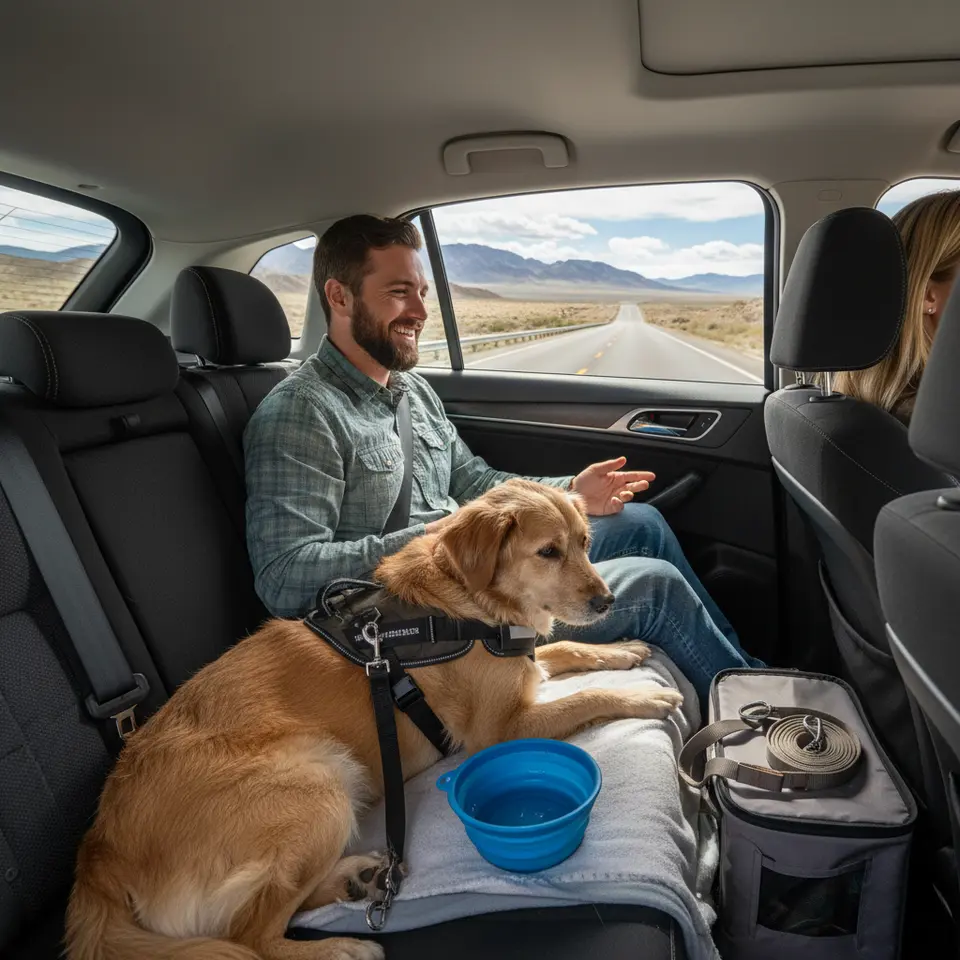
- Use a Secure Restraint: Invest in a crash-tested crate or a vehicle-specific harness that anchors to the seat belt. This prevents sudden movements during braking and protects both pet and passengers.
- Schedule Regular Breaks: Aim for a pit stop every 2–3 hours to let your companion stretch, hydrate, and relieve themselves. Stretching promotes circulation and reduces anxiety.
- Maintain Climate Control: Avoid leaving pets unattended in a parked vehicle. Even mild temperatures inside a car can escalate quickly, posing serious health risks.
Trains and Buses
Public transit policies differ by carrier. Before booking, confirm weight restrictions and kennel size allowances. Some rail services provide pet-specific compartments that offer privacy and comfort. Always carry:
- A valid health certificate and vaccination records.
- Identification tags with current contact details.
- A familiar blanket or toy to soothe nervous pets.
Air Travel
Flying requires adherence to strict regulations set by the International Air Transport Association (IATA). Steps to streamline the flight experience include:
- Choose an Approved Carrier: Ensure your pet’s crate meets airline specifications for size, ventilation, and security.
- Crate Conditioning: Introduce your pet to the travel kennel weeks before departure, rewarding calm behavior inside the crate.
- Visit the Vet: Obtain a health certificate within 10 days of travel. Confirm any regional requirements, as outlined by the Centers for Disease Control and Prevention, to prevent last-minute complications.
- Avoid Sedatives: Most airlines prohibit sedation due to altitude-related breathing concerns. Discuss natural calming alternatives with your veterinarian.
Essential Gear for Pet Travel
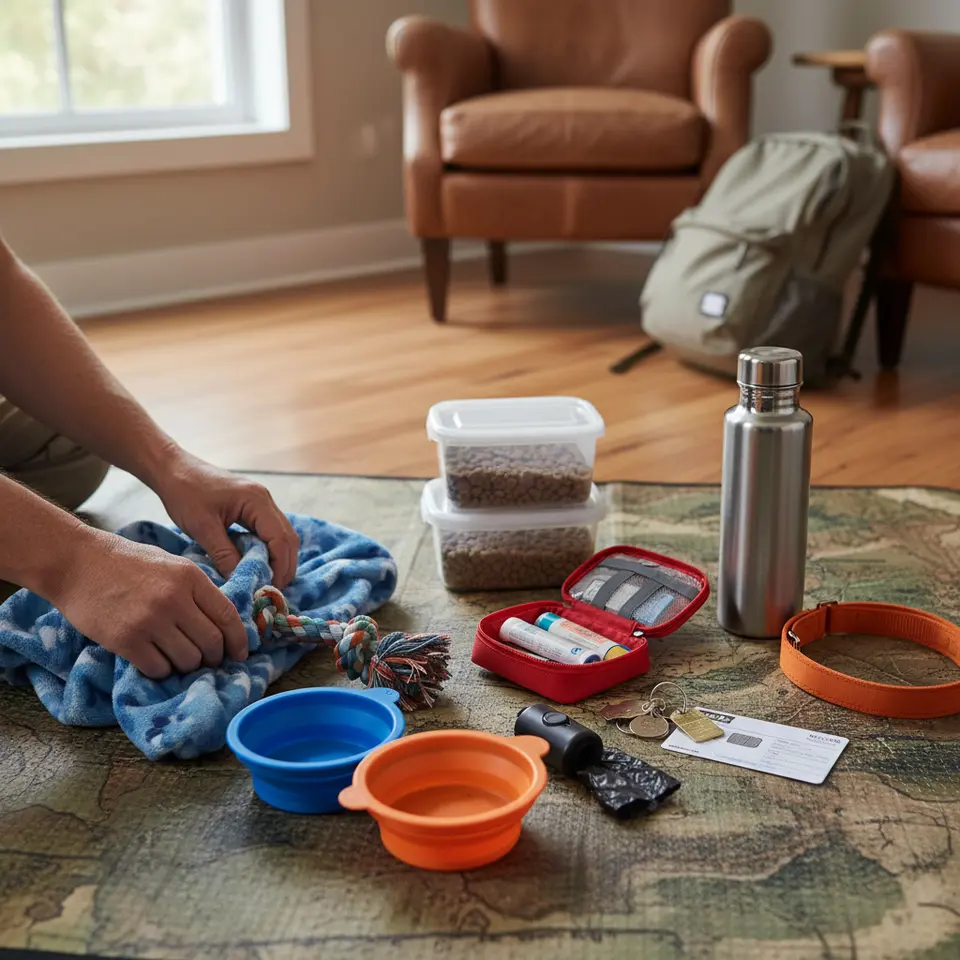
Packing with foresight transforms a chaotic outing into a smooth adventure. Beyond basic food and water, these items ensure comfort, safety, and convenience for your traveling companion.
Feeding and Hydration Supplies
- Collapsible Bowls & Bottles: Lightweight, packable dishes save space and facilitate quick meals on the road.
- Measured Portion Containers: Pre-portion your pet’s kibble or wet food to maintain consistent feeding routines.
First-Aid and Emergency Kit
- Portable First-Aid Kit: Include bandages, antiseptic wipes, tweezers, and any prescription medications your pet requires.
- Emergency Contacts: List 24/7 veterinary clinics along your route, plus poison control hotlines and your regular vet’s mobile number.
Identification and Safety
- ID Tags & Microchip: Ensure tags display up-to-date contact information. If traveling internationally, verify microchip compatibility with local scanners.
- Reflective Gear: For evening walks, attach reflective collars or vests to boost visibility.
Comfort Items and Cleanup Supplies
- Familiar Blankets & Toys: Bringing a favorite item from home helps your pet acclimate to new surroundings.
- Waste Bags & Cleaning Products: Practice Leave No Trace principles by promptly removing pet waste and wiping up any accidents.
Health Protocols and Memorable Activities
Ensuring your pet’s well-being and curating fun experiences are twin pillars of successful pet-friendly travel. This section covers veterinary preparations, legal considerations, budgeting tips, and ideas for bonding activities.
Veterinary Preparations and Documentation
- Vaccinations & Preventives: Confirm your pet’s immunizations are current, especially for rabies and region-specific diseases like bordetella. Flea, tick, and heartworm preventives remain essential year-round.
- Health Certificates: Many jurisdictions require a certificate issued within 10 days of travel. Digital copies stored on your phone complement physical documents.
- Pet Insurance: An international policy that covers emergency vet visits alleviates financial stress if accidents occur.
- Local Laws & Etiquette: Research leash regulations and public-space bylaws. Some areas mandate muzzles or restrict off-leash activities. Respecting signage avoids fines and fosters goodwill with residents.
Budget-Friendly Planning
Travel costs can rise when you add pet fees and specialty services. To manage expenses:
- Book directly with hotels to negotiate waived pet deposits or complimentary upgrades.
- Redeem loyalty points on pet-friendly room options.
- Compare vehicle rental policies to find companies with reasonable pet-cleaning fees.
- Prepare simple homemade meals for your pet using local ingredients instead of specialty pet foods.
Planning Fun, Pet-Inclusive Activities
Your itinerary should balance relaxation, exploration, and social enrichment. Ideas include:
- Off-Leash Beaches & Parks: Seek state or national parks that designate specific areas for unleashed play. Always check posted rules first.
- Outdoor Cafés & Breweries: Many establishments feature pet-friendly patios with water bowls and treats.
- Guided Pet Tours: From winery excursions to historic walking tours, specialized operators accommodate animals and provide engaging commentary.
- Local Pet Events: Doggy yoga, adoption fairs, and agility competitions offer interactive fun for pets and owners alike.
- Top Destinations: Cities such as Portland, Oregon; Vancouver, Canada; and Amsterdam consistently rank high for pet services, open spaces, and welcoming communities.
Pet Health and Emergency Preparedness While Traveling
Keeping your pet healthy on the road is essential for a stress-free journey. Always carry a copy of vaccination records, health certificates, and your vet’s contact information. Research nearby veterinary clinics along your route in case of emergencies. A compact pet first-aid kit with bandages, antiseptic wipes, and any prescribed medication is also crucial. Watch for signs of stress, overheating, or dehydration during travel. Being prepared ensures quick response to unexpected situations and keeps your pet safe throughout the trip.
Training Your Pet for Travel Readiness
Proper training can make pet-friendly travel significantly easier. Before your trip, gradually introduce your pet to carriers, harnesses, or car rides to build comfort and reduce anxiety. Practice short trips first, increasing duration over time. Reward calm behavior with treats to create positive associations. Teaching basic commands like “stay” and “settle” also helps maintain control in unfamiliar environments. A well-trained pet is more adaptable, making travel smoother and more enjoyable for both of you.
Pet-Friendly Etiquette and Responsible Travel
Responsible pet ownership is key when traveling. Always clean up after your pet, keep them leashed in public areas, and respect local rules and signage. Avoid allowing pets to disturb wildlife or other travelers. Not all people or animals are comfortable around pets, so maintaining control is important. Following proper etiquette helps ensure that destinations remain welcoming to pet owners in the future. Being respectful creates a positive image for the entire pet-travel community.
Seasonal Travel Considerations for Pets
Different seasons affect how you should plan pet-friendly travel. In summer, avoid overheating by traveling early or late in the day and ensuring constant hydration. In winter, protect pets with warm clothing and limit exposure to extreme cold. Rainy seasons may require waterproof gear and paw protection. Each climate presents unique challenges, so adjusting your packing and schedule accordingly ensures your pet stays comfortable and healthy throughout the journey.
Frequently Asked Questions
1. What is pet-friendly travel?
Pet-friendly travel means planning trips where pets are allowed and welcomed in accommodations, transport, and attractions, ensuring a safe and enjoyable experience for both owners and animals.
2. How do I prepare my pet for travel?
Start with vet checkups, updated vaccinations, and training your pet to stay calm in carriers or vehicles. Gradual exposure to travel environments helps reduce stress.
3. What should I pack for pet-friendly travel?
Essentials include food, water, collapsible bowls, leash, waste bags, first-aid kit, bedding, toys, and copies of vaccination and ID records.
4. Are all hotels truly pet-friendly?
Not always. Some hotels have breed restrictions, size limits, or extra fees. Always confirm policies before booking to avoid issues at check-in.
5. How can I keep my pet safe during car travel?
Use a secured crate or seatbelt harness, avoid letting pets roam freely, maintain ventilation, and take breaks every few hours.
6. Can pets travel on airplanes safely?
Yes, but airlines have strict rules regarding crate size, health certificates, and breed restrictions. Always check airline policies before booking.
7. How do I reduce travel anxiety in pets?
Bring familiar items like blankets and toys, maintain routine feeding times, and ensure a calm environment throughout the journey.
8. What are the best pet-friendly travel destinations?
Popular destinations include Portland, Vancouver, Amsterdam, and other cities with parks, pet cafés, and outdoor-friendly spaces.
9. Do pets need travel insurance?
Pet travel insurance is recommended for covering unexpected vet emergencies, accidents, or illness during trips.
10. Are there legal rules for traveling with pets?
Yes. Different countries and states have rules about vaccinations, microchipping, leash laws, and quarantine requirements that must be followed.
Conclusion
Embarking on a journey with your furry friend transforms an ordinary trip into an extraordinary shared adventure. In today’s travel landscape, pet-friendly travel has become a mainstream expectation, with accommodations, transport providers, and attractions adapting to support animal-inclusive experiences. By following the guidelines outlined in this guide—researching lodging policies, planning safe transit, packing essential gear, adhering to health requirements, and selecting engaging activities—you’ll minimize stress and maximize enjoyment for both you and your pet.
As you prepare for your next getaway in this year, remember that flexibility and foresight are your greatest allies. Embrace the spontaneity that comes with exploring new places alongside your companion, and rest assured that with the right approach, every destination can become a home away from home. Pack the leash, fill up those collapsible bowls, and set out on a pawsome adventure that you’ll both cherish forever.