
In today’s digital landscape, exploring the world alongside your furry, feathered, or scaly companion has become increasingly popular. If you have ever considered traveling with pets, you may wonder how to balance adventure with comfort, safety, and smooth logistics. This year (2026), pet owners are more empowered than ever by online resources, support networks, and pet-friendly services catering to diverse travel styles. Whether you plan a scenic road trip through national parks, a weekend retreat at a seaside cabin, or an urban discovery tour, thorough advance planning is crucial to ensure a stress-free experience for both you and your pet.
From securing the right travel documentation to selecting accommodations that welcome animal guests, every detail matters when embarking on a pet-friendly journey. In this comprehensive guide, you’ll find expert advice on trip preparation, transportation options, essential packing items, health and safety measures, and ways to create memorable experiences without compromising your companion’s well-being. Throughout, we’ll reference trusted authorities to help you verify requirements for vaccinations, health certificates, and local regulations. By following these recommendations, you can turn your next getaway into a true bonding experience, making lasting memories with the one who greets you at the door with a wagging tail or excited chirp.
Ready to learn how to transform your travel plans into a pet-friendly adventure? Let’s dive into the key steps that will guide you through an enjoyable, organized, and secure trip with your beloved animal friend.
Preparing for a Pet-Friendly Journey
Researching Destinations and Regulations
When traveling with pets, a successful trip begins by selecting destinations that openly welcome animals and have infrastructure to support them. Start by compiling a list of potential locations and reviewing local ordinances regarding leash laws, breed restrictions, and vaccination requirements. Official government sites, such as the Animal and Plant Health Inspection Service (USDA APHIS Pet Travel) and the Centers for Disease Control and Prevention (CDC Pet Importation), provide up-to-date guidance on quarantine rules, microchip standards, and paperwork essentials. By verifying regulations weeks in advance, you avoid last-minute surprises and ensure a smoother boarding or border-crossing process.
Scheduling Veterinary Checkpoints
Consulting your veterinarian is imperative when planning travel with pets. Ideally, arrange an appointment at least six weeks before departure to administer any required vaccinations, update parasite prevention, and obtain a comprehensive health certificate. Modern clinics often issue digital documents that are recognized by most airlines and lodging providers. Discuss your pet’s temperament around unfamiliar environments and explore options for calming aids or behavior modification if anxiety is a concern. Recording all treatments in a travel binder—either digital or physical—prepares you for checkpoints and emergencies.
Building an Emergency Plan
Even with meticulous planning, unforeseen events can occur. Craft an emergency roadmap that lists veterinary hospitals along your route and near your destination. Apps like Pet First Aid by the American Red Cross can be lifesaving references for on-the-spot assistance. Store contact numbers, addresses, and hours of operation in a single file accessible via smartphone. Additionally, identify a local pet-sitting or boarding service capable of accommodating last-minute changes if you need temporary care for your companion. This proactive approach ensures you can focus on enjoying the adventure rather than fretting over contingencies.
Assessing Seasonal and Climate Considerations
Understanding weather patterns and seasonal changes is vital when traveling with pets. High temperatures can lead to heatstroke, while cold snaps may require protective gear for your companion. Research average conditions for your travel dates and plan activities during cooler parts of the day to prevent overheating or hypothermia. If you intend to visit high-altitude areas, learn about altitude sickness symptoms in animals and gradually acclimate your pet to elevation at safe intervals.
Budgeting and Timeline Preparation
Embedding pet-related expenses into your travel budget is crucial. Anticipate costs for health certificates, carrier fees, pet deposits at accommodations, and additional cleaning charges. Factor in contingency funds for unexpected veterinary care or unplanned route diversions. Create a timeline that sequences everything from pre-trip vet visits to gear acquisition and reservation deadlines. This structured approach to traveling with pets allows you to track commitments in a project-management style, reducing overlooked tasks or budget overruns.
Selecting Pet-Friendly Accommodations and Transportation
Choosing the Right Lodging
When traveling with pets, the accommodation you select can define the ease of your trip. Many hotels, inns, and vacation rentals now advertise pet amenities such as dog parks, on-site pet sitters, and in-room beds. Use specialized search filters on platforms like Airbnb or Booking.com to narrow options by size and breed allowances. Always review property policies for additional fees, security deposits, or restrictions on pet access to common areas. For campers, designated pet-friendly campsites often provide fenced play areas and waste disposal stations. By verifying these details ahead of time, you’ll avoid surprises and ensure both you and your companion have the comforts you need.
Understanding Transportation Options
Certain modes of transport demand more preparation when traveling with pets. For road trips, securing a crash-tested harness or airline-approved carrier in the back seat enhances safety and reduces distraction. Plan rest stops every two to three hours for exercise, hydration, and bathroom breaks. If air travel is necessary, each airline has distinct crate dimensions, health certificate mandates, and seasonal embargoes to protect animals from extreme temperatures. Cargo holds can be stressful, so many travelers choose to fly their pets in the cabin when possible. Train and ferry services may also allow pets under specified conditions—always verify policies well in advance to align with your itinerary.
Tips for Seamless Transitions
Consistency is key when shifting between accommodation and transport modes. Introduce carriers or harnesses at home to build familiarity before departure. Label crates with your contact information, destination address, and a “Live Animal” tag to minimize handling errors. Keep collars and identification tags on at all times, especially during check-in or boarding processes. At each new stop, establish a brief routine—perfect your pet’s meal, bathroom, and walk schedule quickly to reduce stress. With this reliable structure, your companion will adapt more readily to changing environments during the journey.
Leveraging Pet Transport Services
When direct travel with pets isn’t practical, professional pet transport companies can bridge the gap. These services specialize in door-to-door relocation, ensuring climate-controlled transit, GPS tracking, and personalized care. While premium in cost, they can reduce the physical and emotional strain on both owner and animal, especially for international or cross-country moves. Before selecting a provider, confirm accreditation with organizations like the International Pet and Animal Transportation Association (IPATA) and review customer testimonials to assess reliability and safety standards.
Engaging Amenities and Extras
Finally, explore pet-friendly extras to enhance the experience. Some lodgings offer grooming stations, pet-friendly room service, or even activity planners that can schedule hikes or beach outings. Apps and membership programs, such as BringFido or Rover, provide curated lists of dog-friendly restaurants, parks, and events near your location. By integrating these services into your plan, you transform mere lodging and transport into an immersive, stress-free adventure for both you and your pet.
Packing Essentials and Comfort Items

Constructing a Comprehensive Travel Kit
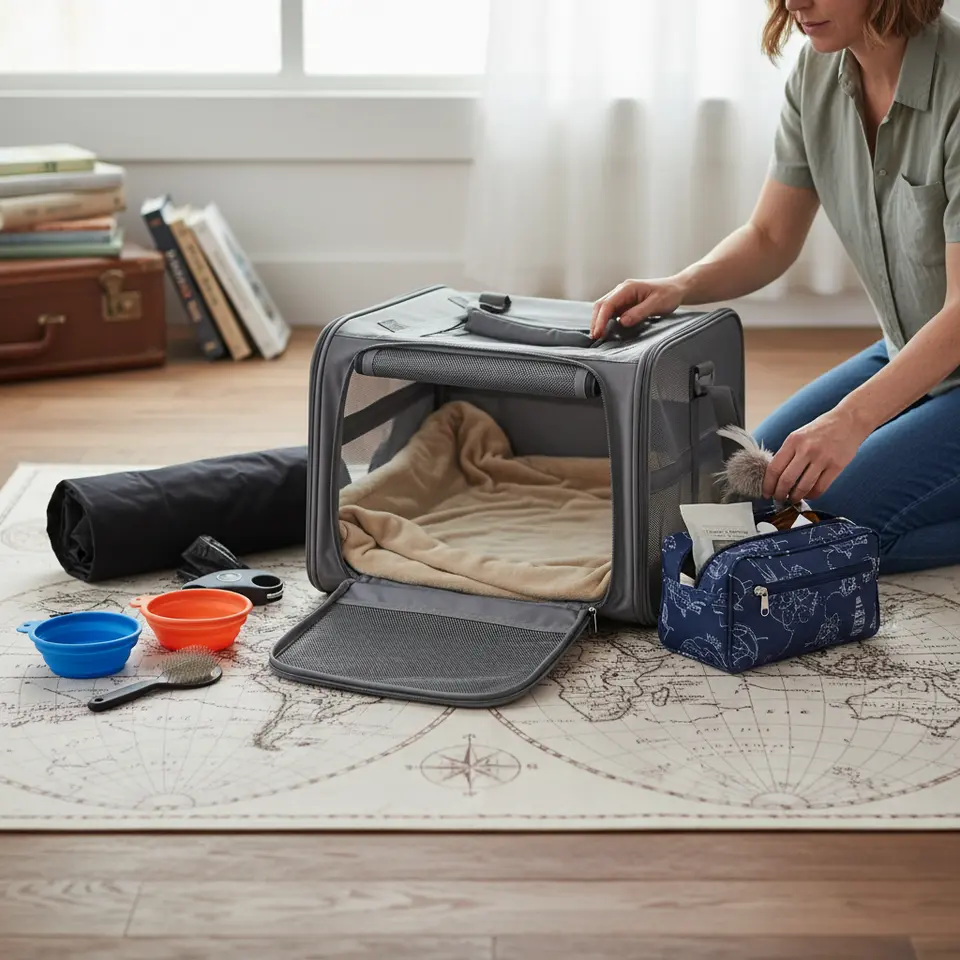
Create a dedicated travel kit before traveling with pets to ensure you have everything at hand. Start with sturdy, airline-approved carriers or car-friendly travel crates that offer proper ventilation and secure closures. Include collapsible water and food bowls, waste bags, and a portable litter box for feline travelers. A waterproof storage bag for leashes, harnesses, and collars keeps gear organized. Don’t forget grooming tools like brushes or combs, especially for long-haired companions who may mat in unfamiliar climates.
Food, Water, and Feeding Supplies
Maintaining your pet’s regular diet during travel minimizes stomach upset and maintains energy levels. Pack pre-measured portions in resealable containers to streamline meal times. If your route includes unpredictable delays, carry a few extra servings beyond the planned duration. Provide fresh water throughout the trip and consider a portable water filtration bottle if you plan to explore rural areas. Your pet’s digestive system will thank you for consistent feeding schedules and familiar flavors.
Comfort Objects and Anxiety Aids
Items that remind your pet of home can ease anxiety when traveling with pets. Bring along a favorite blanket, toy, or a worn t-shirt carrying your scent. Pheromone sprays or calming treats can further reduce stress, especially during vehicle rides or inside strange rooms. For particularly nervous travelers, speak with your veterinarian about natural supplements or lightweight anxiety wraps that offer gentle pressure akin to a reassuring hug.
First-Aid and Medication Management
As you travel with pets, prioritize health by packing a first-aid kit tailored to animal needs. Include antiseptic wipes, bandages, tweezers for tick removal, and digital thermometers. Store prescription medications in labeled pill organizers and keep dosage instructions readily available. A copy of your pet’s medical records—vaccination history, medication list, and emergency contacts—should be part of this kit. Storing duplicates digitally on a secure cloud platform ensures you can access them even if physical copies are lost.
Document and Identification Essentials
Finally, prepare all travel documents in a single folder or digital repository. Include health certificates, proof of microchipping, vaccination records, and any import/export permits. Secure your pet’s collar tags with updated contact information and consider a GPS-enabled tracker for extra peace of mind. When traveling with pets, having these details readily available at check-ins or border crossings will save time and reduce stress.
Treats and Positive Reinforcement
Packing small, easy-to-distribute treats helps reinforce calm behavior during transitions. Use treats sparingly to avoid digestive issues, and choose options with simple ingredients. Incorporate treat time into potty breaks or post-transport moments to create positive associations with each leg of the journey.
Prioritizing Health and Safety
Preventative Veterinary Care
Before setting off on any itinerary, confirm that your companion’s vaccines are current and discuss region-specific prophylaxis with your veterinarian. Some destinations may require rabies, distemper, or leptospirosis boosters within a defined timeframe. Keep your vet’s contact details and clinic hours saved on your phone. In today’s digital landscape, many practices offer virtual consultations for non-emergency concerns, allowing you to address minor health questions without leaving your lodging.
Parasite Prevention and Environmental Risks
Ticks, fleas, and mosquitoes pose significant threats when traveling with pets. Explore recommended products such as collars, spot-on treatments, or oral medications tailored to your pet’s size and species. Research tick prevalence in wooded or grassy areas and apply prevention before departure. To validate product efficacy and safety, refer to guidelines published by institutions like the University of California, Davis Veterinary Medicine Program (UC Davis Vet Med). Conduct regular checks of your pet’s coat, especially after outdoor excursions.
Temperature and Weather Precautions
Heatstroke and hypothermia are real hazards when traveling with pets. Avoid midday sun exposure by scheduling walks and playtime during cooler hours. In cooler climates, pack insulated jackets, booties, and a waterproof wrap. Always monitor your pet for signs of discomfort—excessive panting, shivering, or reluctance to move. Portable temperature indicators attached to carriers can help you maintain a safe environment inside vehicles or hotel rooms.
Identification and Microchipping
Effective identification can be a lifesaver if your pet becomes separated from you during an outing. Affix a durable, engraved tag to your pet’s collar with your current phone number and travel address. Microchipping provides an additional layer of security; ensure the chip is ISO-compliant and registered with up-to-date owner information. Many animal shelters and veterinary clinics worldwide can scan for microchips, increasing the chance of a quick reunion.
Routine Monitoring and Stress Management
Throughout your travels with pets, observe your companion’s behavior and appetite. Quiet periods may indicate stress or discomfort, so incorporate gentle activities such as short walks or massage to recalibrate their emotional state. Record any unusual symptoms and consult with a local veterinarian if concerns arise. Setting aside restful downtime in your daily schedule helps prevent overstimulation and fosters a balanced, enjoyable adventure for both of you.
Emergency Preparedness and Insurance
Consider enrolling in a pet travel insurance plan to cover unexpected medical costs, evacuation, or accommodation changes in emergencies. Research providers that specifically cater to traveling with pets and review coverage limits, exclusions, and claim processes. Keeping this insurance information with your other documents ensures you can quickly initiate support if the need arises.
Maximizing Experiences While Staying Mindful
Finding Pet-Friendly Attractions
Exploring new environments can be fun for both you and your companion when traveling with pets. Many national and state parks welcome leashed animals on designated trails, allowing opportunities for scenic hikes. Coastal regions often designate specific beaches or hours for canine access. Urban centers may feature pet-friendly cafes, dog parks, and cultural sites that permit well-mannered animals. Use platforms like BringFido or the Outdoor Dogs Trailfinder to curate a list of attractions tailored to your pet’s energy level and interests.
Local Etiquette and Regulations
Differing regions impose unique rules regarding waste disposal, leash lengths, and noise control. Always carry sufficient waste bags and dispose of them in designated bins. Respect posted signage, maintain voice control if your pet is prone to barking, and never allow animals to interact with wildlife without supervision. When dining outdoors, seek venues with outdoor seating areas that explicitly welcome pets. Demonstrating courtesy ensures continued access to these amenities for future travelers.
Balancing Activity and Rest
An action-packed itinerary may seem appealing, but traveling with pets requires strategic pacing to avoid exhaustion. Alternate periods of exploration with designated rest breaks, where you and your companion can hydrate, snack, and relax. In-room downtime is essential; set aside 30 to 60 minutes of quiet play or grooming to help your pet decompress. Tailoring activity levels to your pet’s age, breed, and health status optimizes enjoyment and minimizes overexertion.
Budgeting for a Smooth Trip
Financial planning is a cornerstone of stress-free pet travel. Itemize costs such as pet fees for hotels and vacation rentals, additional cleaning charges, transportation surcharges, and any necessary veterinary visits. Allocate funds for emergency care and unanticipated delays. Some travelers find value in pet travel insurance, which can offset high medical expenses or logistical complications. Maintaining a clear budget helps you concentrate on making memories rather than worrying about expenses.
Utilizing Pet-Centric Resources
Leverage specialized apps and online forums when traveling with pets. Forums hosted by organizations like the American Kennel Club (AKC) provide real-time insights into regional pet trends, facilities, and recommendations. Membership programs may offer discounts on lodging, training, or veterinary services. Engaging with local pet communities—whether through meetups, social media groups, or walk-in events—can yield insider tips and foster connections that enhance your journey.
Frequently Asked Questions
Can I take my pet on a plane with me in the cabin?
Many airlines allow small pets to travel in the cabin, provided they fit in an airline-approved carrier under the seat. Always check your carrier’s size restrictions, required health certificates, and any seasonal embargoes with the airline before booking.
How do I find pet-friendly lodging and attractions?
Use platforms like Airbnb and Booking.com with pet filters for accommodations. For attractions and dining, apps like BringFido and Rover list dog-friendly restaurants, parks, and events in your area.
What should be included in my pet’s first-aid kit?
Your kit should contain antiseptic wipes, bandages, tweezers for tick removal, a digital thermometer, and any prescription medications. Include copies of vaccination records and a list of emergency contacts.
Is pet travel insurance worth it?
Pet travel insurance can offset high veterinary costs, emergency evacuation, or accommodation changes if unforeseen events occur. Review coverage options and exclusions to determine if it meets your needs.
Conclusion
Traveling with pets can transform ordinary vacations into unforgettable bonding experiences. By conducting thorough research on destinations, regulations, and climatic conditions, you safeguard your companion’s well-being from departure to return. Selecting appropriate accommodations and transportation, packing a well-curated travel kit, and prioritizing health through preventative care will minimize risk and maximize enjoyment. Embrace local etiquette, balance activity with rest, and keep a close eye on budgets to maintain stress-free exploration. Today, more resources than ever support animal-friendly travel, paving the way for seamless, joy-filled adventures.
Whether you’re embarking on a brief weekend getaway or an extended road trip this year (2026), the steps outlined in this guide will empower you to plan confidently and adapt smoothly. Pack wisely, stay informed, and honor the unique needs of your companion. With these preparations in place, the open road—and beyond—beckons both you and your pet toward new discoveries and shared memories that last a lifetime.