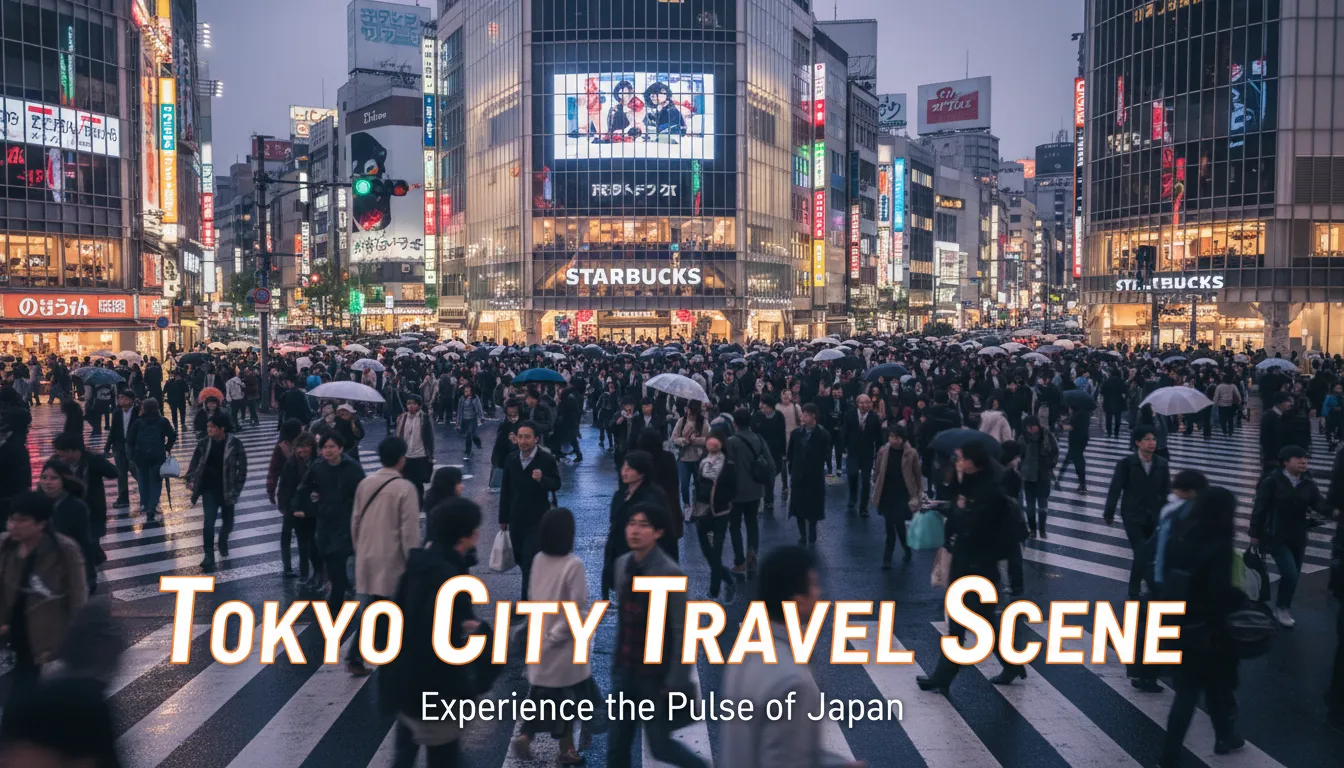
This comprehensive Tokyo Travel Guide covers everything you need to experience Japan’s dynamic capital. You will discover top neighborhoods, must-see attractions, incredible local cuisine, and practical transit tips. Use these expert insights and actionable strategies to maximize your time, avoid common tourist pitfalls, and craft the perfect itinerary with this detailed Tokyo Travel Guide.
Welcome to the ultimate Tokyo Travel Guide. Whether you crave neon-lit skyscrapers or serene historic temples, navigating Japan’s vibrant capital promises an unforgettable adventure for every traveler. Let this Tokyo Travel Guide be the launchpad for your dream trip.
Why You Need a Solid Plan for Japan’s Capital
Navigating a metropolis of over 37 million people requires strategy. Tokyo is a sprawling web of distinct neighborhoods, each offering a completely different atmosphere. From the otaku culture of Akihabara to the high-fashion streets of Harajuku, understanding the layout is crucial. A well-researched Tokyo Travel Guide ensures you do not waste precious vacation time getting lost in massive transit hubs like Shinjuku Station. Instead, you can focus on savoring authentic ramen, exploring ancient shrines, and diving into the vibrant nightlife, all guided by expert advice in this Tokyo Travel Guide.
Planning ahead with a robust Tokyo Travel Guide also helps you secure reservations for highly sought-after experiences, such as themed cafes, digital art museums, and Michelin-starred sushi counters. By familiarizing yourself with local customs and transit systems, you will navigate the city like a seasoned local. For more insights on connecting your trip, check out our Kyoto Itinerary to plan the next leg of your journey, right after soaking up Tokyo with this Tokyo Travel Guide.
Best Time to Visit
Timing your trip with help from a Tokyo Travel Guide greatly impacts your experience. Spring (March to May) is arguably the most popular season due to the breathtaking cherry blossoms (sakura). The weather is mild, making it perfect for strolling through expansive parks. However, this is peak tourist season, meaning higher prices and larger crowds.
Autumn (September to November) offers a spectacular alternative. The weather cools down, and the foliage transforms into vibrant shades of red and gold. Winter (December to February) provides crisp, clear days with excellent visibility for spotting Mount Fuji in the distance, plus beautiful winter illuminations lighting up the city streets. Summer (June to August) is intensely hot and humid, but it brings exciting street festivals, fireworks displays, and lively outdoor events. Whichever season you pick, your Tokyo Travel Guide can help you plan accordingly.
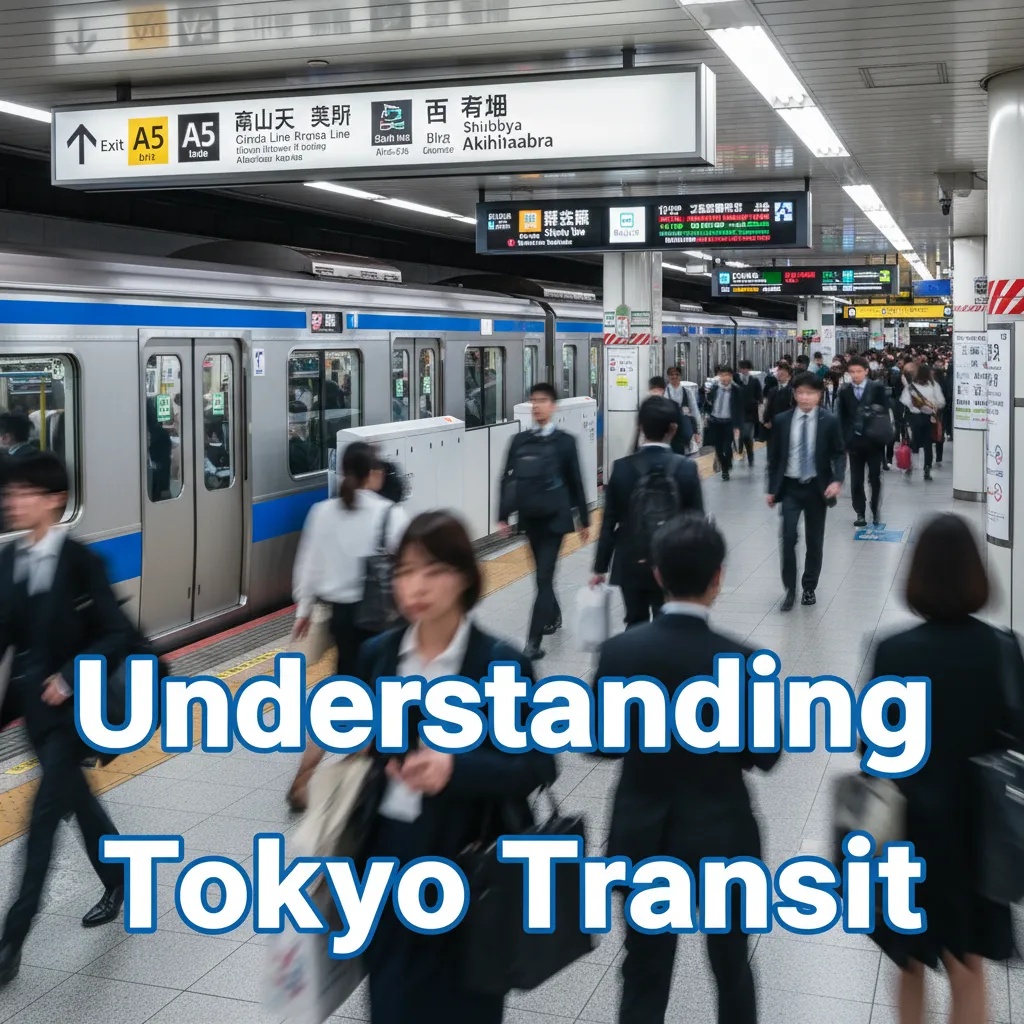
Getting around might seem intimidating, but the public transportation system is exceptionally efficient, clean, and punctual. The Tokyo Travel Guide breaks it down to give you confidence.
The Suica and PASMO Cards
Your best friends in the city are the Suica or PASMO IC cards. These rechargeable smart cards allow you to tap in and out of train stations, subways, and buses seamlessly. You can even use them to buy drinks at vending machines or snacks at convenience stores (konbini). You can easily add a digital Suica card directly to your smartphone wallet before you even land in Japan. If you plan to travel outside the capital, you might want to read our Japan Rail Pass Guide to determine if a nationwide pass fits your budget. The Tokyo Travel Guide recommends these cards for all visitors to streamline travel.
Navigating the Trains
The JR Yamanote Line is a circular train line that connects major hubs, including Shibuya, Shinjuku, Ueno, and Tokyo Station. It is often the most convenient route for tourists using this Tokyo Travel Guide. The Tokyo Metro and Toei Subway lines fill in the gaps, reaching neighborhoods the JR lines miss. Always rely on smartphone mapping apps, which provide real-time platform numbers, transfer times, and optimal exit gates—for a seamless experience recommended in this Tokyo Travel Guide.
Transit Comparison Table
|
Transit Option |
Best For |
Coverage Area |
Cost Efficiency |
|---|---|---|---|
|
Suica / PASMO |
Daily local travel, convenience store purchases |
All subways, buses, and local JR trains |
High (Pay as you go) |
|
Tokyo Subway Ticket |
Unlimited subway rides (24/48/72 hours) |
Tokyo Metro and Toei Subway only |
High if taking 4+ trips daily |
|
Japan Rail (JR) Pass |
Intercity travel (e.g., bullet trains to Kyoto) |
JR Lines only (excludes most subways) |
Low if staying only in the city |
|
Uber / Taxis |
Late-night travel after trains stop (midnight) |
Point-to-point anywhere |
Low (Very expensive) |
Use the Tokyo Travel Guide’s recommendations for cost and coverage when choosing your best transit options.
Top Neighborhoods to Explore
A truly great Tokyo Travel Guide helps you explore Tokyo’s unique neighborhoods:
Shinjuku: The Neon Heart
Shinjuku is the entertainment and business hub. The area is famous for its towering skyscrapers, giant 3D billboards, and the bustling Kabukicho district. Kabukicho comes alive at night with countless bars, restaurants, and entertainment venues. Just a short walk away is Omoide Yokocho (Memory Lane), a narrow alley packed with tiny izakayas serving delicious yakitori. During the day, escape the concrete jungle by visiting Shinjuku Gyoen National Garden, a massive park offering traditional Japanese landscapes. If you need accommodation ideas, explore our list of the Best Hotels in Shinjuku or check out tips in this Tokyo Travel Guide.
Shibuya: The Pulse of Youth Culture
Shibuya is synonymous with the iconic Shibuya Crossing, the busiest pedestrian intersection in the world. Watching the organized chaos from above is a must-do experience. The neighborhood is a fashion and nightlife powerhouse, catering to youth culture and trendsetters. Do not miss the Hachiko Statue, a popular meeting spot honoring Japan’s most loyal dog. For panoramic views, head to the Shibuya Sky observation deck, which offers staggering 360-degree vistas of the skyline—all recommendations you’ll find in your Tokyo Travel Guide.
Asakusa: A Glimpse into the Past
For a taste of traditional Japan, Asakusa is unrivaled. The centerpiece is Sensō-ji, the city’s oldest Buddhist temple. Approach the temple through the Kaminarimon (Thunder Gate) and stroll down Nakamise Shopping Street, a historic arcade lined with vendors selling traditional snacks and souvenirs. You can learn more about historic sites on the Japan National Tourism Organization website or in this Tokyo Travel Guide.
Akihabara: Electric Town
Akihabara is the epicenter of geek (otaku) culture. The streets are lined with massive electronics department stores, retro video game shops, and towering arcades. Anime and manga fans will find paradise here, alongside quirky themed cafes, including the famous maid cafes where servers treat customers like royalty. Let the Tokyo Travel Guide point you to the coolest spots.
Harajuku: Kawaii Central
Harajuku is the birthplace of “kawaii” (cute) culture. Takeshita Street is the main artery, packed with colorful boutiques, crepe stands, and giant rainbow cotton candy vendors. Just steps away, Omotesando offers a stark contrast with its sophisticated, tree-lined avenue featuring high-end designer flagships and striking modern architecture. A good Tokyo Travel Guide will make sure you don’t miss any of these incredible contrasts.
Best Things to Do
Your Tokyo Travel Guide highlights these can’t-miss experiences:
Marvel at teamLab Borderless
Immerse yourself in digital art at teamLab Borderless. This groundbreaking museum features interactive, room-sized light projections that react to your movements. The artworks flow continuously between rooms, creating a mesmerizing, dreamlike environment. Book tickets well in advance, as they sell out frequently—and make it a priority from your Tokyo Travel Guide experience wishlist.
Visit the Meiji Jingu Shrine
Located in a dense forest adjacent to Harajuku, Meiji Jingu is a tranquil Shinto shrine dedicated to Emperor Meiji. The massive wooden torii gates and serene gravel paths offer a profound sense of peace, making you forget you are in the middle of one of the world’s most populous cities. Your Tokyo Travel Guide will help you connect the city’s spiritual and natural sides.
Experience a Sumo Practice
While major sumo tournaments happen only a few times a year, many sumo “beya” (stables) allow visitors to observe morning practices. Watching these massive athletes undergo rigorous training provides incredible insight into Japanese discipline and tradition, a rare cultural window recommended by the Tokyo Travel Guide.
Scale the Tokyo Skytree
Standing at 634 meters, the Skytree is the tallest structure in Japan. The observation decks offer breathtaking, sweeping views. On clear days, you can spot Mount Fuji on the horizon. The Tokyo Travel Guide encourages you to bring your camera—these are some of the best city vistas in the world.
What to Eat: A Culinary Journey

Tokyo holds the most Michelin stars of any city globally, but incredible food is accessible at any price point. Check our dedicated Tokyo Street Food guide for more delicious details, or use this Tokyo Travel Guide for curated recommendations.
Sushi and Sashimi
You cannot visit Japan without eating sushi. Head to the Toyosu Outer Market (the successor to the famous Tsukiji wholesale market) for the freshest cuts of tuna, salmon, and sea urchin. Whether you dine at a high-end omakase counter or a lively conveyor belt sushi (kaiten-zushi) restaurant, the quality is unparalleled. This Tokyo Travel Guide will show you the best places for each style.
Ramen Varieties
Ramen is a staple comfort food. Every shop guards its secret broth recipe, ranging from rich, creamy tonkotsu (pork bone) to light, savory shoyu (soy sauce) and earthy shio (salt). Do not hesitate to use the ticketing machines outside the shops to place your order; it is a quintessential local experience. Consult your Tokyo Travel Guide for must-try ramen shops in every neighborhood.
Izakaya Dining
Izakayas are Japanese gastropubs where locals gather after work to drink and share small plates. Order a glass of sake, a highball, or a cold draft beer, and pair it with yakitori (grilled chicken skewers), karaage (Japanese fried chicken), and edamame. Use the Tokyo Travel Guide to find authentic izakaya experiences beloved by locals.
Konbini Snacks
Do not underestimate the convenience stores (7-Eleven, FamilyMart, Lawson). They offer incredibly high-quality, affordable food. Grab an onigiri (rice ball), an egg salad sandwich, or a hot steamed pork bun for a quick, delicious bite on the go—even this local ritual is part of the wider Tokyo Travel Guide experience.
Common Mistakes to Avoid
- Relying Only on Credit Cards: While card acceptance is growing rapidly, Japan remains heavily reliant on cash. Always carry yen for small shrines, street food stalls, and loading your transit card.
- Boarding the Wrong Train: Google Maps will tell you exactly which platform to use and which train type to board (Local, Rapid, Express). Boarding an Express train when your stop is a Local one will result in flying past your destination. The Tokyo Travel Guide explains exactly how to avoid this.
- Ignoring Train Etiquette: Trains are incredibly quiet. Do not talk loudly on your phone, eat messy food, or leave your backpack on your back in a crowded car (hold it in front of you).
- Tipping: Tipping is not practiced in Japan and can actually cause confusion or offense. Excellent service is simply part of the culture, a cultural note underlined in your Tokyo Travel Guide.
- Overpacking Your Itinerary: Do not try to see Shinjuku, Asakusa, and Akihabara in a single afternoon. The sheer size of the stations and the walking required will exhaust you. Group your sightseeing by geographic proximity. Your Tokyo Travel Guide can help organize your days for maximum enjoyment.
Expert Insights and Pro Tips
- Send Your Luggage: Use “Takuhaibin” luggage forwarding services. For a small fee, you can ship your heavy suitcases directly from the airport to your hotel, or between hotels in different cities, allowing you to travel hands-free. Read more about this service on the Yamato Transport website—a recommendation that’s part of any thorough Tokyo Travel Guide.
- Carry a Trash Bag: Public trash cans are incredibly rare due to anti-terrorism measures implemented decades ago. Bring a small plastic bag to carry your wrappers and bottles until you find a bin (usually located near convenience stores or vending machines).
- Use Coin Lockers: If you are checking out of your hotel but have a late flight, utilize the coin lockers found in almost every train station to store your bags safely. The Tokyo Travel Guide tells you which stations have the most lockers and how to use them.
- Download Offline Maps: While pocket Wi-Fi and eSIMs are widely available, downloading offline maps ensures you never get lost if you temporarily lose your connection in underground subway labyrinths. This is a Tokyo Travel Guide essential tip for first-timers and return visitors alike.
Conclusion
A well-executed trip to Japan requires balancing iconic landmarks with spontaneous neighborhood discoveries. By using this Tokyo Travel Guide, you are equipped to navigate the bustling transit systems, indulge in world-class culinary delights, and respect local customs. Ready to start your adventure? Book your flights, secure your accommodations, and prepare for the journey of a lifetime with this trusted Tokyo Travel Guide.
FAQs
1. How many days do I need in Tokyo?
You need a minimum of 4 to 5 days to experience the main highlights comfortably. This allows you to explore distinct districts like Shinjuku, Shibuya, Asakusa, and Akihabara without rushing, while leaving time for culinary exploration and shopping. This Tokyo Travel Guide lays out a timeline for first-timers.
2. Is it expensive to visit?
It caters to all budgets. While luxury hotels and Michelin-starred dining are pricey, you can easily save money by eating at local ramen shops, buying convenience store meals, staying in budget-friendly business hotels, and using public transit. The Tokyo Travel Guide offers money-saving tips throughout.
3. Do I need to speak Japanese to get around?
No, you do not need to speak Japanese. Major train stations, menus, and street signs feature English translations. However, learning a few basic phrases like “Arigato” (Thank you) and “Sumimasen” (Excuse me) goes a long way with the locals. The Tokyo Travel Guide includes simple helpful phrases and etiquette.
4. What is the best way to get from Narita Airport to the city center?
The Narita Express (N’EX) and the Keisei Skyliner are the fastest and most reliable options. Both take about an hour to reach major hubs like Tokyo Station or Shinjuku, as noted in every reputable Tokyo Travel Guide.
5. Should I buy a Japan Rail (JR) Pass?
Only buy a JR Pass if you plan to travel long distances on the Shinkansen (bullet train), such as visiting Kyoto or Osaka. If you are staying exclusively in the capital, a rechargeable Suica or PASMO card is much more cost-effective. Let your Tokyo Travel Guide help make this decision.
6. Are credit cards widely accepted?
Credit cards are accepted at major hotels, department stores, and large restaurants. However, many small izakayas, street food vendors, and local shops only accept cash. Always keep Japanese Yen on hand. The Tokyo Travel Guide keeps you prepared.
7. Is the city safe for solo travelers?
It is consistently ranked as one of the safest cities in the world. Violent crime is exceptionally low, and solo travelers—including solo female travelers—can feel secure walking at night or dining alone. Your Tokyo Travel Guide addresses safety tips for all types of travelers.
8. Can I drink the tap water?
Yes, the tap water is completely safe to drink. The water purification standards are extremely high, so you can refill your reusable water bottle directly from the sink. Trust the safety tips in your Tokyo Travel Guide.
9. What is the etiquette for visiting temples and shrines?
Dress modestly, speak quietly, and bow slightly before entering the torii gate. At shrines, purify your hands and mouth at the water pavilion before approaching the main hall to offer a prayer. Brush up on customs with your Tokyo Travel Guide before you go.
10. Do I need an adapter for my electronics?
Japan uses Type A plugs with two flat parallel pins (similar to North America, but without the grounding pin). The voltage is 100V. If you travel from Europe or the UK, you will definitely need a plug adapter and possibly a voltage converter for high-power devices. The Tokyo Travel Guide provides pre-departure packing lists and tips.