Ready for the adventure of a lifetime? This comprehensive New Zealand Travel Guide gives you everything you need to explore breathtaking landscapes, rich culture, and thrilling experiences. Whether you’re a seasoned explorer or a first-time visitor, this New Zealand Travel Guide unpacks every tip and insight you’ll need to craft your dream trip.
Planning a trip across the globe feels overwhelming, but we make it simple. This guide covers top destinations, reliable itineraries, budgeting advice, and transportation methods. You will learn expert tips, avoid common mistakes, and build a personalized travel plan that guarantees an unforgettable adventure. Our New Zealand Travel Guide is designed to empower you with the information required to not only see New Zealand’s famed spots but to deeply experience what makes this country so uniquely special.
Why New Zealand Deserves the Top Spot on Your Bucket List
New Zealand is a country of extreme, contrasting beauty. From the geothermal wonders and lush forests of the North Island to the towering alps and pristine fiords of the South Island, it offers a visual feast you cannot find anywhere else. Traveling here is safe, the locals are incredibly friendly, and the infrastructure for visitors is world-class. Whether you want to hike deep into untouched wilderness, sip award-winning wines, or throw yourself out of an airplane, this nation delivers. Use this New Zealand Travel Guide to unlock both hidden gems and iconic must-sees, ensuring you go beyond surface sightseeing.
The Best Time to Visit New Zealand
Deciding when to go depends entirely on what you want to experience. Because New Zealand is in the Southern Hemisphere, its seasons are opposite to those in North America and Europe. Our New Zealand Travel Guide walks you through the year, so you can align your trip with your personal preferences and maximize your experience.
Summer (December to February)
Summer is the peak tourist season. You get long, warm days perfect for beach visits, hiking, and outdoor festivals. Expect higher prices and larger crowds at popular spots like Hobbiton and Milford Sound. Be sure to book accommodations early through your preferred providers. The New Zealand Travel Guide emphasizes flexibility and advanced planning for summer travelers.
Autumn (March to May)
Autumn offers crisp air, fewer crowds, and stunning foliage, especially in regions like Central Otago. This is an excellent time for a road trip, as the weather remains relatively stable and accommodation prices drop. The New Zealand Travel Guide recommends this shoulder season for travelers who prefer a slower pace and local encounters.
Winter (June to August)
If you love snow sports, winter is your window. Queenstown and Wanaka transform into bustling ski hubs. The North Island stays milder but experiences more rain. The New Zealand Travel Guide points out that mountain passes may close temporarily in heavy snow, so flexibility is key.
Spring (September to November)
Spring brings blooming flowers, active wildlife, and rushing waterfalls fueled by melting snow. The weather can be highly unpredictable, so packing layers is essential. For official weather forecasts and warnings during your trip, always check MetService. Following this New Zealand Travel Guide’s advice can help ensure you’re ready for all weather extremes.
North Island vs. South Island: Which Should You Choose?
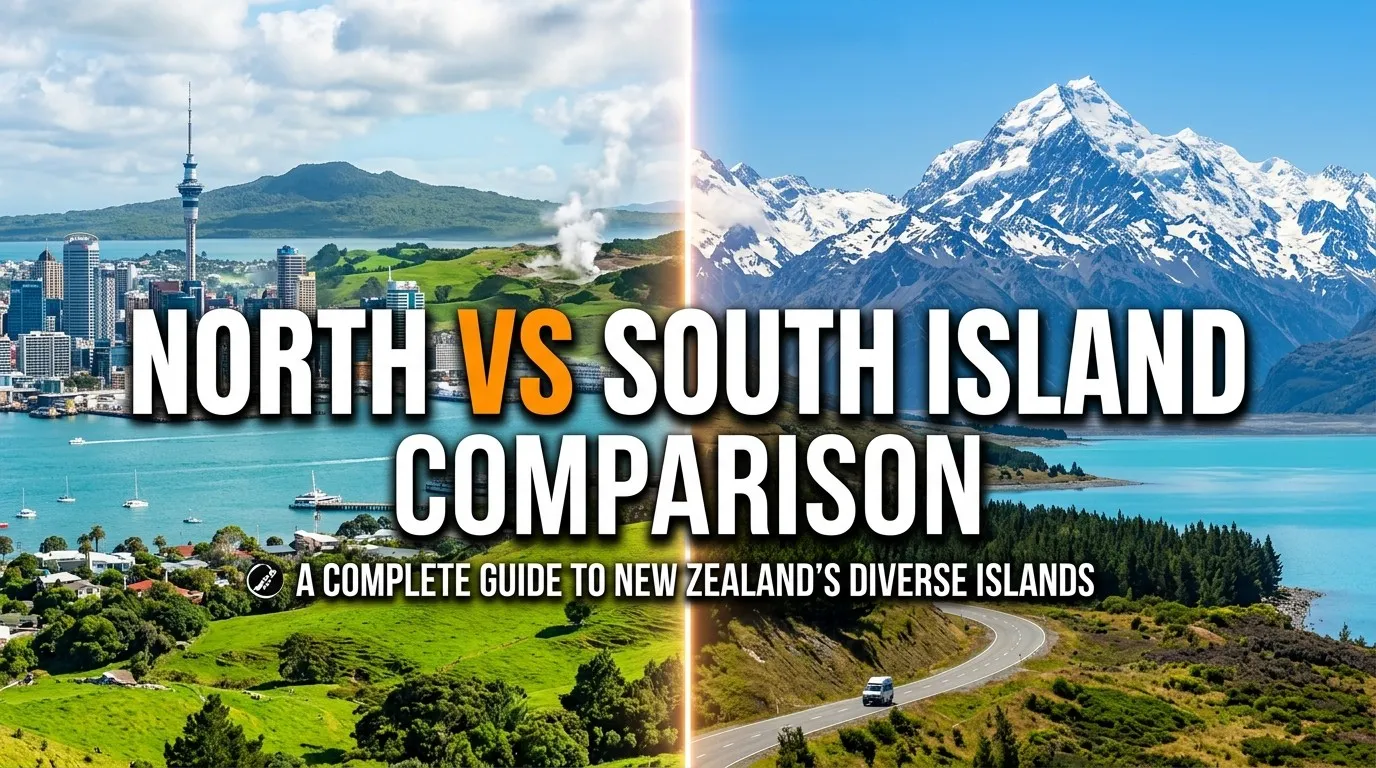
Most travelers struggle to choose between the two islands. If you have less than two weeks, focusing on just one is a smart strategy. Here is a quick breakdown to help you decide, and rest assured—this New Zealand Travel Guide will help you make the selection that fits your goals.
|
Feature |
North Island |
South Island |
|---|---|---|
|
Vibe |
Cultural, geothermal, urban |
Wild, mountainous, adventurous |
|
Top Sights |
Hobbiton, Rotorua, Bay of Islands |
Milford Sound, Mount Cook, Queenstown |
|
Best For |
Māori culture, beaches, volcanoes |
Hiking, extreme sports, dramatic scenery |
|
Weather |
Warmer, more humid |
Cooler, alpine conditions |
|
Pacing |
Shorter driving distances |
Longer, highly scenic driving routes |
This part of the New Zealand Travel Guide encourages you to consider your travel style: are you drawn to culture and cities, or wild nature and adventure? Either path promises a rich itinerary—sometimes, the best solution is to visit both!
Top Destinations on the North Island
The North Island blends vibrant city life with deep-rooted cultural heritage and volcanic activity. Your New Zealand Travel Guide would not be complete without a visit to these remarkable spots:
Auckland
Known as the “City of Sails,” Auckland is the primary international gateway. Spend a day exploring the viaduct, climbing the Sky Tower, or taking a quick ferry to Waiheke Island for incredible wine tasting. Use Auckland as the perfect launch point for your broader New Zealand Travel Guide journey.
Rotorua
Rotorua is the cultural and geothermal heart of the country. You can watch erupting geysers, soak in natural hot springs, and experience a traditional Māori Hāngī (a meal cooked in an earth oven). The New Zealand Travel Guide recommends booking experiences that include Māori performances for a deeper dive into local traditions.
Wellington
The nation’s capital sits at the southern tip of the North Island. It boasts a thriving coffee culture, fantastic craft beer, and the must-visit Te Papa Tongarewa Museum, which offers brilliant interactive exhibits on the country’s history. Wellington is also a hub for the arts, making it a key stop in any comprehensive New Zealand Travel Guide.
Bay of Islands
For sunshine, boating, fishing, and significant historical sites, the Bay of Islands in Northland delivers a tropical escape. The New Zealand Travel Guide suggests taking a dolphin cruise or an island-hopping day tour for unforgettable memories.
Tongariro National Park
It hosts the famous Tongariro Alpine Crossing, often called the world’s best one-day hike. The volcanic landscape is both otherworldly and steeped in Māori legend. Consult the New Zealand Travel Guide for safety tips and recommended gear before attempting the trek.
Must-See Spots on the South Island
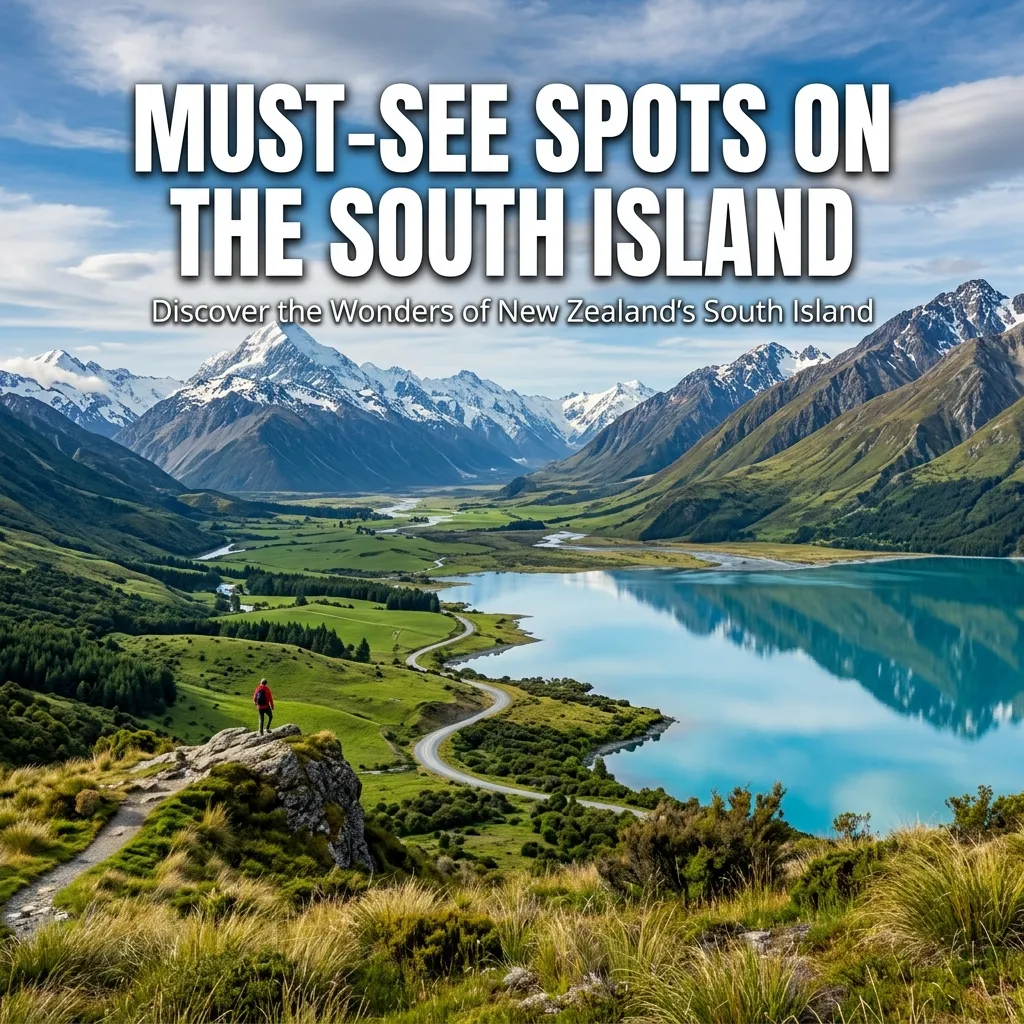
The South Island is globally recognized for its untouched, rugged wilderness and adrenaline-pumping activities. Your New Zealand Travel Guide highlights these main attractions:
Queenstown
Often called the “Adventure Capital of the World,” Queenstown is famous for bungy jumping, jet boating, and skydiving. Set against the Remarkables mountain range and Lake Wakatipu, it is also a phenomenal place to relax and enjoy fine dining. Don’t forget a winery tour to round out your New Zealand Travel Guide experience.
Fiordland National Park and Milford Sound
No trip is complete without witnessing the towering cliffs and dark waters of Milford Sound. Take a scenic cruise to spot dolphins, seals, and waterfalls plunging down vertical rock faces. Guided tours are featured prominently in the New Zealand Travel Guide due to their value and insight.
Aoraki / Mount Cook National Park
Home to the highest mountain in the country, this national park offers some of the best day hikes in the world. The Hooker Valley Track is a relatively flat, highly rewarding walk that takes you right to the base of glacier-fed lakes. Before setting out on any hike, check track conditions on the Department of Conservation (DOC) website. The New Zealand Travel Guide recommends booking accommodation in advance, especially in peak hiking season.
Wanaka
Less crowded than Queenstown, Wanaka offers skiing, lake activities, and the famous Wanaka Tree. According to the New Zealand Travel Guide, this laid-back town is ideal for both relaxation and high-octane adventure.
Franz Josef and Fox Glaciers
Experience the rare opportunity to hike on a glacier or take a scenic flight for panoramic views of the West Coast. The New Zealand Travel Guide strongly recommends guided tours for safety.
Ultimate New Zealand Travel Itineraries
Creating a logical route is vital for maximizing your time. Here are highly recommended routes based on trip length. No matter your timeframe, this New Zealand Travel Guide has a plan tailored for you:
The 7-Day Highlight Reel (South Island Only)
- Day 1-2: Arrive in Queenstown. Explore the town and ride the Skyline Gondola.
- Day 3: Day trip to Milford Sound.
- Day 4: Drive to Wanaka. Hike Roy’s Peak or relax by the lake.
- Day 5: Drive to Mount Cook Village. Hike the Hooker Valley Track.
- Day 6: Drive to Lake Tekapo. Stargaze at the Dark Sky Reserve.
- Day 7: Drive to Christchurch and depart.
The 14-Day Explorer (Both Islands)
- Day 1-2: Auckland and Waiheke Island.
- Day 3: Drive to Waitomo (glowworm caves) and continue to Rotorua.
- Day 4: Explore Rotorua’s geothermal parks.
- Day 5: Drive to Taupo, then to Wellington.
- Day 6: Explore Wellington, then take the Interislander Ferry to Picton.
- Day 7: Wine tasting in Marlborough.
- Day 8-9: Drive the West Coast to Franz Josef Glacier.
- Day 10: Drive through Haast Pass to Wanaka.
- Day 11-13: Queenstown and Milford Sound.
- Day 14: Depart from Queenstown.
The 21-Day In-Depth Adventure
For those able to spend three weeks, the New Zealand Travel Guide recommends:
- Days 1–5: Traverse the North Island, including Auckland, the Coromandel Peninsula, Rotorua, Taupo, and Wellington.
- Days 6–8: Enjoy the Cook Strait ferry, then head to Abel Tasman National Park for kayaking and coastal hikes.
- Days 9–14: Explore the West Coast glaciers, Punakaiki Pancake Rocks, Wanaka, and Mount Cook.
- Days 15–19: Spend more time in Queenstown for adventure and a side trip to Doubtful Sound.
- Days 20–21: Unwind in Christchurch with garden walks and artsy cafes before flying home.
Getting Around New Zealand
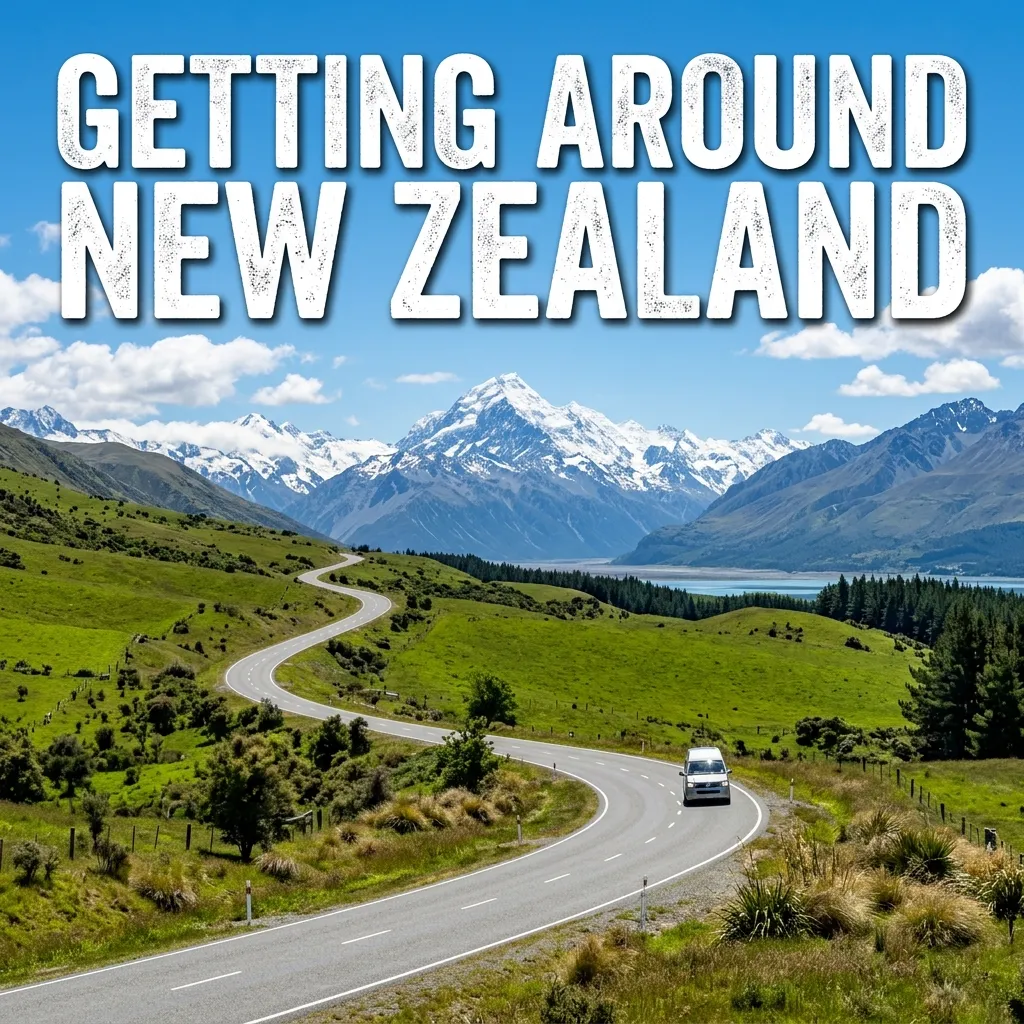
Transportation is a critical component of your planning. The country is larger than it looks on a map, and winding roads mean driving times are often longer than anticipated. This section of our New Zealand Travel Guide ensures you don’t underestimate the time needed to reach various towns.
Renting a Car or Campervan
Self-driving is the most popular way to explore. It offers complete freedom to stop at scenic lookouts. Campervans help you save on accommodation, but remember that freedom camping is strictly regulated. You must park in designated spots or risk hefty fines. The New Zealand Travel Guide recommends downloading the CamperMate app for campsite locations and travel resources.
Domestic Flights
If you are short on time, flying between major hubs (like Auckland to Queenstown) saves days of driving. Air New Zealand and Jetstar offer frequent, reliable services. To streamline your itinerary, let the New Zealand Travel Guide’s regional flight advice save you precious hours.
Buses and Trains
InterCity operates an extensive bus network. For scenic journeys, the TranzAlpine train crossing the South Island from Christchurch to Greymouth is a spectacular experience. Refer to the New Zealand Travel Guide’s transport section to choose the right mix of comfort and adventure.
Pro Tips and Expert Insights for Your Journey
To elevate your travel experience, keep these expert tips in mind—hand-selected by the contributors to the New Zealand Travel Guide:
- Book Great Walks well in advance: If you plan to hike famous trails like the Milford Track, book huts up to six months early. They sell out instantly.
- Pack layers: The weather can shift from bright sunshine to freezing rain in a matter of hours. Merino wool is your best friend here.
- Download offline maps: Cell service drops entirely in remote areas like Fiordland and the West Coast.
- Protect yourself from the sun: The ozone layer over this part of the world is thin. You will burn much faster than you expect, even on cloudy days. Wear SPF 50.
- Consider travel insurance: It provides vital coverage for both accidents and trip disruptions.
Common Mistakes to Avoid
Even seasoned travelers slip up. Avoid these frequent pitfalls, as outlined in any trustworthy New Zealand Travel Guide:
- Underestimating driving times: A 100-mile drive takes much longer here due to narrow, winding, mountainous roads.
- Trying to see everything in one week: Rushing from the top of the North Island to the bottom of the South Island guarantees you will spend your entire vacation in a car.
- Ignoring biosecurity laws: Customs officials are extremely strict about bringing food, hiking boots with dirt on them, or plant materials into the country. Declare everything and read entry requirements carefully on arrival—advice you’ll see in all authority New Zealand Travel Guide editions.
- Only eating out: Dining out is expensive. Hit the local supermarkets (Pak’nSave or Countdown) for snacks and breakfast items to keep your budget intact. Note that as a consumer, you are heavily protected by the Consumer Guarantees Act, ensuring all services and goods meet a high standard.
Understanding Kiwi Culture and Etiquette
New Zealanders, affectionately known as Kiwis, are laid-back, polite, and welcoming. Tipping is not expected or required, as workers earn a livable minimum wage. However, if service is exceptional, a 10% tip is appreciated. The New Zealand Travel Guide encourages travelers to learn a few Māori greetings—“Kia ora” (hello) never fails to make a connection.
Respect for the land (Kaitiakitanga) is a core value. Take all your rubbish with you, stick to marked trails, and never cross private farmland without permission. Also, familiarize yourself with basic Māori greetings, like “Kia ora” (hello), which shows respect for the indigenous culture.
Religion and Social Attitudes
New Zealand is a secular country but values religious freedom and diversity. LGBTQ+ travelers are welcomed and protected, with same-sex marriage legal and widely accepted—a fact you’ll find noted in every inclusive New Zealand Travel Guide.
Budgeting for Your Adventure
New Zealand is not a budget destination. Here is a rough daily estimate (in USD) to help you plan:
- Budget (Hostels, cooking own meals, bus travel): $60 – $80 per day
- Mid-range (Motels/Airbnbs, rental car, occasional dining out): $150 – $250 per day
- Luxury (Boutique lodges, fine dining, guided tours/flights): $400+ per day
Always account for expensive excursions. Activities like bungee jumping or helicopter hikes can quickly eat up your daily budget, so prioritize the ones that matter most to you. For more tips, check out Best Ways to Save on Travel in your favorite New Zealand Travel Guide.
Money-Saving Tips
- Travel during the shoulder season for better deals.
- Purchase groceries from major supermarkets for lower prices.
- Book excursions and transportation in advance.
- Take advantage of free or low-cost outdoor activities highlighted throughout this New Zealand Travel Guide.
Packing Essentials for New Zealand
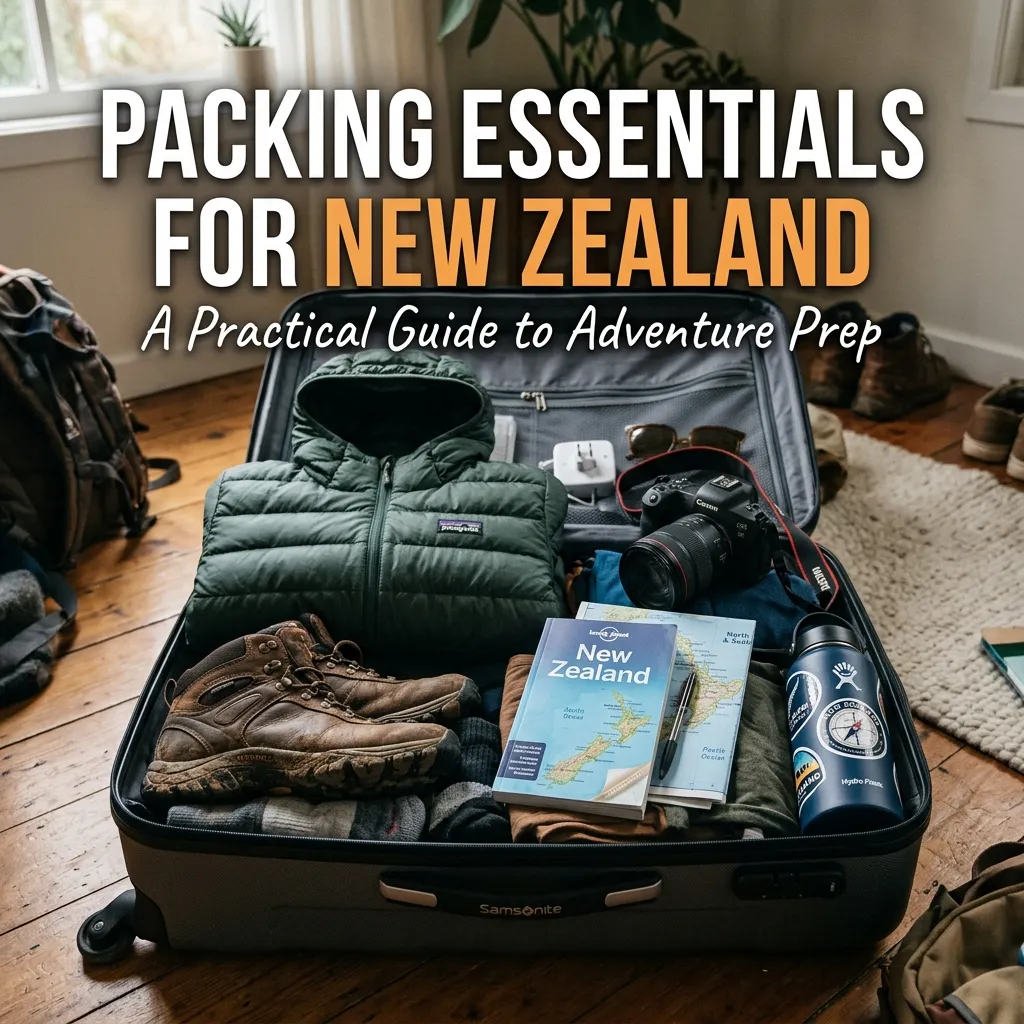
Your New Zealand Travel Guide’s packing list should include:
- Lightweight, quick-drying layers
- Rain jacket
- Good hiking shoes
- Plug adaptor for type I outlets
- Reusable water bottle
- Travel insurance documents (digital and paper)
- Sunscreen (SPF 50 recommended)
- Insect repellent
If traveling to remote areas, bring backup chargers and cash. The New Zealand Travel Guide always advocates for traveling light but well-prepared.
Responsible Tourism in New Zealand
Help preserve the country’s breathtaking beauty for generations. Respect wildlife by observing from a distance, using recycling bins, and staying on designated tracks. For wilderness and backcountry adventure, consult the Leave No Trace principles—these are strongly emphasized in this ecologically focused New Zealand Travel Guide.
Conclusion
Exploring New Zealand is more than just ticking destinations off a list—it’s about engaging with vibrant Māori culture, marveling at raw natural beauty, and having adventures at every turn. By following this New Zealand Travel Guide, you gain the assurance to travel confidently, make memorable connections, and enjoy life-changing experiences. Start mapping your route, book those bucket-list activities, and commit to exploring New Zealand with zeal and respect. Your journey using this New Zealand Travel Guide will be one for the ages, delivering inspiration before, during, and after your trip.
Frequently Asked Questions (FAQs)
1. Do I need a visa to travel to New Zealand?
Most travelers from visa-waiver countries (like the US, UK, and Canada) do not need a visa for short stays, but you must apply for a New Zealand Electronic Travel Authority (NZeTA) and pay the International Visitor Conservation and Tourism Levy (IVL) before you arrive.
2. How many days is ideal for a trip to New Zealand?
To comfortably see the highlights of both the North and South Islands, 14 to 21 days is ideal. If you only have 7 to 10 days, it is best to focus on just one island to avoid spending your whole trip driving.
3. Is it safe to drive in New Zealand?
Yes, but it requires caution. Kiwis drive on the left side of the road. Roads outside of major cities are often single-lane, winding, and hilly. Take your time, pull over to let faster traffic pass, and do not drive if you are severely jet-lagged.
4. Can you drink the tap water?
Absolutely. The tap water across the country is clean, safe, and tastes great. Bring a reusable water bottle to save money and reduce plastic waste.
5. What is the currency, and can I use credit cards everywhere?
The currency is the New Zealand Dollar (NZD). Credit and debit cards (Visa and Mastercard) are accepted almost everywhere, even for small purchases. You will only need a small amount of cash for rural roadside stalls or remote campsites.
6. Are there any dangerous animals in New Zealand?
No. Unlike Australia, there are no snakes, dangerous predators, or lethal insects. The most annoying creatures you will encounter are sandflies on the South Island’s West Coast, so bring a good insect repellent.
7. Do I need travel insurance?
Yes, travel insurance is highly recommended. While the Accident Compensation Corporation (ACC) covers injuries from accidents for visitors, it does not cover illness, trip cancellations, or stolen property.
8. What is the best way to see Māori culture?
Rotorua is the premier destination for cultural experiences. You can visit traditional villages like Te Puia or Mitai Māori Village to watch cultural performances, learn about wood carving, and enjoy a traditional Hāngī meal.
9. How expensive is campervan travel?
Campervan rentals vary wildly based on the season and the vehicle size. In peak summer, a self-contained van can cost over $200 USD a day. However, it saves you money on hotels and allows you to cook your own meals, which balances out the cost.
10. What is “Freedom Camping”?
Freedom camping allows you to park and sleep on public conservation land for free. However, strict rules apply. You generally must have a certified self-contained vehicle (with a toilet and wastewater system) to avoid heavy fines. Always use the CamperMate app to find legal camping spots.