
In today’s digital landscape, the concept of a workation has emerged as a transformative approach to balancing professional duties with the desire to explore new horizons. Blending remote work and travel, a workation empowers freelancers, entrepreneurs, and remote employees to remain productive while immersing themselves in fresh environments. This year, the popularity of workation experiences continues to rise as individuals seek a healthier balance between daily responsibilities and personal enrichment. By planning strategically, equipping oneself with the right technology, and embracing local cultures, anyone can turn a temporary location into an inspiring office.
A thoughtfully designed workation can spark creativity, enhance well-being, and maintain—if not improve—output. From arranging visas to optimizing internet connectivity, each step requires careful consideration to avoid disruptions. Throughout this guide, you will discover how to select the perfect destination, create a mobile-friendly workspace, sustain focus on the go, and integrate meaningful adventures into your schedule. Additionally, we’ll address self-care routines and networking tactics that keep you energized and connected in unfamiliar territories. Ready to explore how to seamlessly merge deadlines with ocean views or mountain vistas? Let’s dive into the essentials of crafting an unforgettable and productive workation this year.
Planning Your Ideal Workation
Choosing the Perfect Location
The foundation of a successful workation lies in selecting a destination that aligns with both your personal preferences and professional requirements. Begin by asking yourself: Do you thrive in coastal settings, urban hubs, or tranquil highlands? Research factors such as climate, cost of living, local culture, and language barriers. Sites like Nomad List can offer community insights, but authoritative sources—such as official tourism boards—provide up-to-date safety advisories and infrastructure details. For an in-depth look at country-specific digital nomad programs, you can refer to travel.state.gov, which outlines entry rules and recommended documentation for various nationalities.
Visa Requirements and Legal Considerations
Before booking flights, verify visa conditions. Several countries now offer dedicated digital-nomad visas, granting stays of six months to a year. If your destination requires a tourist visa, be mindful of maximum durations and renewal possibilities. Always factor in processing lead times, as visa approvals can vary from a few days to several weeks. Keeping copies of your visa documents in both digital and physical formats can save time during customs and local authority checks. For accurate guidance on working remotely in foreign territories, consult official government portals such as travel.state.gov.
Budgeting for the Journey
Crafting a realistic budget is essential. Create a spreadsheet that outlines monthly expenses: accommodation, coworking fees, groceries, dining out, transportation, and leisure activities. It’s wise to allocate an extra 10–20 percent cushion for unforeseen costs, such as medical fees or last-minute travel changes. Many long-term workationers find furnished apartments or extended-stay rentals via services like Airbnb more cost-effective than nightly hotel rates. Additionally, explore local SIM or eSIM options to secure reliable data plans without incurring high roaming fees. By mapping out these expenditures in advance, you’ll reduce stress and focus on what truly matters—your workation experience.
Setting Up Your Portable Workspace
Essential Devices and Accessories
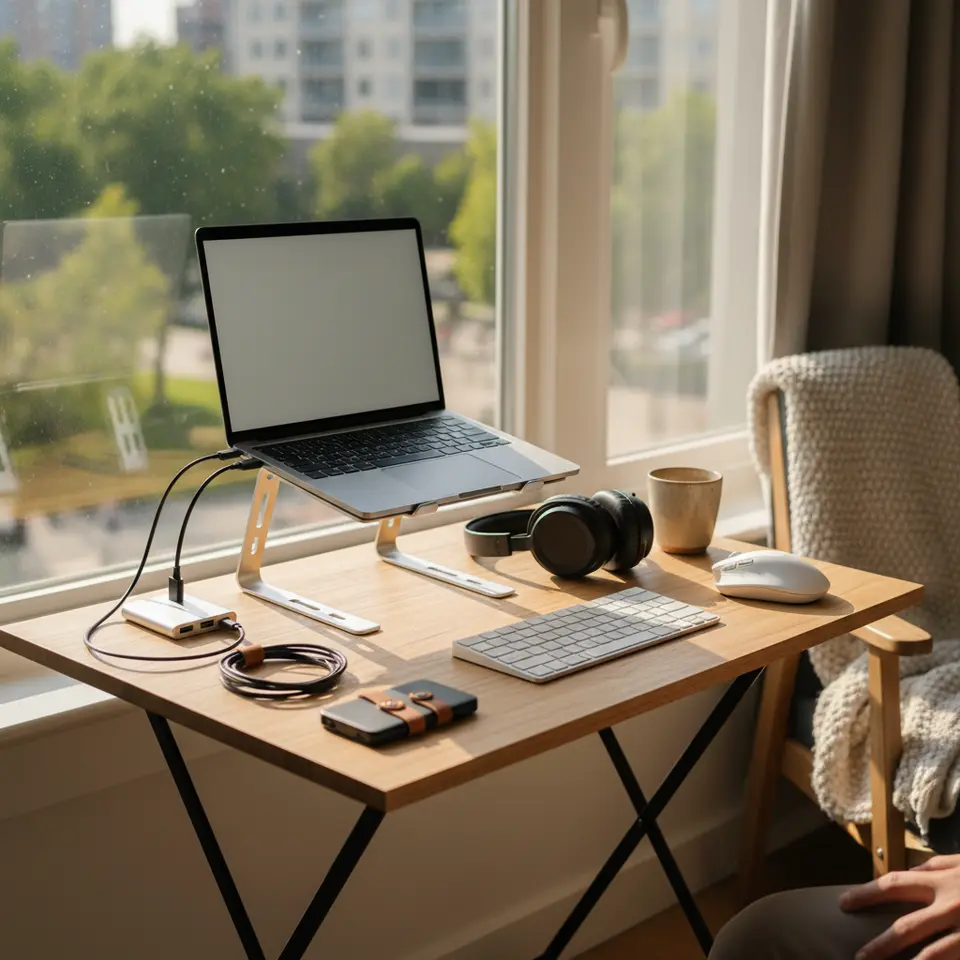
A professional workation demands a workspace that mirrors the efficiency of your usual office. Begin by selecting a lightweight yet powerful laptop that can handle your daily applications. Complement it with noise-canceling headphones to block ambient distractions, especially in cafés or shared accommodations. A foldable laptop stand improves ergonomics by raising the screen to eye level, while a compact external keyboard and mouse offer more comfortable typing and navigation. Finally, carry spare charging cables, a universal travel adapter, and a multiport USB-C hub to accommodate devices with varied connectivity options.
Ensuring Reliable Internet Access
Connectivity is the backbone of any remote-working setup. Before you depart, investigate the typical bandwidth in prospective destinations using resources like Speedtest.net or community platforms focused on digital nomads. Upon arrival, secure a local SIM card or global eSIM—services such as Airalo often provide affordable data bundles. For extra security, pack a portable travel router with failover capabilities that toggles between Wi-Fi, ethernet, and cellular networks. If your work depends on frequent video calls or large file transfers, consider obtaining a coworking membership that guarantees access to private booths and high-speed connections.
Optimizing Your Work Environment
Location flexibility is a key perk of a workation, but varying settings can impact productivity. Scout coworking spaces, libraries, and quiet cafés in advance. Many coworking venues organize community events, offering both professional amenities and networking opportunities. If you opt to work from your residence, designate a specific corner as your office zone—this mental boundary helps switch your mindset between ‘work mode’ and relaxation. Use portable privacy screens or noise-dampening pads on walls to enhance focus in shared rooms. By planning your daily workplace options, you’ll maintain consistency in output and well-being.
Maximizing Productivity on the Move
Structuring Your Daily Routine
Establishing a consistent schedule is crucial when boundaries between work and leisure blur. Block out time slots for deep-focus tasks, meetings, breaks, and exploration. Use calendar applications—Google Calendar, Outlook, or Fantastical—to color-code activities, ensuring you maintain a healthy balance. If you share accommodation, communicate your prime productivity hours and request minimal interruptions. Designing a morning ritual—whether it’s meditation, exercise, or journaling—can signal the start of a focused work session.
Leveraging Productivity Tools
Modern apps simplify task management and collaboration. Tools like Asana, Trello, or Notion help streamline project workflows, assign tasks, and track deadlines. Cloud storage services such as Google Drive or Dropbox keep your files organized and accessible from any location. To minimize digital interruptions, consider distraction-blocking applications like Freedom or Forest, which restrict access to social media and non-essential websites during designated work periods. These safeguards preserve your concentration and support deep work sessions.
Managing Time Zones and Collaboration
Working across multiple time zones demands meticulous coordination. Identify core overlap hours with team members or clients to schedule essential meetings. Incorporate a world-clock widget on your desktop or mobile device for quick reference. When inviting participants to video calls, clarify the time zone in the meeting invite and include a link to a reputable time-conversion tool (for example, timeanddate.com). This proactive approach prevents missed appointments and fosters smoother communication across regions.
Integrating Work with Local Adventures
Designing Micro-Adventures
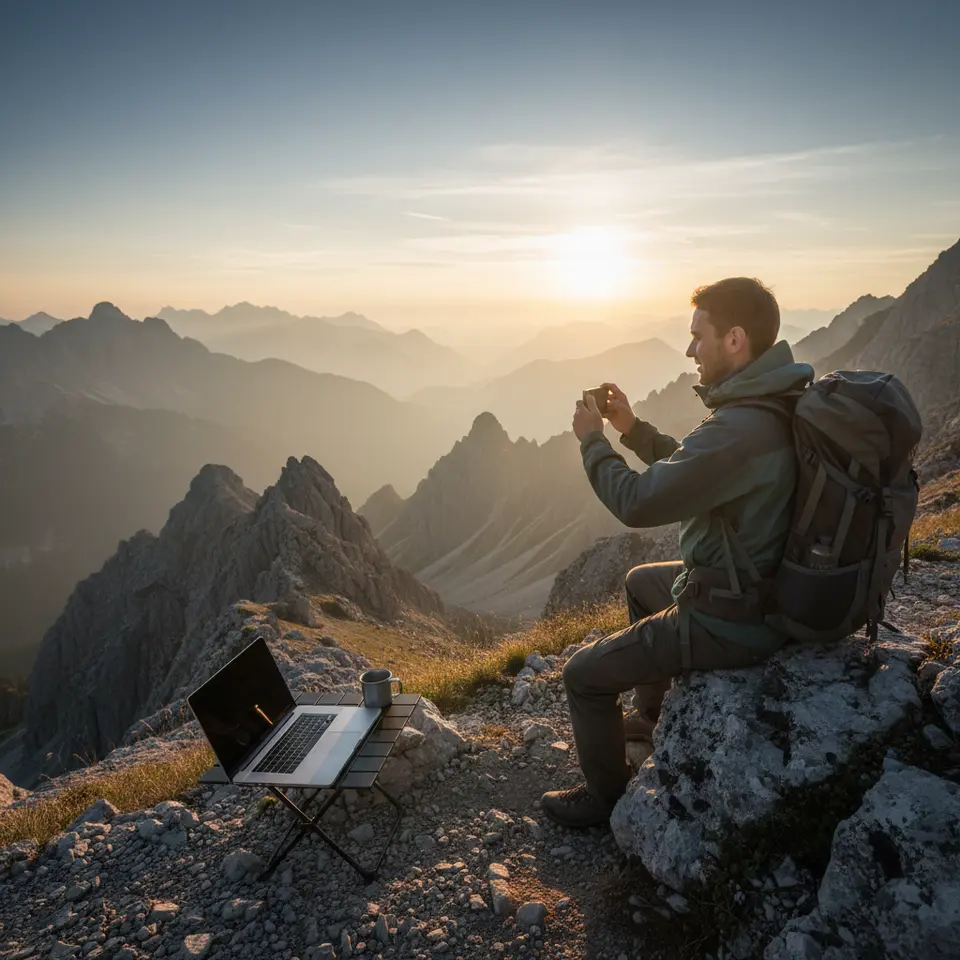
A signature element of a workation is infusing daily breaks with exploration. Plan short excursions—such as a sunrise hike, a ride on local transport, or a stroll through a historic district—to rejuvenate your mind between work blocks. Treat these micro-adventures as integral components of your schedule rather than afterthoughts. Setting aside 30 to 60 minutes for a quick local experience can boost creativity and sustain motivation throughout the day.
Strategizing Weekend Trips
Maximize extended weekends by mapping out day trips or overnight trips to nearby attractions. Align your big adventures with project milestones to avoid last-minute scheduling conflicts. For instance, wrap up high-priority assignments by Friday afternoon and allocate Saturday for a scenic road trip or cultural immersion. Reserve Sunday for lighter work tasks, administrative duties, and rest. By coordinating leisure around your deadlines, you’ll reduce stress and return to work refreshed.
Connecting with Local Communities
Immersing yourself in local culture enriches the workation experience and sharpens interpersonal skills. Learn key phrases of the native language to demonstrate respect and foster goodwill. Attend workshops, language exchanges, or traditional cooking classes to engage with residents. Platforms like Meetup and Couchsurfing offer events that encourage authentic cultural exchange. These interactions not only enhance your personal growth but may spark unexpected professional opportunities.
Maintaining Health, Wellness, and Cultural Connections
Prioritizing Physical Health
Balancing screen time with movement is essential for long-term wellness. Incorporate daily exercise—morning yoga sessions on a balcony, beach runs at sunset, or quick bodyweight circuits in your room. Apps such as Down Dog or 7 Minute Workout provide guided routines that require minimal equipment. Remember to stay hydrated; dehydration can exacerbate jet lag and impair cognitive function. For trusted health advice on staying fit while traveling, consult guidelines on the World Health Organization website.
Supporting Mental Well-Being
Maintaining mental balance is just as important as physical fitness. Dedicate time each morning to mindfulness practices like meditation or journaling. Apps such as Headspace and Calm can guide stress-management techniques when deadlines and travel hurdles collide. Keep a travel journal to reflect on experiences, track progress, and set intentions. Engaging with expat or digital-nomad online communities offers emotional support, advice, and shared experiences—reducing feelings of isolation.
Fostering Professional and Social Networks
Coworking environments double as social hotspots where chance conversations can lead to collaborations. Attend networking events, workshops, or “lunch and learns” to meet fellow professionals from diverse backgrounds. Engaging with peers can uncover new project ideas, partnerships, or local insights you might not discover otherwise. Building a global network enhances your career resilience and transforms your workation into a platform for growth.
FAQ
1. What is a workation and how does it work?
A workation combines remote work with travel, allowing professionals to work from different locations while enjoying new environments. It requires planning for internet, workspace setup, time zones, and productivity balance.
2. Who is best suited for a workation lifestyle?
Freelancers, remote employees, entrepreneurs, and digital nomads benefit most from workations. Anyone with location-independent work and flexible schedules can adopt this lifestyle effectively.
3. How do I choose the best destination for a workation?
Choose based on internet speed, cost of living, safety, climate, visa rules, and lifestyle preferences. Popular destinations often offer coworking spaces and strong digital infrastructure.
4. What equipment is essential for working remotely while traveling?
A lightweight laptop, noise-canceling headphones, portable keyboard, mouse, universal adapter, travel router, and reliable cloud storage are essential for productivity on the move.
5. How can I ensure stable internet during a workation?
Use local SIM cards, eSIM services, coworking spaces, and portable routers. Always research internet speed in advance and have backup connectivity options for important tasks.
6. How do I manage productivity during a workation?
Create a structured daily routine with fixed work hours, use task management tools, block distractions, and schedule breaks and exploration time to maintain balance.
7. Are workations expensive?
Costs vary depending on destination and lifestyle. Budget travelers can reduce expenses using shared housing, local food, and long-term rentals, while luxury options increase overall costs.
8. How do I handle time zone differences while working?
Use world clock tools, schedule overlapping hours with teams, and clearly communicate availability. Planning meetings in advance helps avoid confusion across regions.
9. Can I legally work while traveling abroad?
It depends on the country’s visa rules. Some offer digital nomad visas, while others allow remote work under tourist visas. Always check official government guidelines before traveling.
10. How can I stay healthy during a workation?
Maintain exercise routines, eat balanced meals, stay hydrated, and practice mindfulness. Combining physical activity with mental wellness routines ensures long-term productivity and energy.
Conclusion
Embracing a workation in can profoundly elevate both your productivity and personal fulfillment. By meticulously planning logistics, creating a portable yet efficient office, and structuring your days to include meaningful breaks, you’ll strike a harmonious balance between tasks and exploration. Prioritizing health, immersing yourself in local cultures, and leveraging modern tools for collaboration ensure you remain energized, focused, and connected, no matter where you set up your temporary workspace. Remember: the most memorable insights often emerge when you step beyond familiar routines. So pack your bags, chart your course, and embark on a workation that transforms any corner of the globe into an inspiring blend of vocation and vacation. Happy travels and productive days ahead!