
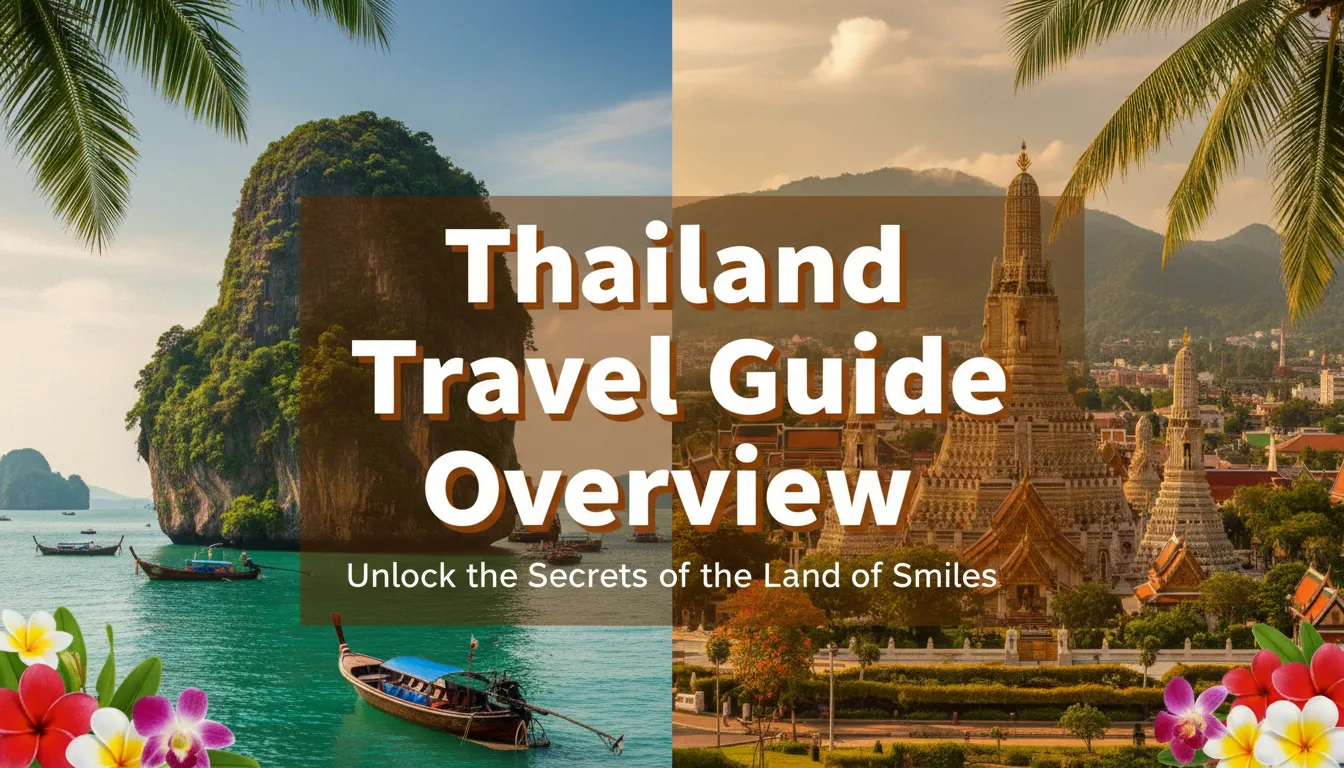
This in-depth article covers top attractions, deep cultural insights, and practical travel tips for visiting Thailand. You will discover the best times to fly, must-see regional destinations, local etiquette rules, and budgeting advice to help you craft a stress-free, deeply rewarding adventure.
Planning an unforgettable trip to Southeast Asia? This ultimate Thailand Travel Guide provides everything you need to experience vibrant cities, stunning beaches, and majestic ancient temples perfectly.
Why You Need a Thailand Travel Guide for Your Trip
Thailand offers a massive variety of experiences. From the dense jungles of the north to the crystal-clear waters of the south, organizing your trip requires careful planning. A structured approach ensures you maximize your time, respect local customs, and avoid common tourist traps. This comprehensive Thailand Travel Guide breaks down the country into manageable sections so you can build the perfect Thailand itinerary.
Understanding the Regions
Thailand features distinct regions, each offering a unique flavor. The north boasts lush mountains and strong cultural roots. The central plains host the bustling capital and ancient ruins. The southern peninsula features world-famous islands and pristine marine parks. Knowing how to divide your time between these areas is the first step in successful trip planning.
Mini-Conclusion: By understanding the regional differences, you can tailor your vacation to match your personal travel style, whether you seek adventure, relaxation, or historical exploration.
Top Attractions to Explore in Thailand
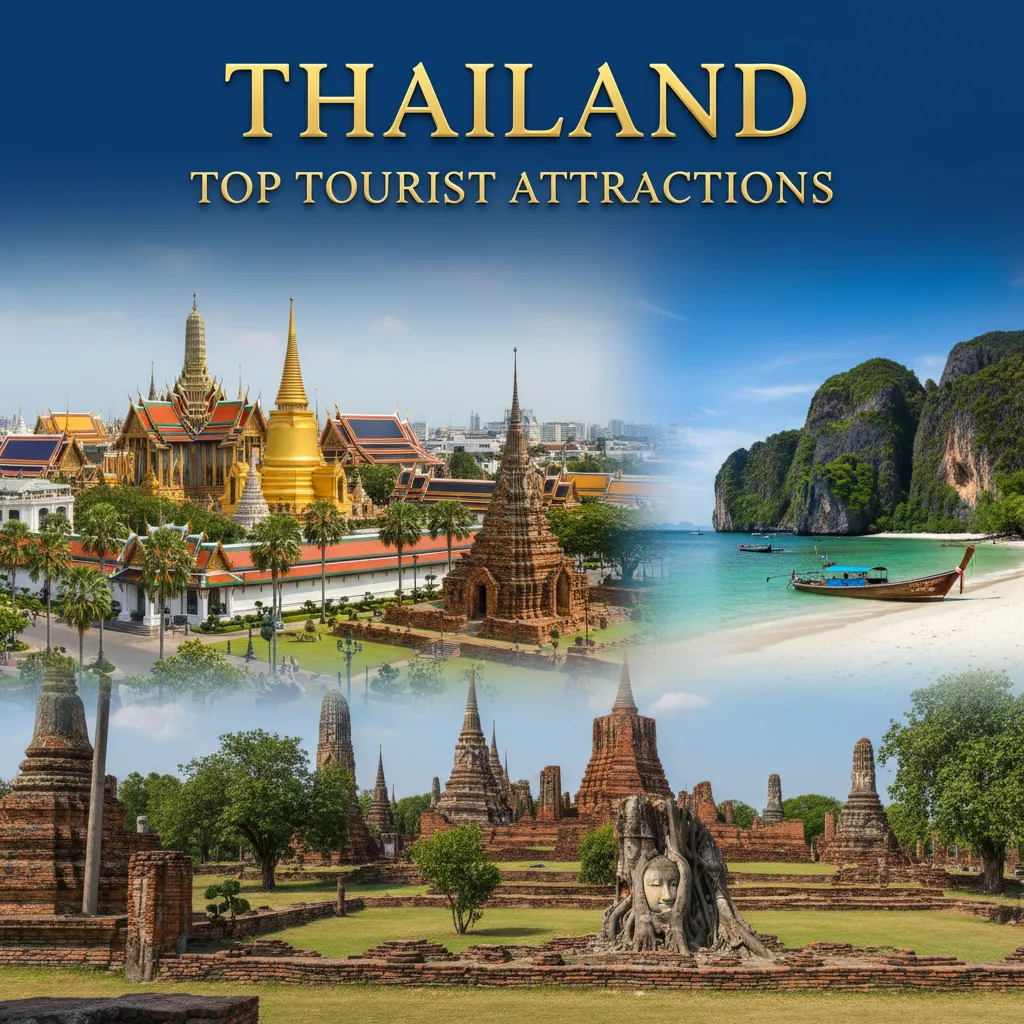
Thailand bursts with incredible sights. Here are the absolute must-visit locations to include in your travel plans.
Bangkok: The Bustling Capital
Most international visitors begin their journey in Bangkok. This massive metropolis blends towering skyscrapers with ancient historical sites.
- The Grand Palace and Wat Phra Kaew: This spectacular complex served as the official residence of the Kings of Siam. It houses the revered Emerald Buddha. Arrive early to beat the heat and the crowds.
- Wat Pho: Located just south of the Grand Palace, this temple features a massive reclining Buddha covered in gold leaf. It is also the birthplace of traditional Thai massage.
- Chatuchak Weekend Market: With over 15,000 stalls, this is one of the largest open-air markets in the world. You can find everything from vintage clothing to delicious street food.
Chiang Mai: The Cultural Heart
Located in the mountainous north, Chiang Mai offers a slower pace compared to Bangkok. It acts as a hub for digital nomads and culture enthusiasts.
- Doi Suthep: This stunning golden temple sits on a mountain overlooking the city. The panoramic views at sunrise or sunset are breathtaking.
- Elephant Sanctuaries: Northern Thailand provides opportunities to interact with elephants. Always choose an ethical sanctuary that prohibits riding, such as the Elephant Nature Park.
- Night Bazaars: Chiang Mai features incredible night markets where you can sample regional dishes like Khao Soi (a coconut curry noodle soup) and shop for local handicrafts.
The Thai Islands: Southern Paradise
No Thailand Travel Guide is complete without exploring the southern islands. The islands are divided into two main coastal areas: the Andaman Sea and the Gulf of Thailand.
Regional Island Comparison Table
|
Feature |
Andaman Sea (West Coast) |
Gulf of Thailand (East Coast) |
|---|---|---|
|
Top Destinations |
Phuket, Krabi, Koh Phi Phi, Koh Lanta |
Koh Samui, Koh Phangan, Koh Tao |
|
Best Time to Visit |
November to April |
January to August |
|
Vibe |
Dramatic limestone cliffs, luxury resorts |
Palm-fringed beaches, diverse nightlife |
|
Best For |
Island hopping, spectacular sunsets |
Scuba diving, Full Moon Party |
If you plan on getting your PADI certification, look into scuba diving in Koh Tao, which offers some of the most affordable and beautiful diving courses in the world.
Mini-Conclusion: Whether you prefer the dramatic scenery of the Andaman coast or the vibrant diving culture of the Gulf, Thailand’s islands offer a tropical paradise for every traveler.
Understanding Thai Culture and Etiquette
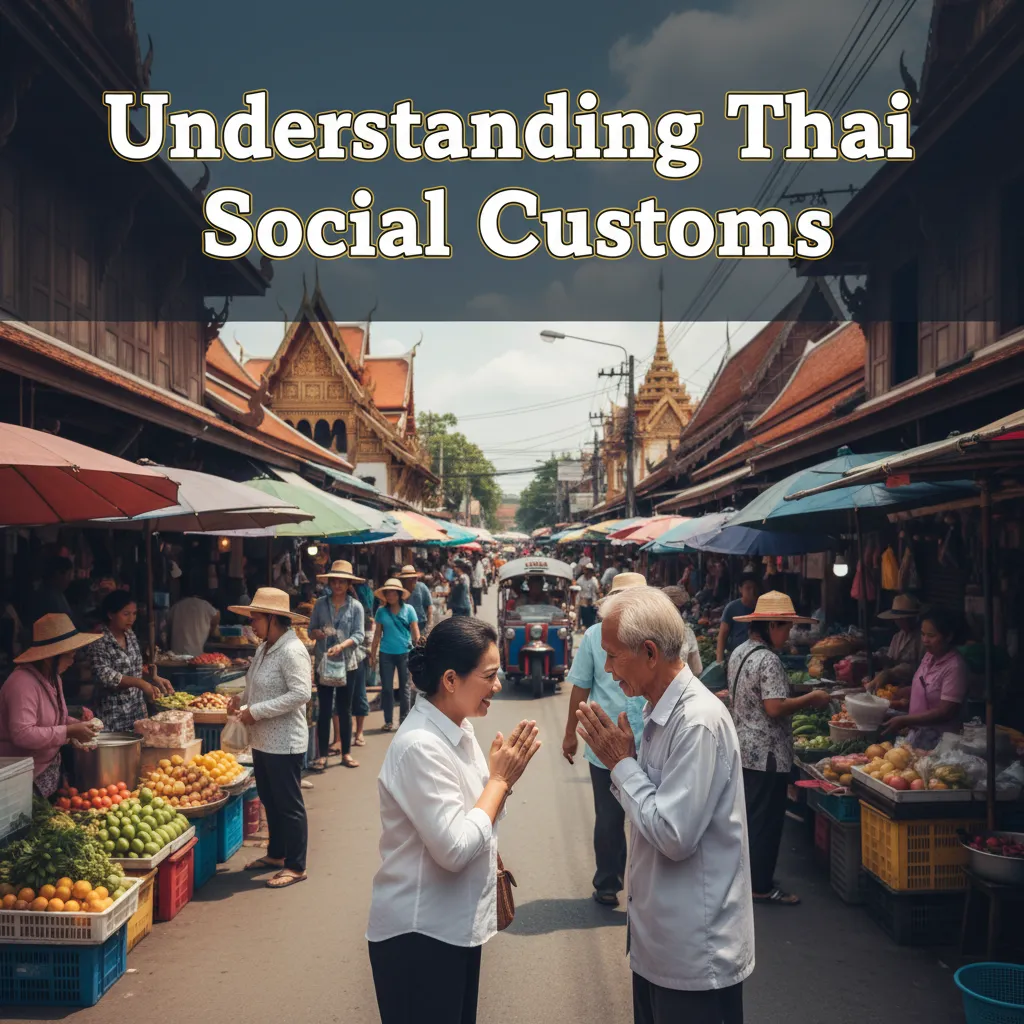
Thailand is known as the “Land of Smiles.” The people are incredibly welcoming, but they hold deep respect for their traditions. Understanding basic cultural norms will vastly improve your travel experience.
The Wai Greeting
Thais greet each other using the “Wai.” This involves pressing your palms together in a prayer-like fashion and bowing your head slightly. As a foreigner, you are not always expected to initiate the Wai, but returning one is a sign of respect.
Temple Etiquette
Buddhism plays a massive role in daily Thai life. When visiting temples (Wats), you must dress appropriately.
- Cover your shoulders and knees.
- Remove your shoes before entering the main worship areas.
- Never point your feet at an image of Buddha or another person, as feet are considered the lowest and dirtiest part of the body.
- Keep your voice down and observe local worshippers respectfully.
Respecting the Monarchy
The Thai royal family is highly revered. It is strictly illegal to insult, mock, or deface any image of the royal family. This law is heavily enforced. Always stand still if the national anthem plays in a public space, such as a train station or cinema.
Mini-Conclusion: Embracing Thai etiquette not only keeps you out of trouble but also opens doors to warmer, more authentic interactions with the local people.
Essential Thailand Travel Tips
To ensure your trip runs smoothly, keep these practical logistics in mind.
Best Time to Visit
Thailand experiences three main seasons: hot, cool, and rainy.
- Cool Season (November to February): This is the peak tourist season. The weather is dry, and temperatures are comfortable.
- Hot Season (March to May): Temperatures can soar above 100°F (38°C). This is a great time to hit the beaches, but city exploring becomes exhausting.
- Rainy Season (June to October): Monsoons bring heavy afternoon downpours. However, the landscapes become incredibly lush, and you will find excellent deals on accommodation.
Getting Around
Transportation in Thailand is efficient and affordable.
- Domestic Flights: Airlines like AirAsia and Nok Air offer cheap, quick flights between major hubs like Bangkok, Chiang Mai, and Phuket.
- Trains: The sleeper trains provide a scenic and comfortable way to travel long distances. The route from Bangkok to Chiang Mai is a traveler’s favorite.
- Tuk-Tuks and Taxis: In cities, tuk-tuks offer a fun, breezy ride. Always negotiate the fare before getting in. For taxis, insist the driver use the meter.
- Ride-Hailing Apps: Grab is the local equivalent of Uber. It provides fixed prices and eliminates the need to haggle.
Food and Dining
Thai cuisine is world-renowned for its complex balance of sweet, sour, salty, and spicy flavors.
- Eat at street food stalls where you see high turnover and long lines of locals. This ensures the food is fresh.
- Drink only bottled water. The tap water is not safe for consumption. Be sure to check the CDC guidelines for travel to Thailand for comprehensive health advice before you depart.
- Try local favorites like Pad Krapow (basil stir-fry), Som Tum (green papaya salad), and Mango Sticky Rice. If you want to recreate these dishes at home, look up the best Thai food recipes to practice before your trip.
Mini-Conclusion: Planning your logistics ahead of time relieves travel anxiety. Mastering the local transport and dining scene allows you to navigate the country like a pro.
Common Mistakes to Avoid in Thailand
Even experienced travelers trip up sometimes. Keep these common pitfalls off your itinerary.
- Riding Elephants: Never visit a camp that offers elephant rides. This practice requires cruel training methods. Opt for ethical observation sanctuaries instead.
- Ignoring Visa Rules: Ensure you know your visa requirements. Overstaying your visa results in hefty daily fines and potential bans from re-entering the country.
- Renting a Motorbike Without Experience: Motorbike accidents are incredibly common among tourists. If you do not have a motorcycle license and experience at home, do not rent one in Thailand.
- Drinking Tap Water: Always stick to sealed bottled water or filtered refill stations to avoid waterborne illnesses.
- Falling for the “Closed Temple” Scam: If a friendly local tells you a major attraction is closed for a holiday and offers to take you elsewhere, politely decline. This is a classic scam to drive you to overpriced gem or tailor shops. Check the US State Department travel advisories for more information on common tourist scams.
Expert Insights and Pro Tips

To elevate your trip from good to unforgettable, utilize these expert strategies.
- Carry Cash: While large hotels and malls accept credit cards, street vendors, rural markets, and small transport operators run strictly on cash (Thai Baht). Always carry small bills to make transactions easier.
- Pack Light: Thailand is hot and humid. Bring breathable, lightweight clothing. Laundry services are incredibly cheap and accessible everywhere, so you do not need to pack an outfit for every single day. Review a reliable packing list for Southeast Asia to ensure you only bring the essentials.
- Buy a Local SIM Card: Staying connected makes navigating via Google Maps and calling Grab taxis effortless. You can easily purchase a tourist SIM card at the airport upon arrival.
- Book Accommodation in Advance for Peak Season: If you are traveling between December and February, secure your hotels early. The best spots book up months in advance.
- Respect the Ocean: When swimming or snorkeling, use reef-safe sunscreen to protect the delicate marine ecosystems. Check resources like the Tourism Authority of Thailand for updates on protected marine parks.
Mini-Conclusion: Armed with these pro tips, you can bypass the usual tourist frustrations and dive straight into the beauty and culture of your surroundings.
Conclusion
Your adventure awaits in the Land of Smiles. By using this complete Thailand Travel Guide, you can confidently navigate bustling markets, serene temples, and pristine beaches. Start planning your dream itinerary today, book those flights, and get ready to experience the vibrant culture and unforgettable beauty of Southeast Asia.
FAQs
1. Do I need a visa to visit Thailand?
Most travelers from the US, UK, and Europe can enter Thailand without a visa for up to 30 days under the visa exemption rule. Always check current regulations with your local Thai embassy before booking your flights, as rules can change.
2. Is Thailand safe for solo travelers?
Yes, Thailand is highly regarded as a safe destination for solo travelers, including solo female travelers. Violent crime against tourists is rare. Exercise standard precautions, such as watching your belongings in crowded areas and avoiding poorly lit streets at night.
3. What is the currency in Thailand?
The official currency is the Thai Baht (THB). While cards are accepted in high-end establishments, cash is king for street food, local markets, and small transportation fees like tuk-tuks.
4. Can I use my phone in Thailand?
Yes. You can easily purchase a prepaid tourist SIM card at major airports or convenience stores like 7-Eleven. They are inexpensive and offer excellent 4G/5G data coverage across the country.
5. How much should I budget for a day in Thailand?
Budget travelers can comfortably survive on $30 to $50 a day, covering hostel beds and street food. Mid-range travelers should budget $70 to $120 for nice hotels, restaurant meals, and guided tours. Luxury travel can cost $200+ per day.
6. What vaccines do I need for Thailand?
The CDC recommends being up to date on routine vaccines. Most travelers should also get vaccinated for Hepatitis A and Typhoid, as you can contract these through contaminated food or water. Consult your doctor regarding Malaria or Japanese Encephalitis pills.
7. Do people speak English in Thailand?
In major tourist hubs like Bangkok, Chiang Mai, and Phuket, English is widely spoken and understood. In rural areas, English speakers are rare, so downloading a translation app is highly recommended.
8. What should I pack for Thailand?
Pack lightweight, breathable clothing suitable for hot and humid weather. Include a modest outfit (covering shoulders and knees) for temple visits. Don’t forget comfortable walking shoes, a swimsuit, reef-safe sunscreen, and mosquito repellent.
9. Are ATMs widely available in Thailand?
Yes, ATMs are ubiquitous in cities and on major islands. Note that Thai banks charge a standard withdrawal fee for foreign cards (usually around 220 THB). Using a travel card that reimburses ATM fees can save you money.
10. What is the best way to travel between cities?
For long distances (like Bangkok to Chiang Mai), domestic flights are the fastest option, while sleeper trains offer a scenic, budget-friendly alternative. For shorter trips or island hopping, VIP buses and ferries are comfortable and reliable.









[…] with a comprehensive Vietnam travel guide, tourists frequently make preventable […]