Stargazing travel offers immersive experiences under pristine night skies in global dark-sky destinations. With proper planning, gear, and sustainability practices, travelers can enjoy astronomy tourism, astrophotography, and cultural night-sky experiences while exploring the universe.
When daylight gives way to night, the sky transforms into a breathtaking canvas of stars, planets, and distant galaxies waiting to be explored. For travelers who embrace the art of stargazing travel, these celestial vistas offer a perfect blend of wonder and introspection. In today’s world, where light pollution has dimmed much of the night sky, seeking out remote dark-sky havens has become a passionate pursuit for astronomy buffs, photographers, and curious adventurers alike. This blog post will guide you through the essentials of planning a transformative stargazing travel experience, unveil the top global destinations to witness the universe in all its glory, and provide expert tips on capturing night-sky masterpieces. Whether you’re looking for organized observatory tours or off-the-grid solitude, you’ll learn how to prepare, what gear to pack, and how to leave a positive impact on fragile ecosystems. Get ready to journey beyond the ordinary and let the cosmos inspire your next adventure this year.
Premier Destinations for Stargazing Travel
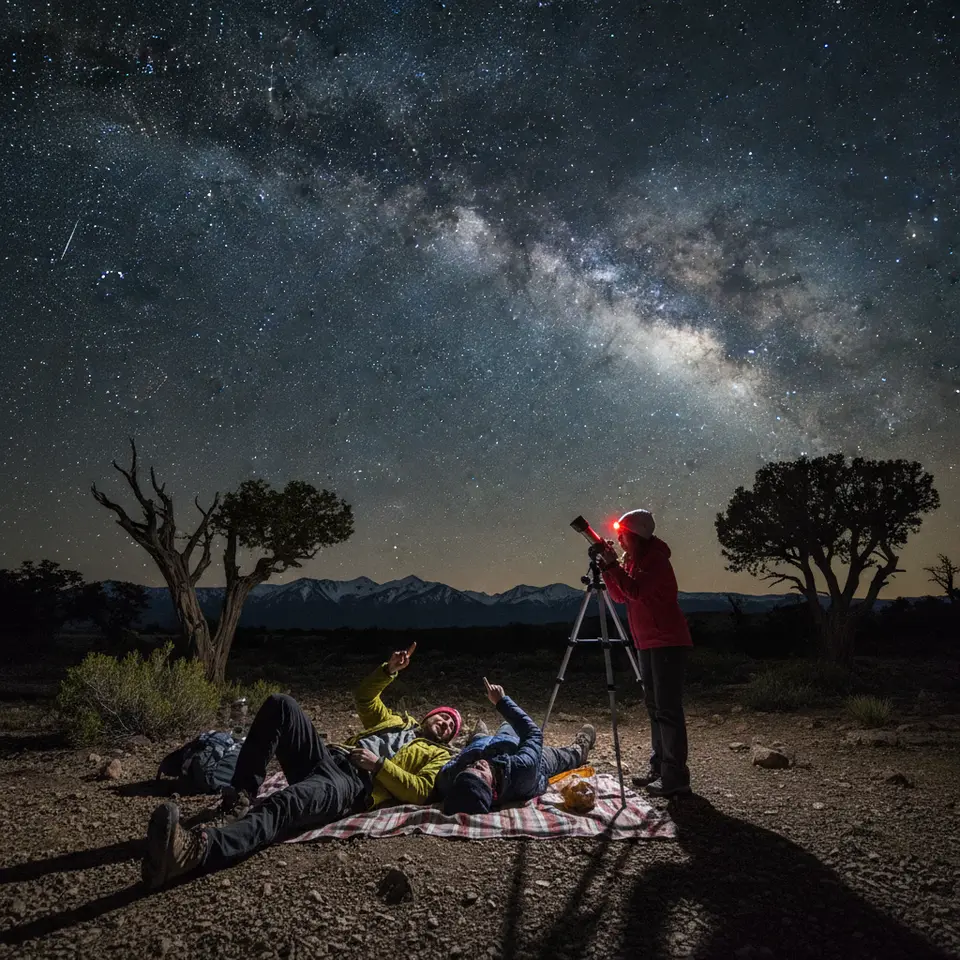
Choosing the right location is the first step toward an unforgettable stargazing travel experience. Here are some of the world’s most celebrated dark-sky sites where you can gaze at the heavens in unparalleled clarity.
Atacama Desert, Chile
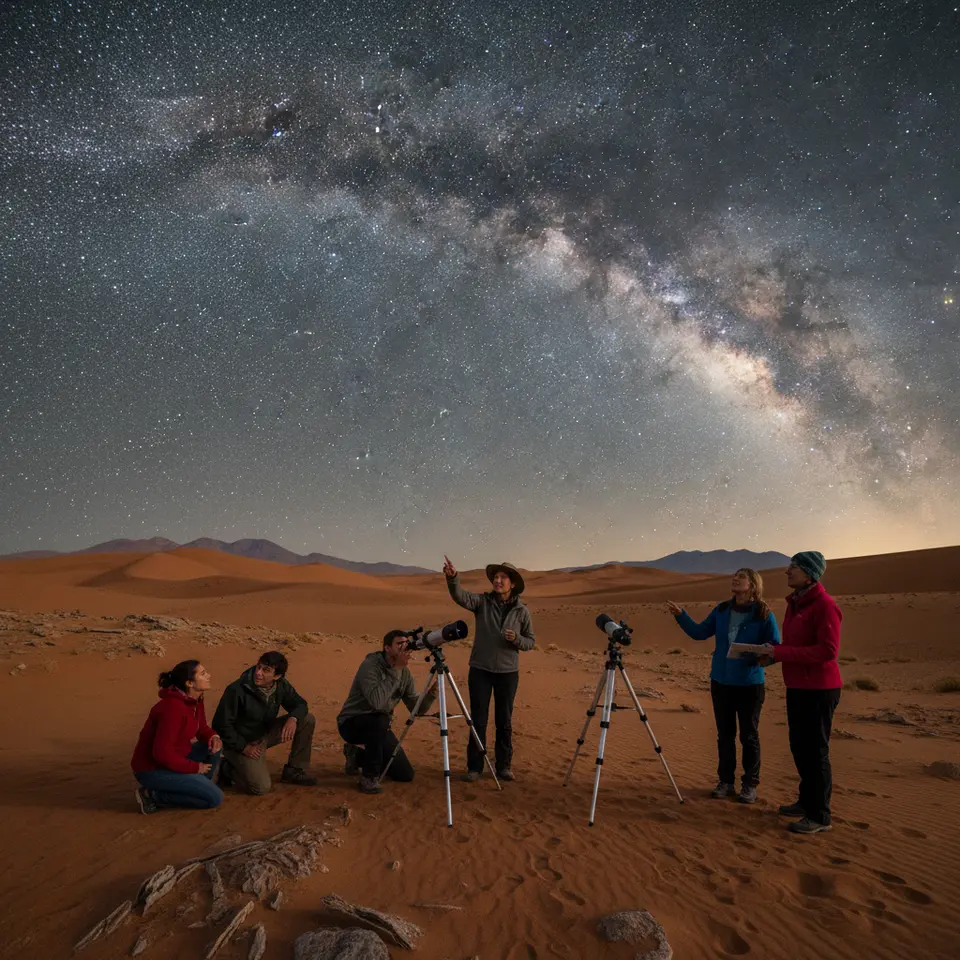
Regarded as one of Earth’s most arid regions, the Atacama Desert benefits from high altitude, minimal humidity, and almost zero light pollution. Observatories like the Atacama Large Millimeter/submillimeter Array (ALMA) offer guided night tours that delve into cutting-edge astronomy research. Nearby Valle de la Luna provides a serene backdrop for independent sky-watching—its lunar-like landscapes bathed in starlight make it ideal for immersive stargazing travel.
Jasper National Park, Canada
As a designated Dark Sky Preserve, Jasper National Park combines rugged mountain scenery with some of North America’s darkest skies. Visitors can attend the annual Jasper Dark Sky Festival, featuring expert-led astronomy workshops and telescope viewings. For those seeking solitude, backcountry campgrounds allow you to lie under a Milky Way–laden sky free from urban glare.
Namib Desert, Namibia
Stretching along Africa’s southwestern coast, the Namib is famed for its towering dunes and near-perfect night-sky conditions. With virtually no cloud cover, this desert is a prime location to witness Southern Hemisphere constellations—most notably the Southern Cross. Cultural tours led by local Himba guides also offer fascinating insights into indigenous star lore.
Aoraki Mackenzie, New Zealand
This International Dark Sky Reserve on New Zealand’s South Island boasts world-class protection against light pollution. Visitors can join Maori cultural evenings to learn traditional astronomy stories and marvel at the Milky Way’s vivid core rising over snow-capped peaks. The region’s clear summers and cool winter nights make it an all-season favorite for stargazing travel.
La Palma, Canary Islands, Spain
La Palma’s remote western coastline is dotted with stargazing platforms, where altitude limits and strict lighting regulations guarantee pristine views. Professional and amateur astronomers alike flock here to capture sharp planetary details through compact telescopes. Local observatories frequently host outreach programs, combining science with island hospitality.
Planning Your Stargazing Journey
Effective preparation can make or break your stargazing travel adventure. Follow these guidelines to maximize your chances of a stellar sky experience.
Timing and Moon Phases
For optimal darkness, plan your trip around a new-moon phase. The absence of lunar glow ensures fainter stars, meteor showers, and the Milky Way’s ribbon stand out vividly. The Perseids in August and Geminids in December are among the most reliable meteor showers, but check authoritative sources like the NASA meteor shower calendar before you go.
Climate and Altitude Considerations
Desert locales offer clear nights but extreme daily temperature swings—prepare for scorching days and freezing nights by packing appropriate layers. High-altitude parks may require acclimatization and sometimes permits for backcountry stays. Research local climate data from national park services or government weather agencies to choose the best window for your visit.
Guided Tours vs. Independent Exploration
Many dark-sky reserves and observatories provide nighttime programming with professional telescopes, astrophysicists, and interpretive sessions. Joining these tours can enrich your understanding of cosmic phenomena and provide access to equipment. Conversely, if you crave solitude, pinpoint dispersed camping sites or private stargazing lodges—just verify any restrictions in advance.
Astrophotography Essentials
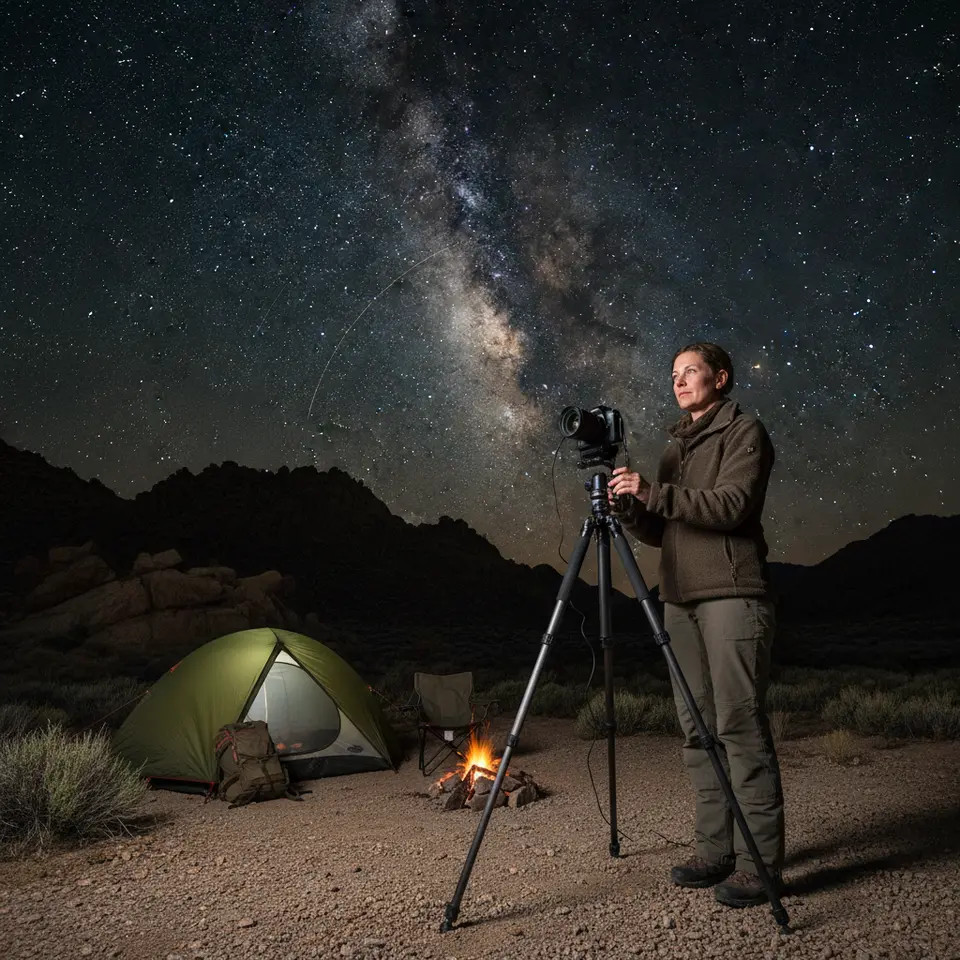
Photographing the night sky adds a creative dimension to stargazing travel. Whether you’re capturing star trails or deep-sky objects, a few key pieces of equipment and techniques can elevate your results.
Camera and Lens Selection
A DSLR or mirrorless body paired with a fast wide-angle lens (f/2.8 or faster) is ideal for sweeping Milky Way landscapes. A sturdy tripod prevents shake during long exposures, and a remote shutter release or intervalometer allows hands-free shooting. Set your ISO between 1600 and 3200, aperture wide open, and experiment with shutter speeds from 15 to 30 seconds.
Star-Tracking and Deep-Sky Imaging
If you aim to capture galaxies, nebulae, or planetary details, invest in a star-tracking mount. These devices counteract Earth’s rotation, enabling longer exposures without star trailing. Advanced photographers can attach dedicated astronomical cameras and color filters to unveil striking nebular hues.
Planning and Post-Processing
Use planetarium apps such as Stellarium or Sky Guide to plan your composition and pin down celestial targets. Post-processing software (e.g., Adobe Lightroom, PixInsight) will help bring out faint details, stack multiple exposures, and blend foreground landscapes with starry skies. Always shoot in RAW format to retain maximum image data.
Power and Storage
Cold temperatures can drain lithium-ion batteries quickly—carry spares in insulated pockets and consider a portable power bank. Pack multiple high-capacity memory cards for extended sessions, and back up your files daily to avoid data loss.
Packing List for Nighttime Expeditions
A well-curated kit ensures comfort and safety during your stargazing travel nights. Below are must-have items to include in your bag.
Clothing and Personal Gear
- Thermal base layers, fleece mid-layers, and insulated outer shells
- Warm hat, gloves, and wool socks
- Red-light headlamp to preserve night vision
- Sturdy hiking boots for rugged terrain
Camping and Safety
- Four-season tent and a sleeping bag rated for low temperatures
- Compact camp stove, cookware, and fuel
- First-aid kit, map, and compass
- Portable power bank and charging cables
Navigational Aids
- Physical star charts and night-sky maps as backupsA
- GPS device or a smartphone with offline maps enabled
Food and Hydration
- High-energy snacks like nuts, dried fruit, and energy bars
- Insulated water bottles to prevent freezing
- Avoid caffeine late in the evening to maintain relaxed observance
Responsible Stargazing and Sustainability
Conscientious travel ensures future generations can continue to enjoy pristine night skies. Incorporating sustainable practices during your stargazing travel trip benefits local communities, wildlife, and the environment.
Light Pollution Mitigation
Select accommodations that adhere to eco-friendly lighting standards—shielded fixtures, warm-colour bulbs, and minimal nighttime illumination. When observing, use red-filtered lights only, which have less impact on human night vision and nocturnal species.
Leave No Trace
Pack out all trash, avoid disturbing flora and fauna, and camp only in designated areas. Many Dark Sky Preserves limit visitor numbers—reserve your spot well in advance to reduce ecological strain.
Supporting Local Economies
Engage indigenous guides or family-run businesses to learn authentic cultural perspectives on astronomy. In regions like Australia or Canada, First Nations storytellers share Dreamtime or creation stories that deepen your connection to the cosmos.
Scientific and Educational Contributions
Some observatories and research projects welcome citizen scientists for meteor counts or variable star observations. Check programs at institutions such as the European Southern Observatory to see how your observations can aid real research.
Choosing the Perfect Dark Sky Destination
Selecting the right destination is crucial for successful stargazing travel. Factors such as altitude, humidity, weather stability, and light pollution levels determine sky clarity. High-altitude deserts, remote islands, and protected national parks are ideal choices. Travelers should research Bortle Scale ratings to evaluate sky darkness before booking. Accessibility and safety also matter, especially for remote areas. Some destinations offer observatories and guided astronomy programs, while others provide complete solitude. Choosing a location that matches your experience level ensures comfort, safety, and maximum visibility of celestial objects like the Milky Way, planets, and meteor showers.
Night Sky Navigation Skills for Beginners
Understanding the night sky enhances any stargazing travel experience. Beginners should learn basic constellation patterns such as Orion, Ursa Major, and the Southern Cross. Star maps and mobile apps can help identify celestial objects in real time. Learning how to locate Polaris (Northern Hemisphere) or the South Celestial Pole improves orientation. Seasonal sky changes also affect what is visible throughout the year. With practice, travelers can easily navigate the cosmos without advanced equipment. These foundational skills make stargazing more interactive, educational, and rewarding, turning every night sky into a personal exploration of the universe.
Astrotourism Lodges and Night Sky Resorts
Astrotourism lodges are specially designed accommodations that enhance stargazing travel experiences. These resorts are often located in certified dark-sky areas and feature minimal artificial lighting, open sky terraces, and telescope access. Some even provide guided astronomy sessions with experts. Guests can enjoy luxury stays while directly observing celestial events from their rooms or outdoor decks. These lodges combine comfort with science-based tourism, making them ideal for families, couples, and photographers. Many establishments also follow eco-friendly practices to preserve night sky quality. Astrotourism lodging is becoming a major trend in global travel experiences.
Cultural Astronomy and Ancient Sky Wisdom
Many stargazing travel destinations offer deep cultural connections to the night sky. Indigenous communities across Africa, Australia, and the Americas have long used stars for navigation, storytelling, and seasonal guidance. These traditions provide unique perspectives on constellations and celestial events. Learning cultural astronomy enriches the travel experience by connecting science with heritage and mythology. Guided storytelling sessions often explain how ancient civilizations interpreted the cosmos. This blend of science and culture creates a deeper emotional connection to the universe while preserving traditional knowledge for future generations of travelers and astronomy enthusiasts.
Equipment Maintenance and Night Gear Care
Proper maintenance of stargazing equipment ensures long-term performance during travel. Cameras, telescopes, and lenses must be protected from dust, humidity, and temperature changes. Using silica gel packs helps prevent moisture damage in storage bags. Tripods and mounts should be checked for stability before each session. Batteries must be kept warm in cold environments to maintain power efficiency. Cleaning optical surfaces with microfiber cloths ensures clear imaging. Organizing gear in waterproof cases is essential for remote expeditions. Proper maintenance not only improves performance but also extends the lifespan of expensive astronomy equipment.
Environmental Impact of Night Tourism
Stargazing travel must balance exploration with environmental responsibility. Increased tourism in dark-sky areas can disturb wildlife and contribute to light pollution if not managed properly. Travelers should use red-light torches, avoid loud noise, and follow designated paths. Supporting eco-certified accommodations helps reduce environmental damage. Responsible tourism ensures that fragile ecosystems remain protected while still allowing visitors to enjoy the night sky. Many destinations now enforce strict lighting regulations and visitor limits. Sustainable practices help preserve natural darkness, ensuring future generations can continue experiencing clear and unpolluted views of the cosmos.
Frequently Asked Questions
1. What is stargazing travel?
Stargazing travel refers to visiting remote or dark-sky destinations specifically to observe stars, planets, and celestial events with minimal light pollution and clear night skies.
2. Why is dark-sky location important?
Dark-sky locations are essential because they minimize artificial light interference, allowing travelers to see faint stars, galaxies, and the Milky Way clearly and vividly.
3. What is the Bortle Scale?
The Bortle Scale measures night sky brightness from Class 1 (excellent dark sky) to Class 9 (inner-city sky). Lower numbers indicate better stargazing conditions.
4. Can beginners enjoy stargazing travel?
Yes, beginners can easily enjoy stargazing travel using apps, guided tours, and basic binoculars or telescopes. Many destinations offer beginner-friendly astronomy programs.
5. What equipment is best for stargazing?
Basic equipment includes binoculars, telescopes, star maps, warm clothing, red-light flashlights, and optionally a DSLR camera for astrophotography.
6. How does the weather affect stargazing?
Clear, dry, and cloud-free skies are ideal. Humidity, rain, or heavy cloud cover can completely block the visibility of stars and celestial objects.
7. What are the most common celestial events?
Meteor showers, lunar eclipses, planetary alignments, and Milky Way visibility seasons are the most popular events for stargazing travelers.
8. Is astrophotography difficult for beginners?
No, beginners can start with simple long-exposure photography using a tripod and wide-angle lens. Practice and basic editing improve results significantly.
9. How can I avoid light pollution while traveling?
Choose remote destinations, avoid urban areas, use light pollution maps, and stay in certified dark-sky reserves for the best viewing experience.
10. Is stargazing travel eco-friendly?
It can be eco-friendly if travelers follow “Leave No Trace” principles, minimize light use, support local communities, and choose sustainable accommodations.
Conclusion
Embracing stargazing travel this year (2026) offers more than just a view of the night sky—it’s an invitation to reflect on our place within the vast universe. By selecting premier dark-sky destinations, preparing thoughtfully, and respecting environmental and cultural protocols, you’ll craft an experience that resonates long after you return home. Whether you capture the Milky Way arching over ancient dunes or quietly marvel at shooting stars from a secluded wilderness camp, your nocturnal adventure promises memories as boundless as the cosmos itself. Pack your gear, set your sights skyward, and embark on a journey that transcends the everyday in today’s digital landscape of travel exploration.