
Ancestry travel transforms a simple vacation into a profound voyage of self-discovery. Today, genealogical journeys enable you to step into the landscapes where your forebears lived, forging an intimate link between past and present. Whether you grew up listening to family lore or are embarking on your first family tree exploration, a well-planned trip can reveal hidden chapters of your lineage. In this year (2026), technology and global connectivity make it more accessible than ever to uncover records, interview distant relatives, and walk the streets that shaped your heritage. By engaging in ancestry travel, you not only deepen your understanding of identity but also contribute to preserving stories for future generations. This guide will provide a comprehensive roadmap for researching your ancestry, planning an immersive itinerary, selecting meaningful destinations, managing practical logistics, and honoring cultural protocols. Along the way, you will discover expert tips, reliable resources, and ethical guidelines to ensure your genealogical adventure is both enriching and respectful. Prepare to gather cherished family documents, harness powerful online platforms, visit archives and archives, and connect with communities that welcome you as a relative. The journey ahead promises moments of revelation, heartfelt encounters, and a profound appreciation for the tapestry of history that guides your sense of self. In addition to personal insights, ancestry travel offers opportunities to engage with local customs, savor traditional cuisine, and participate in cultural rituals handed down through generations. You might attend a village festival or help prepare an ancestral recipe alongside community elders. Such immersive experiences transform abstract genealogical data into living traditions, making your family history come alive.
Embracing the Journey of Ancestral Discovery
Ancestry travel offers a profound opportunity to bridge generations and gain a deeper sense of belonging. By venturing to the regions where your forebears lived, you step beyond secondary accounts and encounter the landscapes, traditions, and stories that shaped your family narrative. Today, explorers seeking to connect with their lineage find that this form of travel delivers emotional rewards that extend far beyond typical sightseeing. It can evoke moments of revelation, as when you uncover a hidden photograph tucked into a dusty archive or stand in front of a centuries-old family home. Such discoveries often spark a powerful connection, transforming names on a chart into living memories.
One of the most compelling aspects of ancestry travel is its ability to strengthen your identity. Many people recall childhood stories about distant relatives or ancestral myths, but stepping onto ancestral soil makes those tales tangible. Walking along winding village streets or exploring ancestral farmland ignites curiosity and can reshape your understanding of personal history. This immersive experience fosters empathy for preceding generations who lived through different economic, political, and social landscapes.
Genealogical journeys also offer an opportunity to forge new relationships with extended family members. Researchers today frequently utilize online platforms to identify living relatives, arrange interviews, and coordinate visits. Meeting cousins and distant aunts or uncles in person can lead to shared meals, exchanged anecdotes, and a strengthened family network. These interactions often reveal unexpected connections—a old family recipe or a childhood photograph—and contribute to a narrative that becomes richer with each passing conversation.
Beyond personal enrichment, ancestry travel serves a vital role in preserving cultural heritage. By respecting local traditions, visiting community archives, and engaging with custodians of history, travelers contribute to the preservation of regional stories. Whether you tour a church registry in rural Ireland or a municipal archive in a Southern Italian town, your interest supports local efforts to safeguard documents and oral histories. Many archival institutions rely on visitors to recognize and appreciate the significance of their collections, which can inspire ongoing documentation and conservation projects.
Whether you are tracing your roots for the first time or revisiting familiar places, ancestry travel offers an unparalleled way to connect with who you are and where you come from. This journey transcends standard tourism and becomes a personal pilgrimage, filled with discovery, reflection, and growth. With guided research, thoughtful planning, and respect for local customs, you can embark on a deeply meaningful adventure that resonates long after you return home.
Building a Solid Foundation with Research
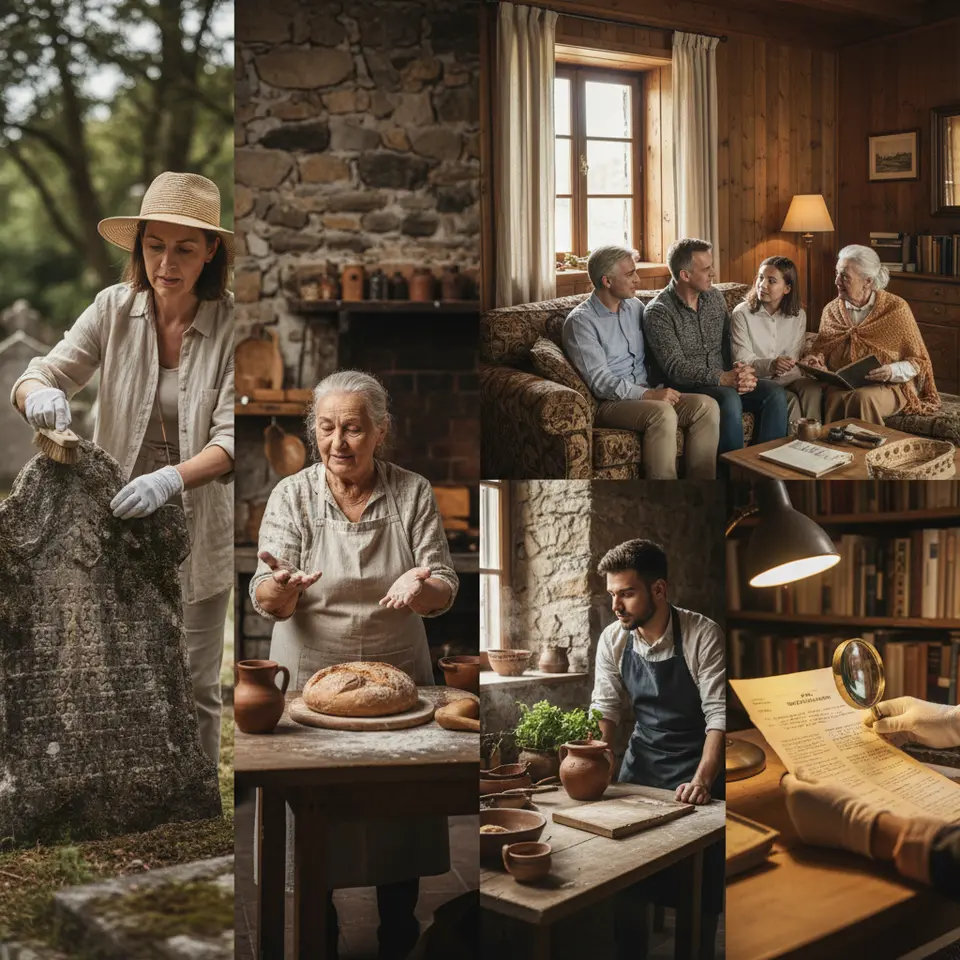
Effective ancestry travel begins with thorough research and organized planning. Before you book any flights, gather essential documents such as birth certificates, marriage licenses, old letters, photographs, and family diaries. These records provide crucial names, dates, and locations that will guide your journey. Conduct interviews with older relatives to capture personal anecdotes and family lore that may not be documented online. Recording these stories can unveil important clues and strengthen your research from the outset.
Online resources have revolutionized genealogical work. Platforms like FamilySearch offer access to billions of digitized records, including census data, immigration logs, and military registers. Many national archives now provide searchable databases; for example, the National Archives maintains extensive immigration and naturalization records for travelers with American roots. By building a detailed digital family tree, you can pinpoint specific towns, counties, and parishes to visit, ensuring your itinerary aligns with documented family history.
When records are fragmented or written in a foreign language, hiring a professional genealogist or local researcher can save time and uncover hidden gems. Experts based in key regions often have insider knowledge of archive locations, local naming conventions, and regional customs. Although this service adds to the budget, professional support can reveal obscure church registries, land deeds, and probate documents that are not accessible online. Engage with reputable genealogy societies or university-affiliated researchers to ensure credibility and data accuracy.
In addition to official records, explore academic publications and university libraries that specialize in regional history. Institutions such as the Harvard Library or local university archives often house rare manuscripts, maps, and family papers. These resources provide context about migration patterns, economic conditions, and social structures that influenced your ancestors’ lives. Understanding the broader historical backdrop enriches your ancestry travel experience and fosters deeper cultural appreciation.
Creating a research timeline with milestones and tasks keeps you organized. Use digital tools or genealogy software to track data sources, flag questionable records, and schedule deadlines for document requests or interviews. This systematic approach helps prevent oversights that could cost time and money during your trip. As you prepare for your ancestry travel adventure, remember that comprehensive groundwork sets the stage for a successful and enriching journey—one that connects you meaningfully with your family heritage.
Navigating Travel Planning and Logistics
Once your research foundation is in place, it is time to plan the practical aspects of your ancestry travel adventure. Start by drafting a flexible itinerary that balances archival research with cultural experiences. Reserve time for visits to local archives, civil registries, and churches, but also allow for spontaneous discoveries—such as stumbling upon a family homestead or local festival. Flexibility ensures that you can adapt when new leads emerge.
Budgeting for an ancestry travel trip requires careful consideration of several factors. Airfare and ground transportation can vary widely depending on destination and season. Consider open-jaw flights or multi-city routes to explore different regions efficiently. Accommodations range from hotels and guesthouses to homestays with local families, providing deeper immersion while often reducing costs. Don’t overlook fees associated with archive access, document duplication, or professional researcher services that you may hire on site.
Securing the right documentation is critical. Always carry original family records alongside photocopies and digital scans stored in cloud-based platforms. Some archives and municipal offices require advance appointments or research permits, so confirm opening hours and access policies before departure. If records are housed in government buildings or private institutions, inquire about regulations regarding photography, copying, or note-taking. This preparation helps avoid delays and ensures you maximize productive research time.
Language barriers can pose significant challenges, especially in rural areas. Learning key genealogical terms and common phrases in the local language can streamline conversations and archive visits. Utilize language apps or online tutorials to practice pronunciation. Hiring a certified translator or working with a bilingual guide offers additional support; they can navigate complex documents and facilitate interactions with archivists and community members.
Prioritize health and safety by securing comprehensive travel insurance that covers medical emergencies, trip interruptions, and personal belongings. Consult a travel medicine clinic to discuss vaccinations or health advisories for remote destinations. Equip yourself with essential tech tools: a high-resolution camera or smartphone for scanning documents, a portable power bank, and a compact scanner if needed. Ensure your devices are secure with appropriate chargers, adapters, and protective cases.
Finally, respect cultural etiquette and local customs to foster positive relationships. Research dress codes, greeting rituals, and social norms relevant to the communities you will visit. Observing these practices demonstrates respect and can lead to warmer welcomes and richer interactions. By meticulously planning logistics, you can focus on the heart of ancestry travel—connecting with your heritage and the living legacy of your family story.
Must-Visit Destinations for Heritage Seekers
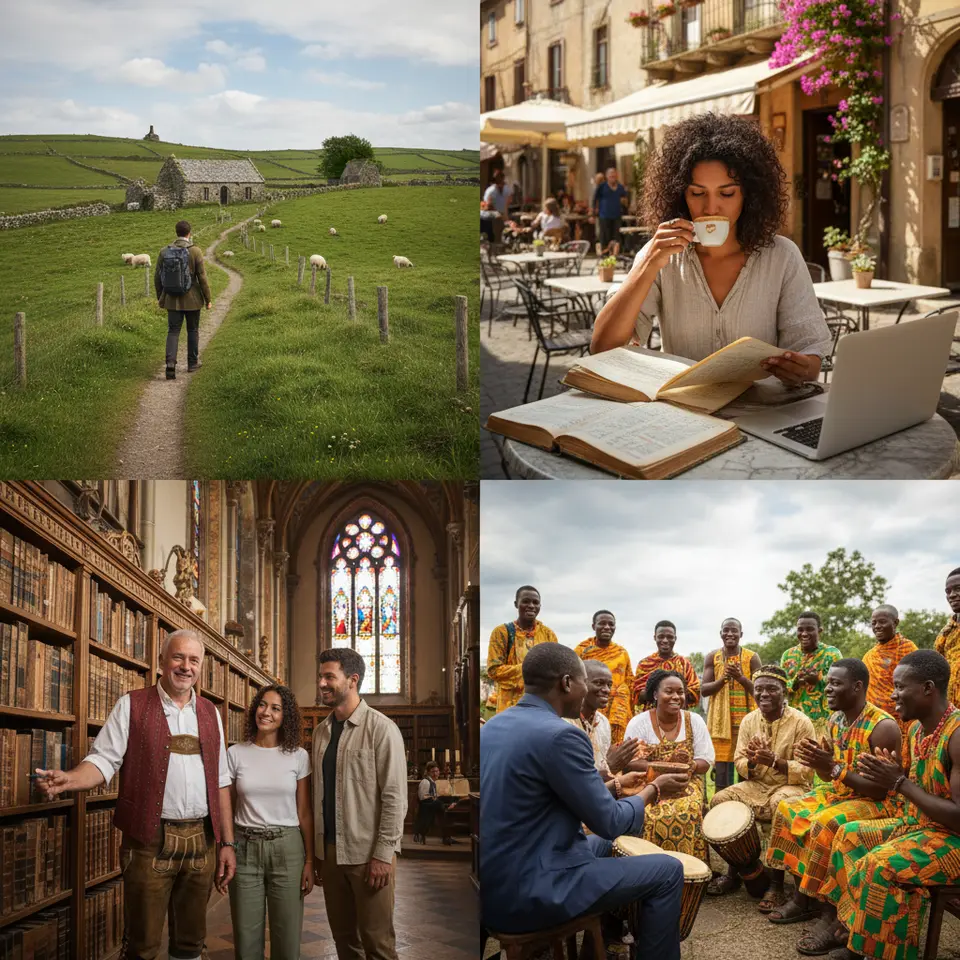
Certain regions around the globe attract travelers eager to uncover their family history. Ireland and Scotland rank high for those with Celtic roots. Quaint villages, parish registers, and clan archives await discovery in county courthouses and local churches. Walking through rolling green hillsides and stopping at ancient cemeteries, visitors can often locate the very homesteads where ancestors lived centuries ago.
Italy offers another treasure trove of genealogical records. In small towns across Tuscany and Southern Italy, civil and church archives maintain detailed birth, marriage, and death registers. Visitors frequently travel to municipal archive offices known as anagrafe or parish offices to request copies of records. The experience of sipping espresso in a family-run café while reviewing historic documents adds a personal touch to the process.
Germany’s meticulous record-keeping makes it a prime destination for ancestry travel. Church books (kirchenbücher) and civil registries in regions such as Bavaria and Saxony contain comprehensive entries dating back to the 1600s. Research centers in Berlin and Munich can assist with document retrieval. Many travelers engage local genealogists who understand the intricate system of German archives, ensuring a more efficient search.
Recent innovations in DNA-based tours have opened new pathways in West Africa. Institutions in Ghana offer specialized ancestry travel programs, guiding African American and Caribbean visitors to tribal communities linked through genetic markers. These tours may include participation in traditional ceremonies, visits to historical sites, and meetings with community leaders who hold cultural knowledge passed down through generations.
Latin American archives in Mexico City, Lima, and Rio de Janeiro preserve colonial-era records that illuminate migration patterns, land grants, and family ties. Parish records housed in centuries-old cathedrals often require on-site visits and formal permission but reward travelers with firsthand insights into ancestral lives. Combining digital research with in-person investigations reveals a more nuanced narrative of colonial history and familial resilience.
For travelers of Asian descent, Japan’s koseki family registries provide invaluable information. District offices maintain these unique record books, which can reveal family lineage dating back several generations. Visiting temples and shrines where ancestral rites are performed can deepen appreciation for cultural traditions carried through centuries.
When selecting destinations for ancestry travel, consider not only documented records but also the potential for cultural immersion. Engage local guides who specialize in family history tours, visit living history museums, and participate in culinary workshops that pay homage to ancestral recipes. By blending research with experiential activities, you enrich your understanding of heritage and create lasting memories tied to your ancestry journey.
Immersive Activities and Ethical Considerations
To fully appreciate your ancestry travel experience, blend archival visits with activities that bring history to life. Village tours guided by local historians can lead you to ancestral homes, communal gathering places, and historic landmarks that seldom appear in travel brochures. Conversation with community elders often uncovers oral histories and living traditions that complement written records.
Cemetery walks offer another powerful way to connect with your past. When visiting family plots, follow local customs such as placing flowers or cleaning gravestones according to regional rites. Always seek permission from property caretakers or local authorities, especially in remote or sacred sites. Document each tombstone with photographs and meticulously record inscriptions to contribute to ongoing preservation efforts for future generations.
Cultural workshops—such as traditional cooking classes, folk art demonstrations, and festival participation—enhance your understanding of daily life in your ancestors’ era. Preparing regional dishes or crafting heritage textiles under the guidance of skilled artisans allows you to engage all your senses. These hands-on experiences foster a profound connection to ancestral practices and underscore the continuity between past and present.
Home-stay arrangements offer an intimate glimpse into family life. Many genealogy tour operators facilitate stays with extended relatives or host families, creating opportunities to swap stories over shared meals. Living with a local household enables you to practice language skills, learn customary greetings, and observe familial customs firsthand. This immersive setting enriches your ancestry travel by highlighting the enduring bonds of kinship.
Ethical considerations are paramount in responsible ancestry travel. Obtain consent before photographing private archives or interviewing individuals. Always respect restrictions on document handling—many institutions require gloves or prohibit flash photography to preserve fragile materials. Support local economies by choosing family-owned accommodations, hiring resident guides, and purchasing crafts directly from artisans.
Documenting and sharing your journey sustains the legacy of your research. Keep a detailed journal of discoveries, archival references, and personal reflections. Tag digital photos by date and location, and back up your files securely. Share your findings with relatives through a password-protected blog or private social media group. After returning home, compile your data into a keepsake photo book or digital scrapbook to inspire future generations.
Frequently Asked Questions
How do I begin planning an ancestry travel trip?
Start by gathering essential family documents—birth certificates, marriage licenses, old photographs—and interviewing older relatives for personal stories. Use online genealogical platforms like FamilySearch to build a digital family tree. From there, identify specific towns, archives, and institutions to visit, and create a flexible itinerary that balances research with cultural experiences.
What documents and tools are essential for effective research?
Carry original records alongside photocopies and digital scans stored in cloud backup. Essential tools include a high-resolution camera or smartphone, portable power bank, and note-taking apps. Learn key genealogical terms in the local language or hire a translator to navigate archives more efficiently.
How can I respect cultural protocols during my trip?
Research local customs, dress codes, and greeting rituals before you go. Obtain permission before photographing private archives or sacred sites, and follow any guidelines for document handling. Support community heritage by choosing local guides, accommodations, and artisans to ensure your visit benefits the people and places you explore.
Conclusion
Ancestry travel transforms the quest for personal identity into a meaningful and unforgettable adventure. By combining diligent research, thoughtful planning, and immersive cultural experiences, you can traverse the landscapes of your family history with confidence and respect. Today, enhanced accessibility to digital archives, expert genealogical services, and local heritage programs makes it easier than ever to trace ancestral paths and uncover hidden chapters of your lineage.
As you embark on this journey in this year (2026), remember that every record, encounter, and ritual adds depth to your understanding of heritage. Preserve the stories you gather, share them responsibly, and honor the communities that help bring your family narrative to life. Whether you are revisiting a familiar hometown or discovering a distant village for the first time, ancestry travel offers a bridge between past and present that can enrich your sense of self and foster connections across generations.
Pack your documents, ready your curiosity, and prepare to experience the world through the lens of your ancestors. With respect for cultural protocols and a spirit of adventure, your genealogy trip will not only chart a path to your roots but also ignite a lifelong passion for exploration and storytelling. Embrace the call of your heritage, and let ancestry travel guide you on a journey of discovery that resonates today and for years to come.
No matter where your roots lead, this journey can serve as a foundation for ongoing family storytelling and research. Your discovery of ancestral stories will inspire relatives, build a sense of shared history, and fuel future explorations of identity.