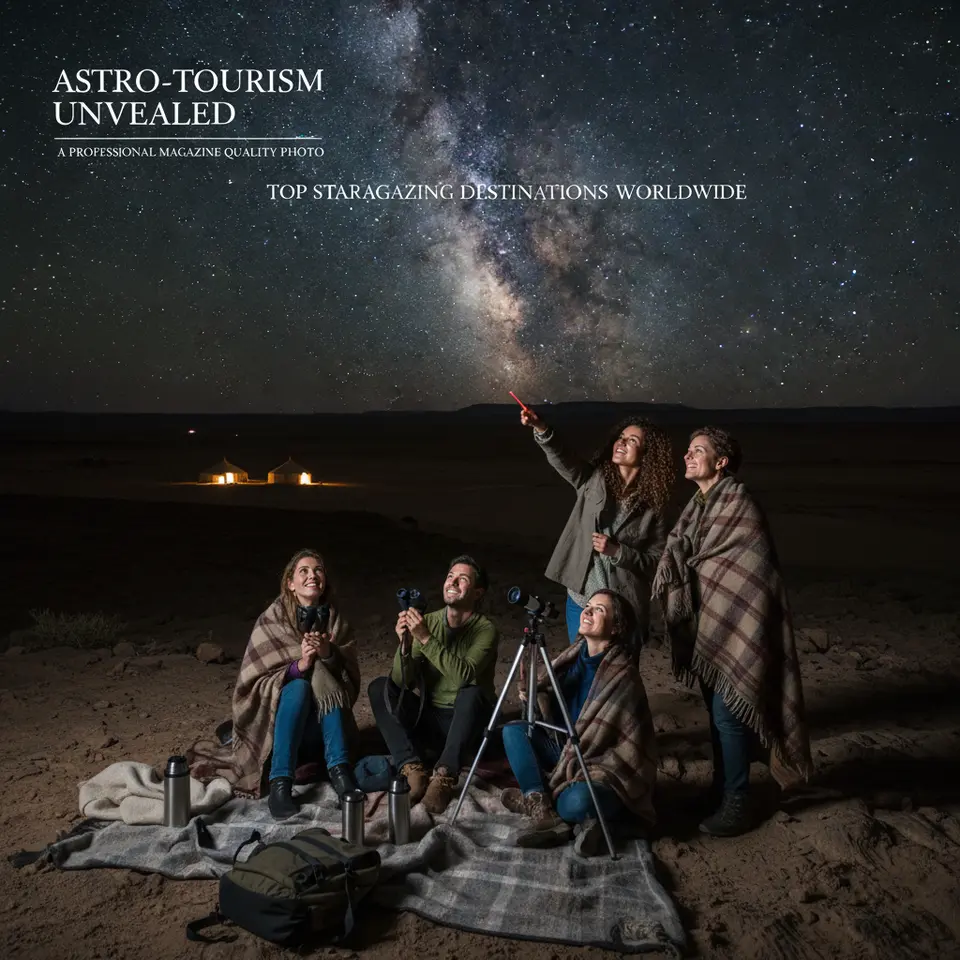
Imagine a journey away from city noises to a remote location where the canopy of stars appears in unrivaled clarity. At the heart of this adventure is astro-tourism, a modern travel trend that blends exploration with celestial discovery. Today, more individuals are drawn to dark-sky preserves and high-altitude plateaus to witness the Milky Way’s luminous swirl, meteor showers, and planetary alignments in their purest form. This emerging niche encourages not only deep sky observation but also engagement with local traditions, astrophotography, and immersive night-sky events. As travelers seek meaningful experiences, astro-tourism delivers both scientific wonder and cultural enrichment against the backdrop of unpolluted night skies.
Currently, awareness about light pollution has sparked initiatives to protect these cosmic windows, led by entities such as the International Dark-Sky Association and space agencies like NASA. In today’s digital landscape, social media visuals of star trails and auroras inspire adventurers to plan star-gazing excursions. This guide, written this year (2026), will navigate you through the essentials: understanding astro-tourism, selecting prime destinations, arranging practical logistics, gathering must-have gear, and choosing the optimal timing for your celestial quest. By the end, you will be equipped to embark confidently on a memorable astro-tourism voyage that illuminates both the night sky and your sense of wonder.
Understanding Astro-Tourism: Definition and Significance
At its core, astro-tourism is a specialized form of travel centered on experiencing the night sky in areas free from artificial light interference. Rather than viewing stars from suburban backyards, astro-tourism enthusiasts seek out destinations recognized for minimal light pollution and exceptional atmospheric clarity. This practice merges scientific curiosity with the spirit of adventure, inviting participants to connect with astronomical phenomena while exploring remote landscapes that reveal the universe in vivid detail.
Over the past decade, astro-tourism has grown into one of the fastest-rising travel niches worldwide. Data from tourism boards and industry surveys indicate that more travelers are dedicating vacation time to celestial pursuits. Scientific institutions and national parks have responded by creating dedicated star-watching programs and dark-sky certifications. Today, this sector supports local economies in rural regions and contributes to conservation efforts by highlighting the value of preserving pristine nightscapes.
Astro-tourism experiences can range from guided stargazing tours led by professional astronomers to hands-on astrophotography workshops, where participants capture deep-sky objects such as nebulae and star clusters. Cultural components often enrich these excursions: indigenous storytellers and local guides share constellations’ mythologies, fostering a deeper appreciation for humanity’s age-old fascination with the heavens. Educational events—sometimes hosted in partnership with leading research centers—offer opportunities to learn about cosmic origins and cutting-edge discoveries.
Organizations like the International Dark-Sky Association, the International Astronomical Union, and national agencies such as NASA are currently championing light-pollution reduction initiatives. By designating dark-sky reserves and promoting responsible lighting practices, these entities ensure that astro-tourism remains sustainable. In today’s digital landscape, this collaborative approach raises public awareness about the impact of artificial illumination on wildlife, ecosystems, and our collective gaze skyward.
As you explore this guide, you will gain practical insights into planning your own celestial journey, selecting top-tier destinations, and respecting local dark-sky policies. Armed with knowledge of optimal travel windows, essential gear, and impactful conservation measures, your astro-tourism adventure will not only reward you with breathtaking vistas but also support ongoing efforts to safeguard our planet’s dark-skies for generations to come.
Top Astro-Tourism Destinations Around the World
Atacama Desert, Chile
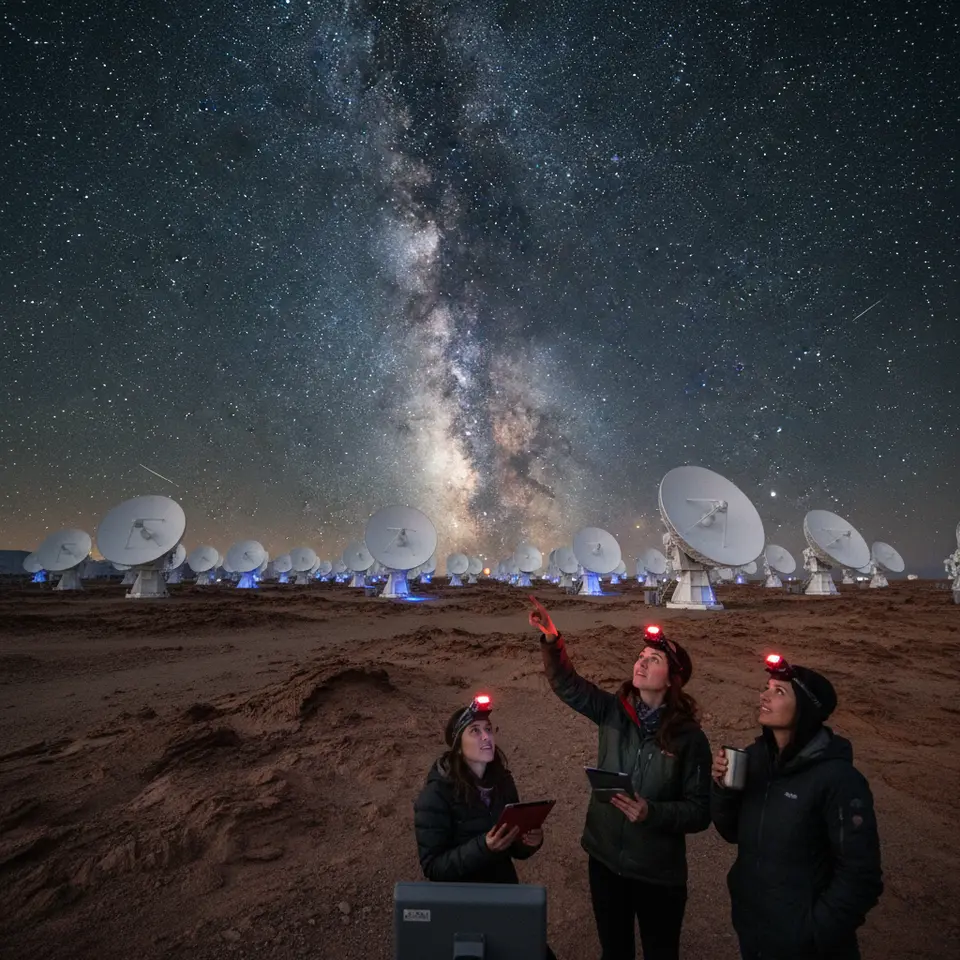
Above 2,400 meters on Chile’s northern plateau, the Atacama Desert delivers almost unrivaled clarity for star-gazing. With less than 1% humidity and near-zero light pollution, this region reveals the Milky Way’s core and faint nebulae. Visitors can also tour the Atacama Large Millimeter Array (ALMA) and spot radio telescopes beneath a pristine sky.
Mauna Kea, Hawaii, USA
Perched at over 4,200 meters on the Big Island, Mauna Kea hosts world-leading research observatories. Stable airflow and low moisture levels create crystal-clear conditions for stargazing. Public night programs allow travelers to view star clusters and planetary surfaces through giant telescopes while enjoying volcanic landscapes washed in starlight.
Aoraki Mackenzie, New Zealand
This South Island reserve was the first to earn International Dark Sky certification. Stretching across high country plains and alpine peaks, it features minimal artificial lighting and sweeping views of the Southern Cross, Eta Carinae, and the Magellanic Clouds. Maori cultural tours and glacier expeditions add daytime variety to every visit.
Namib Desert, Namibia
The wind-sculpted dunes near Sossusvlei offer a stark foreground to the inky night sky over the Namib. Remote lodges provide laser-guided sky tours and telescopic observing alongside desert luxury. Expect jaw-dropping views of the Milky Way’s ribbon and richly textured star fields above twisting sand waves.
La Palma, Canary Islands, Spain
Known as ‘La Isla Bonita’, La Palma’s Roque de los Muchachos Observatory enjoys altitude and maritime stability. Strict lighting laws keep light pollution at bay, producing some of Europe’s darkest skies. Eco-friendly hotels and guided sessions open observatory domes for close-up glimpses of galaxies, star clusters, and nebulae.
Jasper National Park, Canada
As Canada’s inaugural Dark Sky Preserve, Jasper National Park hosts an annual festival celebrating the night sky. Beneath the Rockies, guests can view auroras, meteor showers, and planet alignments. Ranger-led snowshoe hikes and portable telescope workshops offer immersive educational experiences from autumn through spring.
Alqueva Dark Sky Reserve, Portugal
Spanning over 3,000 square kilometers along the Portugal–Spain border, Alqueva protects expansive nightscapes under gentle hilltops. Visitors can sleep beneath transparent domes known as ‘star beds’ for uninterrupted sky views. Local astronomers lead sky tours that showcase lunar features, constellations, and faint galaxy clusters.
Galloway Forest Dark Sky Park, Scotland
Dubbed the ‘Gateway to the Galaxy’, Galloway Forest Park offers dense woodlands that open onto vast clearings, ideal for astro-photography setups. With regular aurora displays in winter and vibrant summer meteor showers, this sanctuary’s eco-cabins feature skylights for starlit reflections directly above your bed.
Pic du Midi, France
Sitting at 2,877 meters in the Pyrenees, Pic du Midi Observatory is accessible via cable car. Evening visits include guided dome tours, telescope observations of Saturn’s rings and lunar craters, and educational multimedia shows. Panoramic mountain vistas by day complement the intense star-gazing at night.
Kiruna, Swedish Lapland
Located above the Arctic Circle, Kiruna offers prime opportunities to chase the northern lights from late August to April. Ice hotels, Sami cultural experiences, and reindeer safaris enrich each night-sky expedition. Tour operators provide thermal suits and expert aurora forecasts for the ultimate polar astro-tourism experience.
Planning Your Astro-Tourism Adventure
Choosing the right destination and scheduling travel windows are critical to a successful astro-tourism trip. Begin by researching regions recognized for their dark skies—look for designations by the International Dark-Sky Association or national park services. Evaluate climate patterns to pick periods with minimal cloud cover: high-altitude deserts often flourish in dry seasons, while polar areas shine during extended winter darkness.
Moon phases play an equally vital role. Aim to travel around the new moon—ideally within three days before or after—to ensure the faintest stars and deep-sky objects are visible without lunar glare. If you plan to catch meteor showers, align your itinerary with peak dates and allocate multiple nights to account for variable weather.
Once you have dates, secure accommodations that support astro-tourism: many resorts and lodges limit outdoor lighting, host sky-watch events, and offer telescope access. Book well in advance, especially if your trip coincides with major events like eclipses or Dark Sky festivals. Investigate local operators who provide guided stargazing tours and specialized workshops to enrich your experience.
Logistics vary greatly between destinations. Desert sites may require 4×4 transfers or guided convoy travel, while mountain observatories often enforce summit pass regulations. Pack clothing layers for dramatic temperature shifts—high elevations and polar latitudes can drop below freezing even in warmer months. Include sufficient food and water supplies for off-grid excursions.
Respect for local dark-sky regulations is essential. Many reserves enforce curfews on headlights, restrict outdoor lighting, and ask visitors to use red-filtered flashlights. Adhering to these guidelines supports conservation, protects wildlife, and maintains optimal conditions for fellow astro-tourism enthusiasts. By practicing responsible travel, you help preserve these celestial havens for future explorers.
Essential Equipment for Your Astro-Tourism Expedition
Equipping yourself with the proper gear transforms casual star-gazing into a rich, immersive astro-tourism experience. From amplifying faint celestial objects to capturing long-exposure photographs, selecting reliable and portable equipment is key. Consider items that balance performance with practical considerations such as weight, power requirements, and durability in extreme conditions.
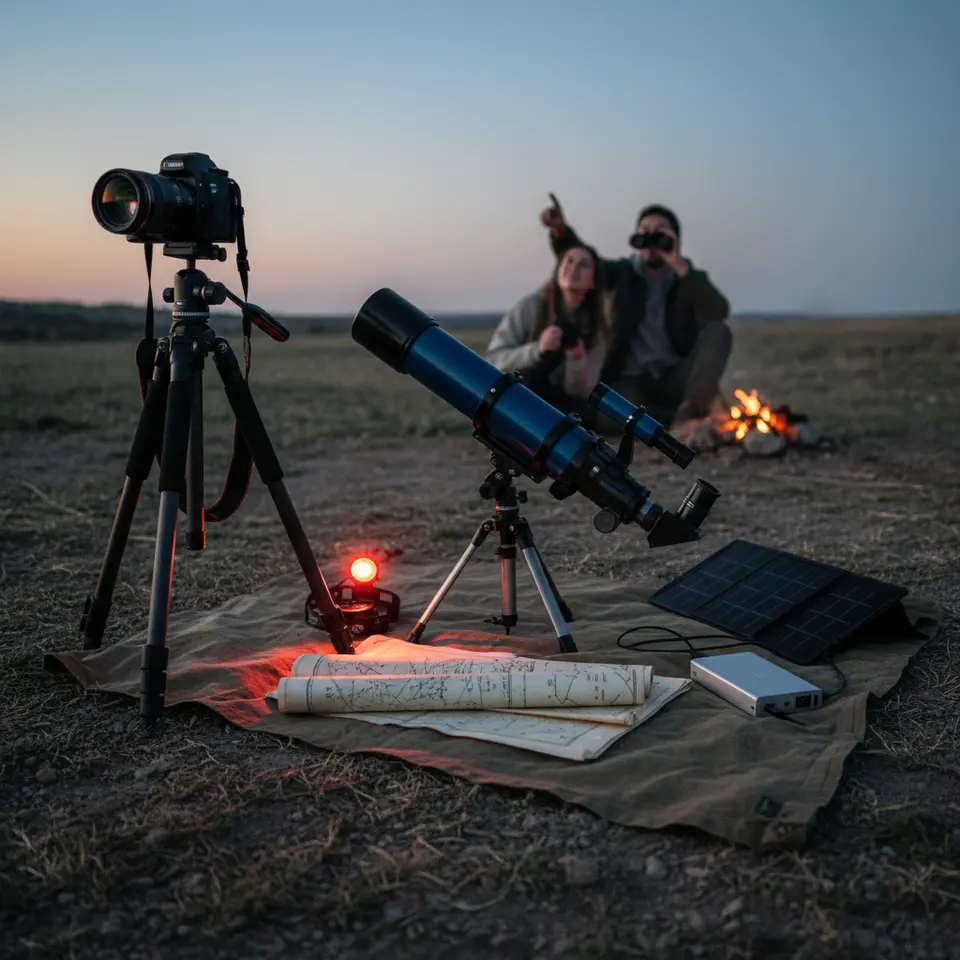
- Telescope or Binoculars: A compact Dobsonian telescope or high-quality binoculars (for example, 10×50 models) provide crisp, up-close views of lunar craters, planet disc surfaces, and bright Messier objects. Computerized mounts can automatically track objects, allowing more time to observe without manual adjustments.
- Camera System: A DSLR or mirrorless camera paired with a fast, wide-angle lens (f/2.8 or faster) is ideal for capturing Milky Way panoramas, meteor streaks, and star trails. A sturdy, adjustable tripod and an intervalometer enable precise long-exposure sequences with minimal vibration.
- Star Charts and Mobile Apps: Offline sky-map applications like Stellarium Mobile or SkySafari assist with real-time object identification. Printed star charts serve as reliable backups in case of device failure or power shortages.
- Lighting Equipment: A headlamp equipped with a red filter preserves night vision while setting up gear. Carry extra batteries or rechargeable power packs to avoid underestimating energy requirements at remote sites.
- Warm Clothing and Camping Gear: Temperatures can plunge dramatically at night, even in deserts. Pack insulated jackets, thermal base layers, gloves, and hats. If camping, choose a tent with a low profile and securely stake-out gear to withstand wind.
- Portable Power Solutions: Solar panels and high-capacity power banks keep cameras, telescopes, and communication devices operational during multi-night excursions. Power stations with multiple outputs offer added flexibility for charging several devices simultaneously.
- Accessories: Extra memory cards, lens-cleaning kits, and spare eyepieces ensure you can adapt to changing conditions. A small tool kit helps with on-the-spot repairs or adjustments.
Optimal Timing and Environmental Considerations
Identifying the ideal window for sky watching involves balancing lunar cycles, seasonal weather patterns, and celestial events. The most pristine dark-sky conditions occur during the new moon phase, typically three days before and after. Scheduling with this in mind minimizes lunar interference and enhances visibility of deep-sky objects.
Annual meteor showers provide natural highlights for astro-tourism. For instance, the Perseid shower peaks in mid-August, offering high rates of visible meteors under summer skies. The Geminids in December deliver vivid displays, though cold weather gear becomes essential. Monitoring forecasts and allocating flexible nights increases the likelihood of clear-sky viewing during these phenomena.
For travelers chasing the aurora borealis, equinox months—particularly September and March—tend to experience elevated geomagnetic activity. High-latitude regions like Iceland, Canada, and Swedish Lapland see more frequent and intense northern lights shows during these transitional seasons. Be prepared for late-night excursions and potentially harsh conditions.
Climate conditions differ significantly across astro-tourism hotspots. Desert destinations may face sudden sandstorms or monsoon surges; always verify local seasonal patterns before finalizing plans. Mountain observatories can receive unexpected snowfall or strong winds at any time of year, so check summit access rules and emergency shelter provisions.
Beyond weather, environmental responsibility remains paramount. Use only red-filtered lights, respect wildlife habitats by maintaining quiet and distance, and follow Leave No Trace principles. In today’s digital landscape, sharing your experiences on social media can raise awareness about dark-sky conservation—just be careful not to disrupt the environment in pursuit of the perfect shot.
By aligning your trip with these considerations, you maximize both comfort and stargazing quality. Whether you choose remote desert plains, alpine summits, or polar nightscapes, careful timing and respect for natural conditions ensure a successful and sustainable astro-tourism experience.
Frequently Asked Questions
What is astro-tourism?
Astro-tourism is a specialized travel niche that focuses on experiencing and observing the night sky in areas free from light pollution. It combines scientific education, cultural storytelling, and immersive experiences under pristine dark skies.
How do moon phases affect stargazing?
Moon phases have a significant impact on visibility. Plan your trip around the new moon—ideally within three days before or after—to reduce lunar glare and enhance the visibility of faint celestial objects like nebulae and star clusters.
What essential gear should I bring?
Pack a compact telescope or quality binoculars, a DSLR or mirrorless camera with a fast wide-angle lens, a sturdy tripod, red-filtered headlamps, star charts or mobile apps, warm clothing, and portable power solutions to ensure a comfortable and productive astro-tourism expedition.
Conclusion
Astro-tourism offers a compelling fusion of scientific inquiry and adventurous exploration, creating lasting memories under some of the world’s darkest skies. From the high deserts of Chile to the Arctic expanses of Swedish Lapland, each destination provides a unique lens through which to witness the cosmos. By embracing thoughtfully planned itineraries, responsible lighting practices, and specialized gear, you transform a simple vacation into an educational voyage that celebrates our shared celestial heritage.
This year (2026), join the growing community of astro-tourism enthusiasts who prioritize environmental stewardship and cultural engagement alongside sky watching. Whether you are capturing long-exposure images of the Milky Way or marveling at a meteor shower, every moment spent under a pristine night sky deepens your connection with the universe. Chart your course, pack equipment wisely, and prepare to embark on an unforgettable journey that will leave you awestruck by the boundless beauty of the night.
As you look ahead to planning your next astro-tourism expedition, remember that conserving these celestial environments ensures future generations can enjoy the same unspoiled views. By supporting dark-sky initiatives, advocating for reduced light pollution, and respecting local guidelines, you play an active role in preserving the natural wonders above. Embark confidently—your cosmic adventure awaits.