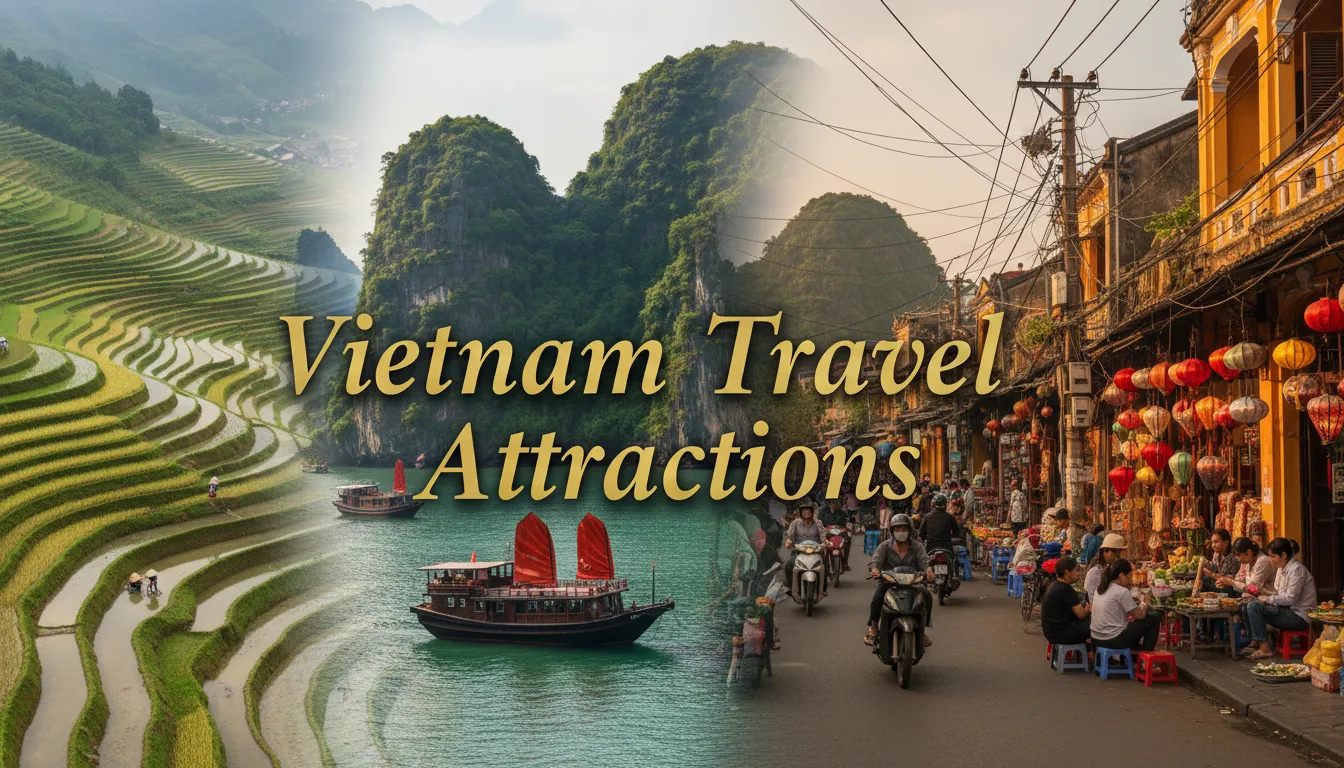
Planning an unforgettable adventure? This comprehensive Vietnam travel guide reveals everything you need to know about breathtaking landscapes, vibrant cities, and rich cultural heritage waiting for you.
Discover the ultimate roadmap to Southeast Asia’s most captivating country. We cover practical tips, budget advice, cultural etiquette, and top destinations from Hanoi to Ho Chi Minh City. Master your itinerary, avoid common tourist traps, and experience authentic local flavors effortlessly.
Why You Need a Comprehensive Strategy for Vietnam
Traveling to Southeast Asia offers unparalleled excitement, but navigating the diverse climates, bustling streets, and rich customs requires preparation. Reading a detailed Vietnam travel guide ensures you maximize your time and budget. From the misty mountains of the north to the sun-drenched beaches of the south, this country spans over 1,000 miles, presenting unique logistical challenges and rewarding experiences.
You will encounter bustling urban centers teeming with motorbikes, serene countryside landscapes dotted with rice paddies, and coastal regions boasting emerald waters. Properly planning your route prevents exhaustion and allows you to absorb the local culture fully. Understanding regional differences, transportation networks, and cultural expectations transforms a stressful trip into a seamless holiday. Whether you want to conquer rugged hiking trails, lounge on pristine beaches, or eat your way through night markets, having a solid plan is your key to success.
Best Time to Visit: A Regional Breakdown
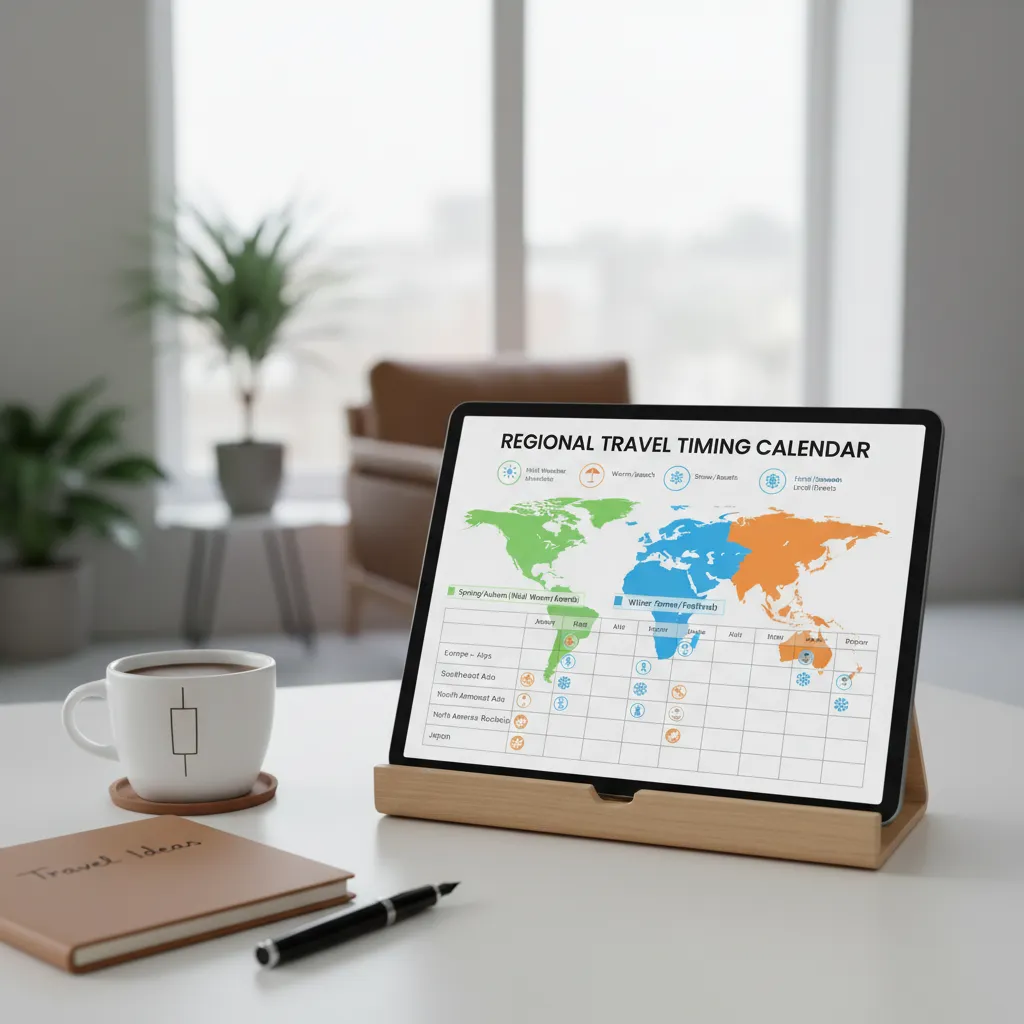
Because the country stretches so far from north to south, there is no single best time to visit. Weather patterns vary drastically depending on your location. A reliable Vietnam travel guide must break down these regional climates so you can pack accordingly.
Northern Vietnam (Hanoi, Sapa, Halong Bay)
The north experiences distinct winter and summer seasons. If you visit between May and October, expect hot, humid weather with heavy rainfall. The winter months, from December to February, get surprisingly cold, especially in mountainous regions like Sapa, where temperatures can drop near freezing. The absolute best time to explore the north is during the spring (March to April) or autumn (September to November) when the skies are clear, and the temperatures remain comfortable.
Central Vietnam (Hue, Hoi An, Da Nang)
Central regions feature a more tropical climate but suffer from a severe typhoon season between September and December. During these months, heavy rains and flooding frequently disrupt travel plans, particularly in the ancient town of Hoi An. To enjoy the stunning beaches of Da Nang and the historical sites of Hue, plan your visit between January and August. The weather stays dry and sunny, perfect for outdoor excursions and coastal relaxation.
Southern Vietnam (Ho Chi Minh City, Mekong Delta)
The south maintains a consistently warm, tropical climate year-round, with temperatures hovering around 85°F to 95°F. The region operates on a simple two-season system: dry and wet. The dry season runs from November to April, offering the most pleasant conditions for exploring the Mekong Delta and the bustling streets of Ho Chi Minh City. The wet season, from May to October, brings daily afternoon downpours. While the rain is heavy, it usually passes quickly, making travel entirely possible if you carry an umbrella.
Before finalizing your dates, always review the specific weather patterns for the regions you plan to visit, and consider checking our comprehensive Vietnam itinerary suggestions to match your travel window.
Top Attractions and Must-See Destinations

No Vietnam travel guide is complete without highlighting the incredible destinations that make this country world-famous. Each city and province offers a distinct flavor, blending ancient history with rapid modern development.
The Chaotic Charm of Hanoi
Hanoi, the capital city, serves as the perfect introduction to the country. The Old Quarter features a labyrinth of narrow streets, each historically dedicated to a specific trade. You will dodge motorbikes, sip strong coffee on tiny plastic stools, and marvel at the French colonial architecture. Do not miss the Temple of Literature, the Ho Chi Minh Mausoleum, and a peaceful stroll around Hoan Kiem Lake at sunrise. For accommodation tips, check our guide on the best places to stay in Hanoi.
Cruising the Emerald Waters of Halong Bay
Designated as a UNESCO World Heritage site, Halong Bay remains one of the most visually stunning locations on earth. Thousands of towering limestone karsts rise dramatically from the emerald-green waters. Booking an overnight junk boat cruise allows you to witness spectacular sunsets, kayak through hidden caves, and wake up to the tranquil beauty of the bay. Ensure you book with a reputable company that practices sustainable tourism to help protect this fragile ecosystem.
The Ancient Lanterns of Hoi An
Hoi An feels like a step back in time. This impeccably preserved ancient trading port features wooden merchant houses, ornate temples, and iconic Japanese covered bridges. The town is famous for its masterful tailors who can whip up custom clothing in a matter of hours. At night, the riverside lights up with thousands of colorful silk lanterns, creating a magical atmosphere. Rent a bicycle to explore the nearby rice paddies and beautiful An Bang beach.
Imperial History in Hue
Located along the banks of the Perfume River, Hue served as the imperial capital under the Nguyen Dynasty. History enthusiasts will love exploring the vast Imperial City, a massive walled complex featuring palaces, shrines, and forbidden quarters. You should also take a dragon boat ride down the river to visit the elaborate royal tombs scattered throughout the surrounding countryside.
The Bustling Energy of Ho Chi Minh City
Formerly known as Saigon, Ho Chi Minh City acts as the financial engine of the country. It is faster, louder, and more modern than Hanoi. Towering skyscrapers sit alongside historic sites like the Notre-Dame Cathedral Basilica and the Central Post Office. The War Remnants Museum provides a sobering, powerful look at the Vietnam War from the local perspective. Just outside the city, the Cu Chi Tunnels offer a fascinating glimpse into the underground networks used by the Viet Cong.
Exploring the Enormous Caves of Phong Nha
For adventure seekers, Phong Nha-Ke Bang National Park is an absolute must. Home to the largest cave in the world, Son Doong, this region features spectacular underground rivers, massive stalactites, and pristine jungle trekking. As noted by National Geographic, the cave systems here are unparalleled in their scale and beauty. Even if you do not have the budget for the main Son Doong expedition, smaller caves like Paradise Cave and Dark Cave offer incredible ziplining and mud-bathing experiences.
Cultural Etiquette: Respecting Local Traditions
Understanding local customs is a cornerstone of any good Vietnam travel guide. The culture here is deeply rooted in respect, family, and Buddhist traditions. Showing awareness of these customs goes a long way in earning the smiles and hospitality of the locals.
First, dress modestly when visiting temples, pagodas, or rural villages. You must cover your shoulders and knees. Keep a lightweight sarong or scarf in your daypack to wrap around yourself if needed. Second, always remove your shoes before entering someone’s home or certain guesthouses.
Public displays of affection are generally frowned upon, especially in more conservative northern areas. Additionally, never touch someone on the head, as it is considered the most sacred part of the body. When pointing, use your whole hand rather than a single index finger. Finally, the concept of “saving face” is crucial; avoid shouting, losing your temper, or causing a scene in public, as this brings immense embarrassment to everyone involved.
Vietnamese Cuisine: What to Eat and Drink
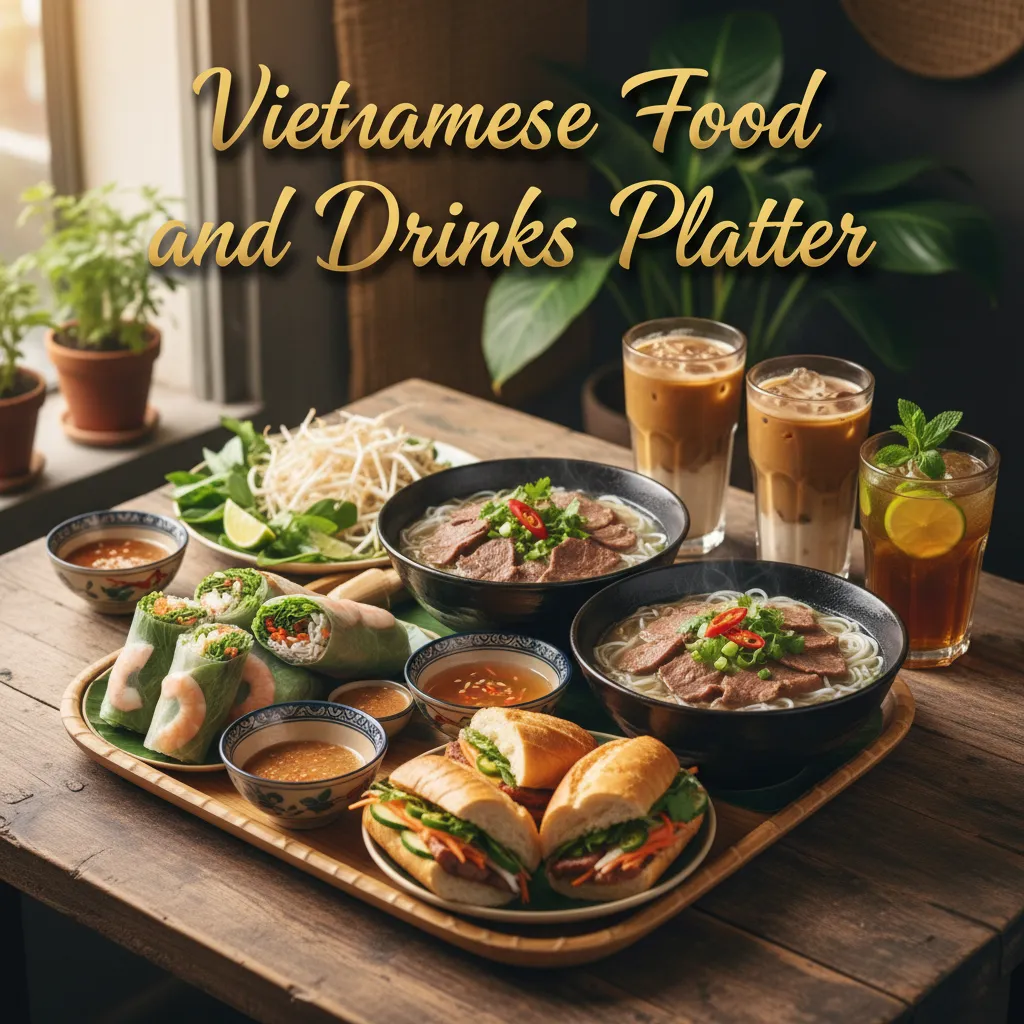
Vietnamese food is legendary for its fresh ingredients, vibrant herbs, and perfect balance of sweet, sour, salty, and spicy flavors.
Iconic Street Food
You will find the best food on the streets, cooked by vendors who have perfected a single dish over decades. Pho, the famous noodle soup, is eaten for breakfast across the country. In the north, it features a clear, simple broth, while the southern version comes loaded with fresh herbs and bean sprouts. Banh Mi, a French-Vietnamese fusion sandwich, packs crispy baguettes with savory pork, pate, pickled vegetables, and fresh cilantro.
Do not miss Bun Cha in Hanoi—grilled pork patties served with cold rice noodles and a sweet dipping sauce. In central regions, try Cao Lau, a unique noodle dish made with water drawn from a specific ancient well in Hoi An.
The Coffee Culture
Coffee is a way of life here. Introduced by the French, locals made it their own by using dark roasted Robusta beans slowly dripped through a metal filter (phin) into a glass containing sweet condensed milk (Ca Phe Sua Da). For something different, try Egg Coffee in Hanoi, where whipped egg yolks and sugar create a creamy, tiramisu-like topping over strong black coffee.
Getting Around: Transportation Tips
Navigating the country is relatively straightforward if you know your options. Domestic flights are cheap and efficient, with airlines like Vietnam Airlines and VietJet Air connecting major hubs like Hanoi, Da Nang, and Ho Chi Minh City. This is the best option if you are short on time.
The Reunification Express train runs the entire length of the country. While slower than flying, it offers a romantic, scenic way to travel, particularly the stunning Hai Van Pass section between Hue and Da Nang. Sleeper buses are another popular, budget-friendly option for long distances, though they can be cramped for taller travelers.
Within cities, ride-hailing apps like Grab are indispensable. They operate exactly like Uber, allowing you to book cars or motorbike taxis with upfront pricing, completely eliminating the need to haggle. Speaking of which, before you arrive, always ensure you understand the current Vietnam visa requirements to avoid any issues at the border.
Travel Budget: How Much Does Vietnam Cost?
One of the main reasons this destination remains a favorite on the Southeast Asia backpacking guide circuit is its incredible affordability. Whether you are traveling on a shoestring or seeking luxury, you get excellent value for your money.
Budget vs. Luxury Travel Comparison
|
Expense Category |
Shoestring Budget (Per Day) |
Mid-Range Budget (Per Day) |
Luxury Budget (Per Day) |
|---|---|---|---|
|
Accommodation |
$5 – $10 (Hostel dorm) |
$30 – $60 (Boutique hotel) |
$150+ (5-star resort) |
|
Food & Drink |
$5 – $10 (Street food) |
$15 – $30 (Local restaurants) |
$50+ (Fine dining) |
|
Transportation |
$2 – $5 (Buses, walking) |
$10 – $20 (Grab, domestic flights) |
$50+ (Private drivers) |
|
Activities |
$5 – $10 (Free walking tours) |
$20 – $50 (Group day tours) |
$100+ (Private guides, cruises) |
|
Total Estimated |
$17 – $35 |
$75 – $160 |
$350+ |
Note: Prices are estimates in USD and vary based on the season and exchange rates.
Pro Tips and Expert Insights for First-Timers

To truly elevate your experience, follow these expert insights. First, embrace the chaos of crossing the street. The traffic never stops, so you must walk slowly, steadily, and predictably. The motorbikes will flow around you like a river around a rock. Never run or step backward.
Second, carry cash. While large hotels and modern restaurants accept credit cards, street food vendors, local markets, and rural guesthouses operate strictly on cash (Vietnamese Dong). Withdraw maximum amounts at ATMs to minimize international transaction fees.
Third, buy a local SIM card at the airport. Data is incredibly cheap, and having Google Maps, translation apps, and Grab at your fingertips will drastically reduce travel stress. Viettel and Vinaphone offer the best coverage, even in remote mountain areas.
Common Mistakes to Avoid
Even with a comprehensive Vietnam travel guide, tourists frequently make preventable errors.
- Drinking Tap Water: The tap water is not safe for consumption. According to the World Health Organization, consuming untreated water in developing nations can lead to severe illness. Always drink bottled or filtered water, and avoid ice in rural areas.
- Underestimating Travel Times: Looking at a map, destinations might seem close. However, winding mountain roads and heavy traffic mean a 100-mile journey can take five hours by bus. Always pad your travel itinerary.
- Failing to Haggle: In markets, the initial price quoted to tourists is often double or triple the actual value. Smile, be polite, and negotiate. If the price remains too high, simply walk away—they will usually call you back with a better offer.
- Skipping Travel Insurance: Motorbike accidents, food poisoning, and trip cancellations happen. Never travel to Southeast Asia without comprehensive medical and travel insurance.
Conclusion
Exploring this dynamic country is a sensory overload in the best way possible. By following this Vietnam travel guide, you equip yourself with the knowledge to navigate bustling cities, savor world-class street food, and respect local customs. Start planning your itinerary today, secure your visa, and pack your bags for the adventure of a lifetime. Ready to explore? Book your flights and dive into the magic of Southeast Asia!
FAQs
1. Do I need a visa to visit the country?
Yes, most nationalities require a visa. You can easily apply for an e-Visa online before your trip, which grants a single or multiple-entry stay for up to 90 days. Always apply at least a week in advance through the official government portal to avoid scams.
2. Is it safe to travel alone?
Absolutely. The country is considered one of the safest destinations in Southeast Asia for solo travelers, including women. Violent crime against tourists is extremely rare. However, you should remain vigilant against petty theft, like bag snatching in crowded tourist areas.
3. What is the currency, and can I use US dollars?
The official currency is the Vietnamese Dong (VND). While some large hotels and tour operators might accept US dollars, you must use VND for everyday purchases like street food, taxis, and market shopping. Always carry small denominations for convenience.
4. Do people speak English?
In major cities like Hanoi and Ho Chi Minh City, and in popular tourist hubs like Hoi An, English is widely spoken in the hospitality and service industries. In rural areas, English is rare, so downloading a translation app is highly recommended.
5. How many days do I need for a trip?
To see the highlights of the north, central, and south regions without feeling rushed, you need a minimum of two to three weeks. If you only have one week, it is best to focus on just one region, such as the north (Hanoi, Halong Bay, Sapa).
6. Is it safe to rent and ride a motorbike?
Riding a motorbike offers incredible freedom, but traffic is chaotic, and road rules are viewed as suggestions. Only rent a motorbike if you are an experienced rider and have a valid international driving permit. Otherwise, stick to booking rides through apps like Grab.
7. Can I use my credit card everywhere?
No. While mid-range and luxury hotels, large supermarkets, and modern restaurants accept Visa and Mastercard, the country largely operates on a cash economy. You will need cash for street food, local markets, and small rural homestays.
8. What should I pack for my trip?
Pack lightweight, breathable clothing for the heat, but bring a warm jacket and long pants if you plan to visit the northern mountains in winter. Modest clothing is required for temples. Do not forget comfortable walking shoes, strong mosquito repellent, and reef-safe sunscreen.
9. Are there any specific health risks I should know about?
Mosquito-borne illnesses like Dengue fever occur, especially during the rainy season, so repellent is essential. Food hygiene is generally good, but stick to busy street food stalls with high turnover. Never drink the tap water.
10. What is the tipping culture like?
Tipping is not traditionally expected or required. However, leaving small change at a local restaurant or giving a small tip to tour guides, drivers, and hotel staff is highly appreciated, as average wages in the service and tourism industry are quite low.